
Croconaw
Best Graded Croconaw Cards: Collector & Investor Guide
By Kyle Eggleston · Published May 13, 2026
Croconaw sits in a sweet spot for Johto collectors: it is a recognizable middle evolution from the beloved Totodile line, but its cards are far less saturated than the big-ticket Feraligatr chase cards. That makes Croconaw a fun target for focused set builders, Neo-era fans, and collectors who enjoy character-driven Pokémon with strong nostalgic appeal. For graded collectors, Croconaw’s best cards span early Japanese and English Neo releases, e-Reader era printings, and a handful of later modern appearances. Slabs from PSA, BGS, and CGC matter because condition sensitivity, low pop examples, and clear market comps can make even non-holo evolution cards surprisingly difficult to replace in top grades.
Why Croconaw Cards Are Worth Collecting
Croconaw cards appeal to a very specific kind of Pokémon collector: fans of Johto, evolution-line builders, and people who appreciate under-the-radar vintage cards that still carry real nostalgia. While Croconaw rarely headlines a set, its artwork across the Neo and e-Reader eras is consistently strong, and that makes high-grade copies more desirable than many casual collectors expect.
Another reason Croconaw is worth collecting is scarcity in true gem-mint condition. Many of its best cards come from eras known for edge wear, print lines, or centering issues, so grading becomes a meaningful separator. For collectors building a Totodile-Bayleef-Meganium style Johto binder in slabs, Croconaw is a smart niche pickup.
What Makes a Graded Croconaw Card Valuable?
- Grade (PSA 10 commands highest premiums)
- Set and era (Neo Genesis/Discovery/Revelation/Destiny vs modern sets)
- Rarity and print run
- Population report scarcity
- Recent sold comps on eBay
- Japanese vs English versions
- PSA 10 vs raw comparison
The Best Graded Croconaw Cards to Collect
1. Croconaw. Neo Genesis 32/111
The English Neo Genesis Croconaw is the foundational card for most Croconaw collectors. As one of the earliest English appearances of the Pokémon, it carries strong Johto nostalgia and is essential for anyone building a graded Totodile evolution run from the first Neo set.
In PSA 10, this card can be tougher than it looks because Neo Genesis commons and uncommons often show silvering, edge wear, and centering issues. English copies usually get more attention from broad collectors, while Japanese Neo Genesis copies can offer a cleaner alternative depending on condition and budget.
2. Croconaw. Neo Genesis 159
The Japanese Neo Genesis Croconaw is a key companion to the English release and a favorite among collectors who prefer the original Japanese print quality and early Johto-era presentation. It is one of the most important Croconaw cards simply because it comes from the debut generation of Johto TCG expansions.
Japanese vintage cards can sometimes present better surface and edge quality than English counterparts, but high-grade examples still matter because many surviving copies were binder-played. For collectors building bilingual or region-specific Croconaw runs, this is a must-have slab.
3. Dark Croconaw. Neo Destiny 33/105
Dark Croconaw from Neo Destiny gives the character a more memorable, story-driven twist and stands out immediately in a Croconaw master set. Team Rocket-associated Pokémon remain highly collectible, and the Dark naming convention makes this one more distinctive than standard evolution cards.
Because Neo Destiny has a stronger collector following than many people realize, top-grade examples can attract more crossover interest from vintage enthusiasts outside pure Croconaw collectors. English copies generally have the broader market, while Japanese versions can be attractive for lower-pop style collecting.
4. Dark Croconaw. Neo Destiny 179
The Japanese Neo Destiny Dark Croconaw is a great card for collectors who want the same character appeal as the English release but in original Japanese form. Japanese Neo Destiny cards are especially appealing when paired with the English counterpart in a side-by-side graded display.
Condition still matters, but Japanese copies often appeal to collectors chasing cleaner vintage aesthetics. If you collect Pokémon with darker, more thematic artwork from late Neo sets, this is one of the strongest Croconaw slabs to target.
5. Croconaw. Aquapolis 74/147
Aquapolis Croconaw is one of the most attractive and collectible non-holo Croconaw cards thanks to the e-Reader era’s distinct layout and the set’s strong long-term following. Aquapolis cards have become increasingly respected as collector pieces, especially in PSA 10 where print quality and edge wear can be challenging.
This card fits perfectly for collectors who want a Croconaw card from a premium era without needing a holo chase slot. English Aquapolis usually commands more attention from set collectors, and gem-mint examples are worth tracking closely through sold listings.
6. Croconaw. Split Earth 025/088
The Japanese Split Earth Croconaw is effectively the Japanese counterpart to Aquapolis and a standout e-Series era card for species collectors. Split Earth has a loyal following among Japanese-exclusive set builders, and Croconaw benefits from that broader interest.
Collectors often like this card for its cleaner Japanese print style and its place within the e-Reader era, which remains one of the most design-forward periods in the hobby. If you enjoy pairing English and Japanese equivalents, this is one of the best Croconaw slabs to own alongside Aquapolis 74/147.
7. Croconaw. HeartGold & SoulSilver 69/123
HeartGold & SoulSilver Croconaw brought the Johto starter lines back into the spotlight for a new generation of collectors. It is not as old as the Neo cards, but it has strong nostalgia because the HGSS era itself has become increasingly collectible, especially for original Gold and Silver fans.
For grading, HGSS cards can look easy at first glance, but print flaws and whitening still matter. This is a strong option for collectors who want a more affordable slab from a beloved era without stepping fully into early vintage pricing.
8. Croconaw. Reviving Legends 022/080
The Japanese Reviving Legends Croconaw is the HGSS-era Japanese version and a smart pickup for collectors who prefer original-language Johto cards. Reviving Legends has good thematic appeal, and Croconaw fits naturally into that era’s renewed focus on classic Pokémon.
Japanese HGSS-era cards can sometimes offer better value relative to grade, especially if you are buying for collection quality rather than only for resale. It is an excellent choice for a PSA 10 Croconaw lineup that spans both vintage and semi-vintage periods.
9. Croconaw. Triumphant 29/102
Triumphant Croconaw gives collectors another English Johto-era callback from the HGSS block, and it works well for people assembling full evolution chains from that period. While not a marquee chase card in the set, it benefits from the growing appreciation collectors have for HGSS-era Pokémon cards overall.
PSA 10 copies can be appealing because lower-profile evolution cards are often overlooked in raw form, making top-grade slabs feel scarcer in the market than star Pokémon from the same release. For budget-conscious buyers, this can be a solid long-term niche hold.
10. Croconaw. Lost Thunder 40/214
Lost Thunder Croconaw is the most modern card on this list and gives collectors an accessible entry point into graded Croconaw collecting. It lacks the deep vintage prestige of Neo or e-Reader cards, but it benefits from modern set availability and from Lost Thunder’s large, Johto-friendly card pool.
Modern PSA 10 examples are often easier to source than older cards, which makes this a practical starting slab for new collectors. It is also useful as a comparison point when looking at how modern Croconaw demand stacks up against vintage and HGSS-era copies.
Vintage vs Modern Croconaw Cards
Vintage Croconaw cards from Neo and the e-Reader era generally offer the strongest collector credibility, especially when graded in PSA 10 due to age-related condition difficulty and lower surviving gem-mint supply. Modern cards like Lost Thunder are easier to acquire and can be great budget entries, but for long-term scarcity and hobby prestige, vintage English and Japanese Croconaw slabs usually stand out as the better investment-style pieces.
How to Track Croconaw Card Prices
Use eBay sold listings, PriceCharting, and PSA pop reports to gauge value. Slabfolio lets you look up graded card prices, upload your slab, and track your portfolio in one place.
FAQ
What is the rarest Croconaw card?
Among broadly recognized releases, top-grade copies of vintage Japanese and e-Reader-era Croconaw cards can be the hardest to find consistently. In practice, rarity often comes down less to raw availability and more to how few true gem-mint graded examples reach the market.
Is PSA 10 Croconaw worth buying?
Yes, if you collect Johto Pokémon or prefer niche species with lower mainstream competition. PSA 10 Croconaw cards can be compelling because condition scarcity often matters more than star power in these underappreciated character runs.
How do I find Croconaw card prices?
Check eBay sold listings first, then compare against PriceCharting and PSA population data to understand scarcity and market depth. Slabfolio is useful for keeping your own graded Croconaw purchases organized and monitored over time.
Prices as of Oct 21, 2026
- 1
Croconaw PSA 10
Neo Genesis · 2000 · 32/111
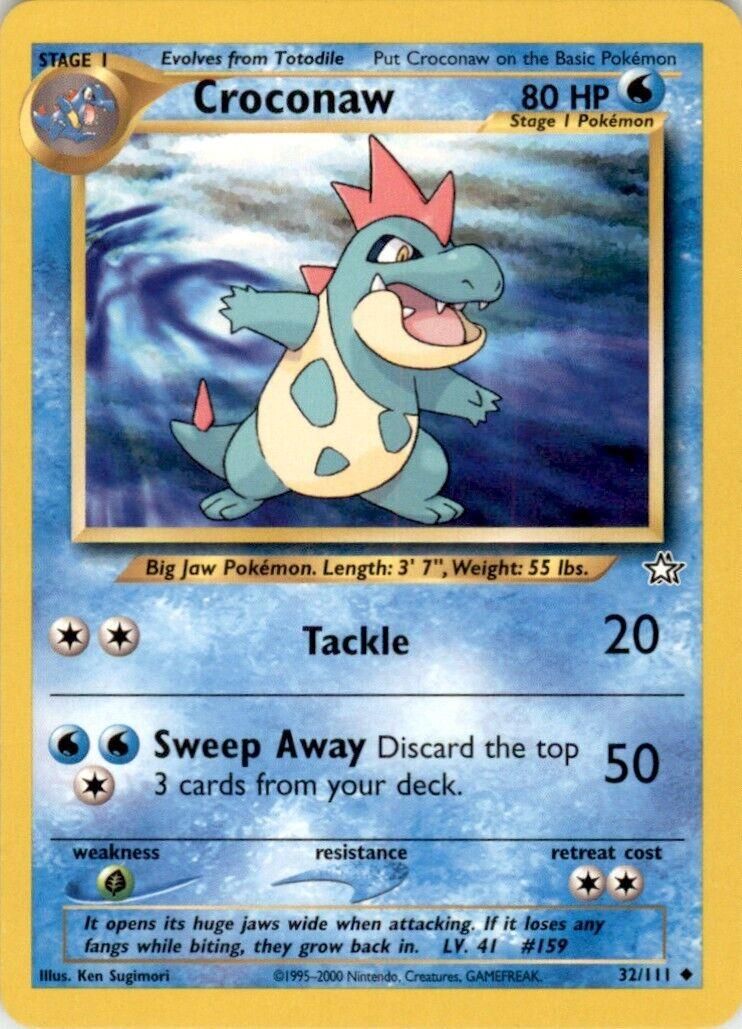
Croconaw's first English-language TCG appearance came in Neo Genesis, the set that introduced Johto to the Pokémon TCG. It remains the default starting point for serious Croconaw species collectors.
Prioritize centering and edge cleanliness, as Neo Genesis cards often show whitening even in otherwise sharp copies.
Estimated value: $2.18
- 2
Croconaw PSA 10
Neo Genesis · 1999 · 159
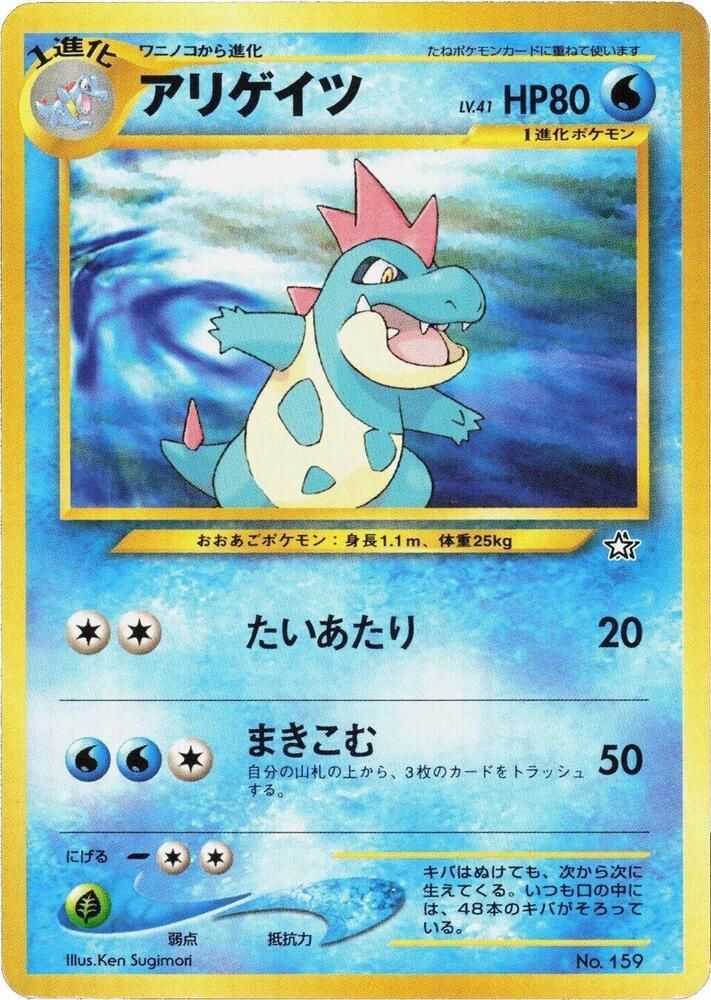
This Japanese Neo Genesis Croconaw is part of the original Gold, Silver, to a New World... expansion. It is a cornerstone card for collectors who prefer first-era Johto cards in their original language.
A Japanese PSA 10 pairs especially well with the English Neo Genesis copy for a two-card display.
Estimated value: $2.95
- 3
Dark Croconaw PSA 10
Neo Destiny · 2002 · 33/105
Dark Croconaw is one of the most characterful Croconaw cards ever printed in English, thanks to the Team Rocket-themed Dark evolution line in Neo Destiny. It adds narrative appeal beyond standard species collecting.
Look for strong corners and minimal surface wear, since late Neo cards can be deceptively tough in gem mint.
Estimated value: $5.99
- 4
Dark Croconaw PSA 10
Neo Destiny · 2001 · 179
The Japanese Dark Croconaw comes from Crossing the Ruins..., the source set for Neo Destiny cards in Japan. It is a favorite for collectors building Japanese Dark Pokémon subsets.
Buyers who collect Rocket-themed or Dark Pokémon slabs should keep this one on their watchlist.
Estimated value: $5.99
- 5
Croconaw PSA 10
Aquapolis · 2003 · 74/147
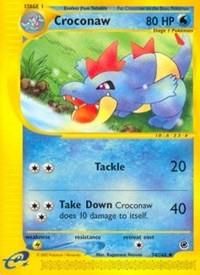
Aquapolis placed Croconaw into the e-Reader era, giving it one of its most collectible set placements. The set has become increasingly respected for its premium feel and long-term collector demand.
Check for print lines and back-edge wear, which can keep attractive raw copies out of PSA 10 holders.
Estimated value: $9.69
- 6
Croconaw PSA 10
Split Earth · 2002 · 025/088
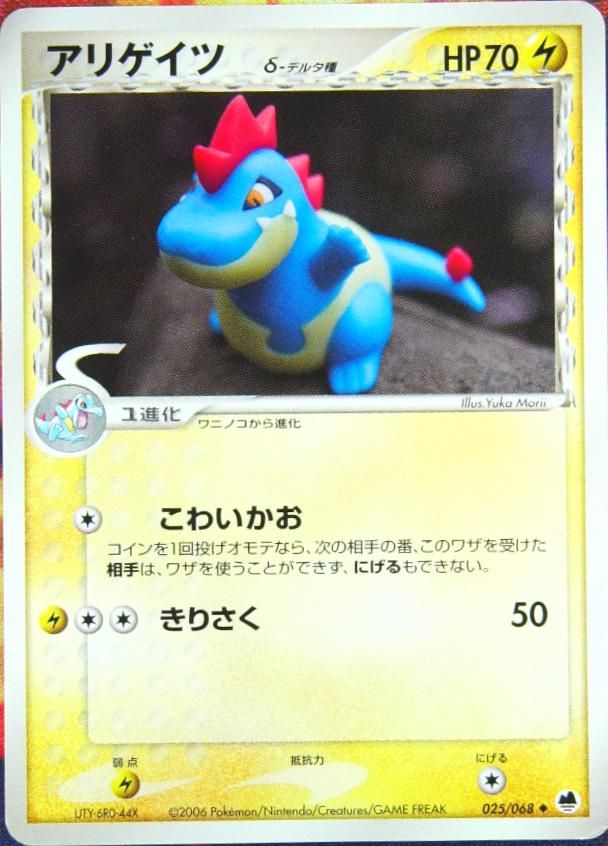
Split Earth is the Japanese e-Reader set associated with Aquapolis, making this Croconaw a strong companion piece to the English release. Japanese e-Series collectors often target these cards for their design and lower mainstream visibility.
This is a strong pickup for collectors building parallel English-Japanese Croconaw runs.
Estimated value: $5.99
- 7
Croconaw PSA 10
HeartGold & SoulSilver · 2010 · 69/123
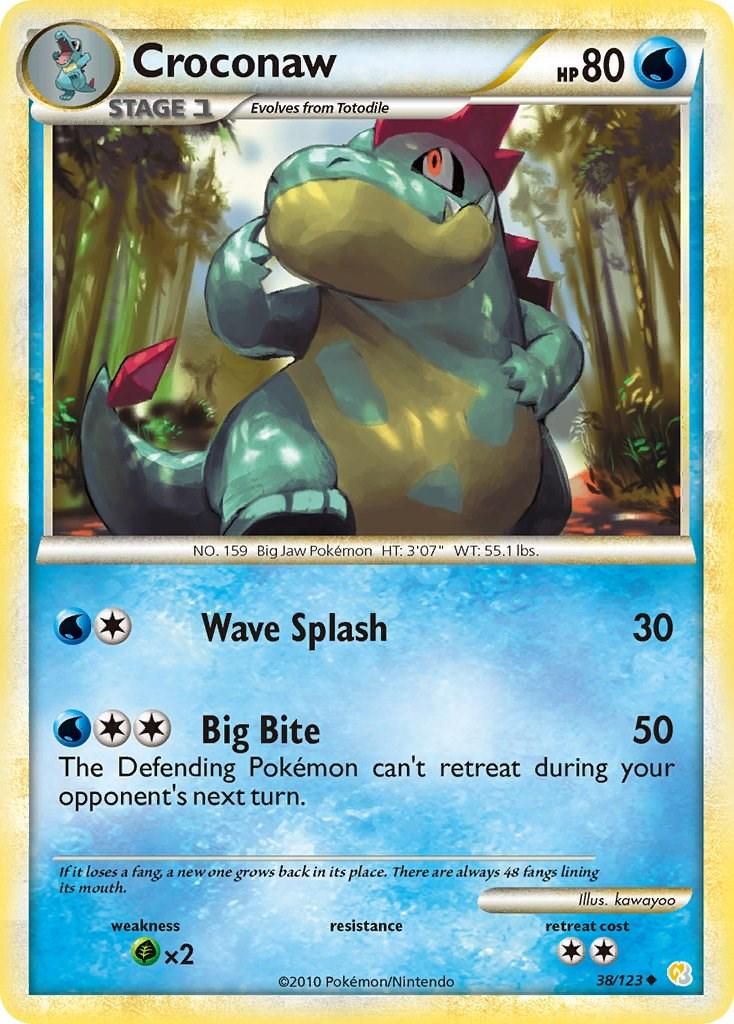
This HeartGold & SoulSilver Croconaw helped reintroduce Johto starter lines to a newer generation of players and collectors. HGSS-era cards now carry meaningful nostalgia of their own.
Do not assume modern-era print quality guarantees PSA 10; whitening and centering still separate the best copies.
Estimated value: $1.59
- 8
Croconaw PSA 10
Reviving Legends · 2010 · 022/080
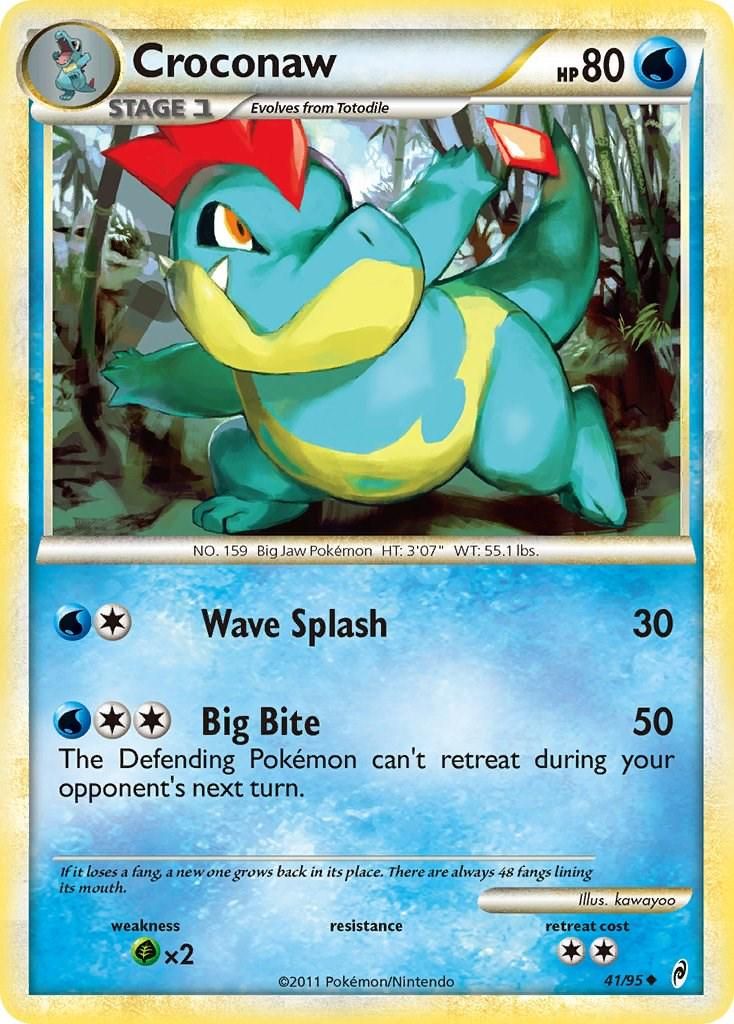
Reviving Legends is the Japanese HGSS-era set that includes this Croconaw, giving Johto collectors a native-language counterpart to the English HGSS release. It is a smart middle-ground slab between vintage and modern.
Japanese HGSS cards can be excellent value if you want strong eye appeal without chasing the oldest Croconaw releases.
Estimated value: $1.36
- 9
Croconaw PSA 10
Triumphant · 2010 · 29/102
Triumphant gave Croconaw another English HGSS-block appearance and remains a useful card for evolution-line and era-specific collectors. It benefits from the rising appreciation of the HGSS block as a whole.
This is often a lower-cost PSA 10 target compared with Neo or e-Reader Croconaw cards.
- 10
Croconaw PSA 10
Lost Thunder · 2018 · 40/214
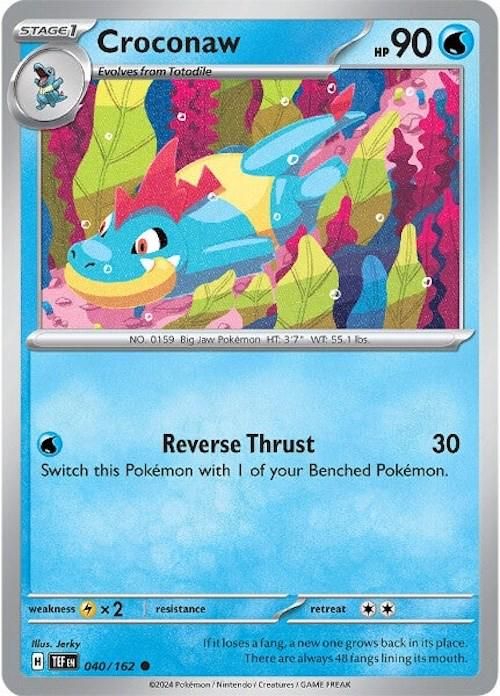
Lost Thunder is the most modern mainstream Croconaw option on this list, offering an accessible graded entry point for newer collectors. Its large set size and broad availability make it a practical slab for completing a ten-card Croconaw showcase.
Use this as a lower-risk starting point before moving into pricier Neo and e-Reader Croconaw slabs.
Estimated value: $0.4
Frequently asked questions
What is the rarest Croconaw card?
Among broadly recognized releases, top-grade copies of vintage Japanese and e-Reader-era Croconaw cards can be the hardest to find consistently. In practice, rarity often comes down less to raw availability and more to how few true gem-mint graded examples reach the market.
Is PSA 10 Croconaw worth buying?
Yes, if you collect Johto Pokémon or prefer niche species with lower mainstream competition. PSA 10 Croconaw cards can be compelling because condition scarcity often matters more than star power in these underappreciated character runs.
How do I find Croconaw card prices?
Check eBay sold listings first, then compare against PriceCharting and PSA population data to understand scarcity and market depth. Slabfolio is useful for keeping your own graded Croconaw purchases organized and monitored over time.
Whether you're building your first graded Croconaw collection or managing a larger Pokémon card portfolio, tracking real market movement matters. Slabfolio helps collectors organize slabs, monitor values, and follow graded card price changes over time.
Related guides
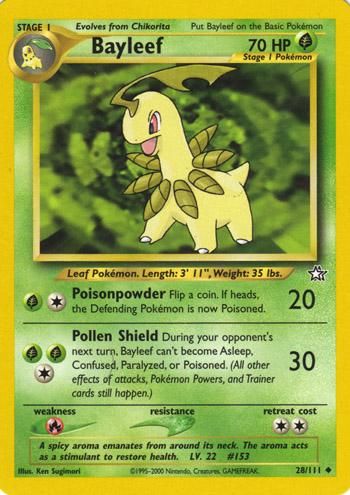
Best Graded Bayleef Cards: Collector & Investor Guide
Bayleef is one of the most nostalgic Stage 1 Johto Pokémon in the hobby, bridging the gap between beloved starter Chikorita and the more battle-focused Meganium.
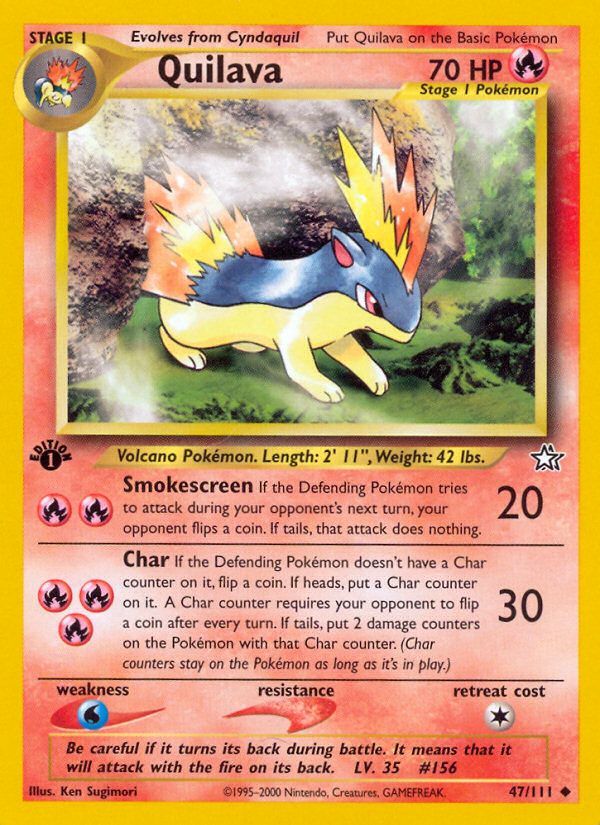
Best Graded Quilava Cards: Collector & Investor Guide
Quilava sits in a sweet spot for Johto collectors: it is a true middle-evolution favorite from the original Gold and Silver era, but it also appears far less often than headline Pokémon like Typhlosion or Cyndaquil.
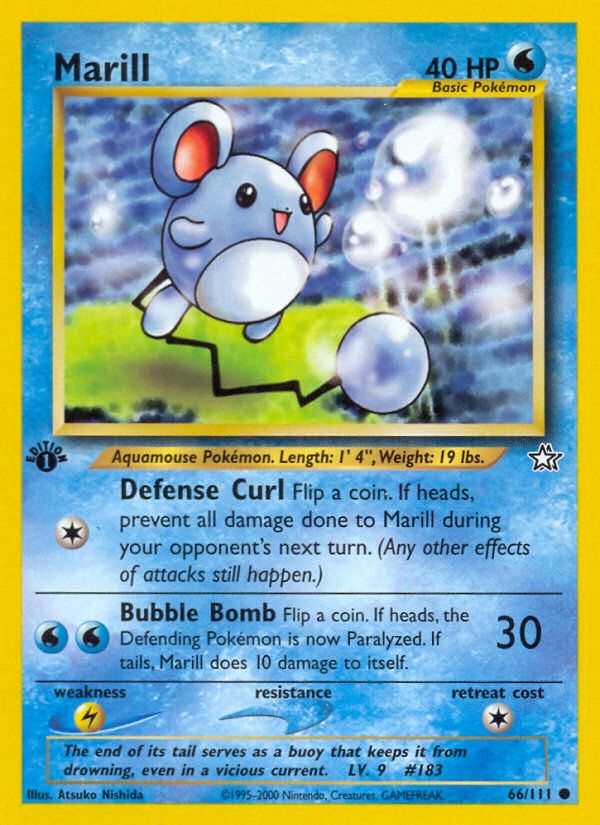
Best Graded Marill Cards: Collector & Investor Guide
Marill has been a favorite with collectors since the early Johto era, when its anime debut and distinctive round design made it one of the most memorable Pokémon of its generation.
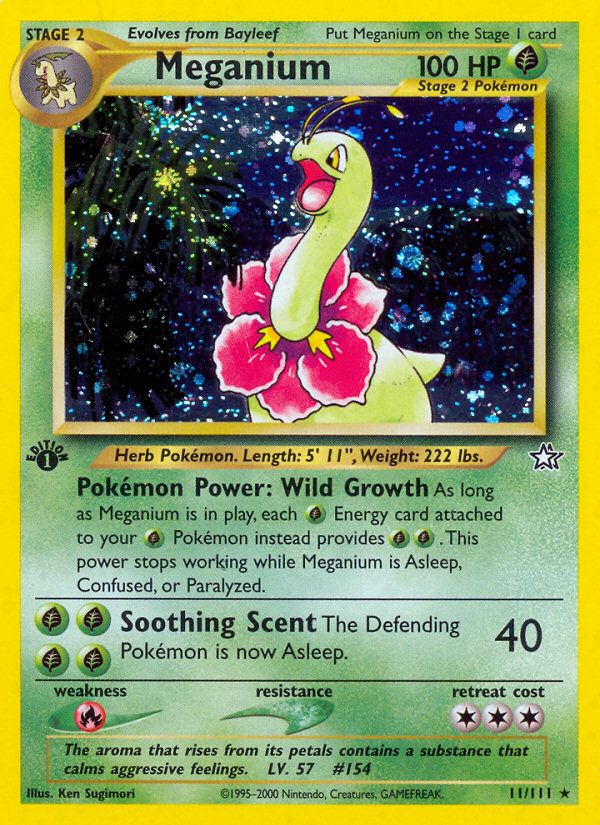
Best Graded Meganium Cards: Collector & Investor Guide
Meganium holds a special place with Johto collectors because it represents the final evolution of Chikorita, one of the original second-generation starters.
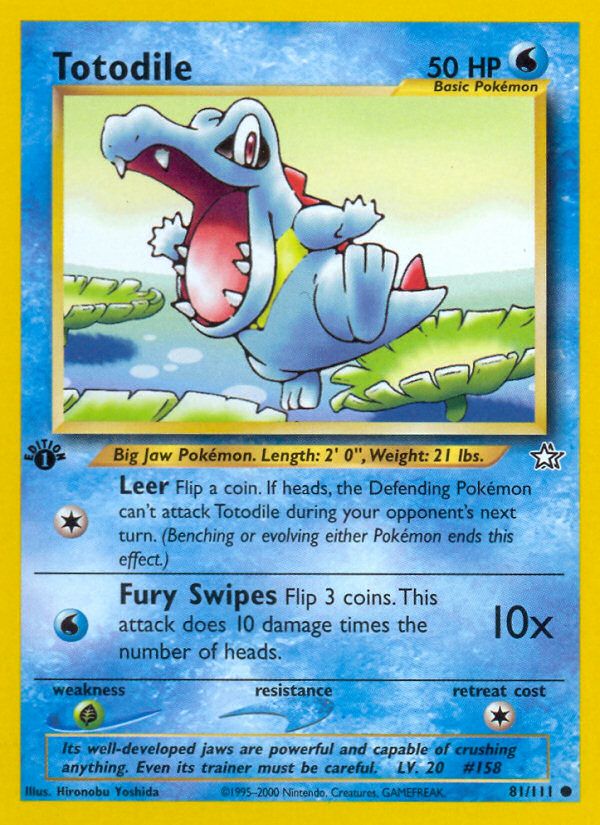
Best Graded Totodile Cards: Collector & Investor Guide
Totodile has always been one of the most beloved Johto starters, and that makes its cards especially appealing to collectors who grew up with the second generation of Pokémon.
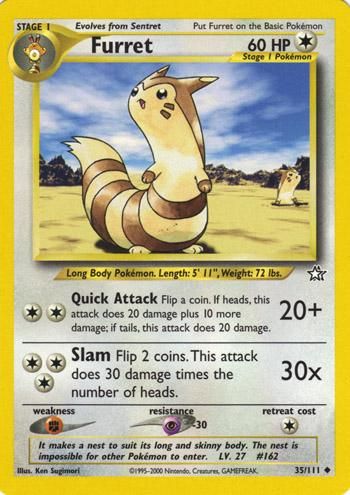
Best Graded Furret Cards: Collector & Investor Guide
Furret has never been the flashiest Johto Pokémon, but that is exactly why it has such strong collector appeal.