
Grading
PSA Pauses Value Submissions Again: What It Means for Pokémon Card Collectors and Investors
By Kyle Eggleston · Published May 13, 2026
If PSA is telling customers they are approaching a 10 million card backlog, that's one of the strongest signals we've seen that demand for grading remains extremely high despite economic uncertainty, rising card populations, and years of expansion.
PSA announced that beginning June 2, 2026, it will temporarily pause several of its most affordable grading tiers, including Value Bulk, Value, Value Plus, and Value Max. According to PSA, the company is approaching a backlog of nearly 10 million cards and is reallocating resources to process cards already in its possession.
While existing submissions will continue to move through the system, new collectors hoping to submit cards at lower-cost grading levels will be forced to wait until PSA reopens those tiers.
At first glance, this may seem like an operational update. In reality, it could have significant implications for the Pokémon card market, graded card prices, and collector behavior throughout the remainder of 2026.
What Exactly Is PSA Changing?
Beginning June 2, the following tiers are paused:
- Value Bulk submissions will be paused
- Value submissions will be paused
- Value Plus submissions will be paused
- Value Max submissions will be paused
The only tiers remaining open will be:
- Regular
- Express
- Super Express
- Walk-Through
PSA says the pause is temporary and tied to reducing its backlog from approximately 10 million cards toward a target of 5 million cards.
The key takeaway is simple: affordable grading is becoming temporarily unavailable. That matters because most Pokémon cards are submitted through these lower-cost tiers.
Why This Matters To Pokémon Collectors
For many collectors, grading only makes sense when costs remain low.
A modern Pokémon card worth $50. $200 often works financially when grading costs are around $15. $25 per card.
Once collectors are forced into higher tiers costing significantly more, the math changes dramatically.
Many collectors will simply decide:
- Not to grade
- To wait
- To submit to another grading company
That shift alone could impact card supply over the next several months.
Potential Impact #1: Fewer New PSA Slabs Entering The Market
The biggest consequence may be reduced supply.
Every month, thousands of PSA 10 Pokémon cards enter the marketplace through new grading submissions.
When affordable grading disappears:
- Fewer cards get submitted
- Fewer cards get graded
- Fewer PSA 10s are created
This does not affect existing PSA slabs.
If demand remains stable while new supply slows, existing PSA-graded cards could benefit.
Collectors often underestimate how much fresh PSA population growth suppresses prices. A temporary slowdown could have the opposite effect.
Potential Impact #2: Existing PSA 10 Cards Become More Attractive
Collectors who were planning to grade raw cards may decide it's easier to purchase already-graded examples.
For example: imagine a collector wants a PSA 10 Greninja ex.
Normally they might:
- Buy raw copies
- Submit several to PSA
- Hope one grades a 10
If affordable grading isn't available, buying an existing PSA 10 suddenly becomes much more appealing.
That can increase demand for:
- PSA 10 modern Pokémon cards
- Existing inventory on eBay
- Cards already held in collector portfolios
Many investors view these situations as temporary supply shocks.
Potential Impact #3: CGC, TAG, BGS, and SGC Could Benefit
Whenever PSA closes lower-cost tiers, competitors typically receive increased attention.
Companies likely to benefit include:
- CGC. Already a major force in Pokémon grading. Could see increased submission volume, faster market share growth, and greater acceptance among investors.
- TAG. TAG's technology-focused grading process may attract collectors frustrated with PSA turnaround times. The company's detailed grading reports continue gaining attention.
- BGS. High-end collectors may continue pursuing Beckett Black Labels and pristine grades.
- SGC. While historically stronger in sports cards, SGC could see increased experimentation from collectors looking for alternatives.
The biggest winner may simply be whichever company can provide predictable turnaround times.
Potential Impact #4: Modern Card Population Growth Could Slow
One of the largest concerns among investors over the past several years has been population growth.
Many modern Pokémon cards have seen:
- Tens of thousands of PSA 10s added
- Increasing competition among sellers
- Downward pressure on prices
If fewer cards enter the grading pipeline:
- Population reports grow more slowly
- New supply becomes scarcer
- Existing graded inventory becomes relatively more valuable
This is especially relevant for Illustration Rares, Special Illustration Rares, Alternate Arts, Trophy cards, and other popular modern chase cards.
Potential Impact #5: More Raw Cards Could Enter The Market
Some collectors will simply sell cards raw rather than wait.
This could create:
- Increased raw card inventory
- More buying opportunities
- Better raw-to-graded arbitrage opportunities
Investors who understand grading standards may find opportunities purchasing raw copies while the grading bottleneck exists.
What This Means For Slabfolio Users
For collectors tracking PSA slabs in Slabfolio, this announcement reinforces the importance of monitoring:
- Population growth
- Historical price trends
- Recent eBay sales
- Graded versus raw spreads
Periods of restricted grading availability often create shifts in supply that don't become obvious for several months.
The collectors who track market data consistently are usually the first to identify which cards are benefiting from those changes.
The Bigger Story: Demand Is Still Massive
Perhaps the most important takeaway is not the pause itself. It's the fact that PSA is dealing with a backlog approaching 10 million cards.
That number suggests:
- Trading card collecting remains healthy
- Pokémon grading demand remains strong
- Investors continue submitting cards at scale
- The graded card market is still expanding
For years, critics have argued that grading demand would eventually collapse.
A 10-million-card backlog suggests the opposite.
Collectors may debate whether PSA made the right operational decision, but one thing is clear: the underlying demand for graded Pokémon cards shows no sign of slowing down.
Millions of cards are still being submitted, millions more are waiting to be graded, and demand for authenticated collectibles remains one of the strongest forces in the hobby today.
Related guides
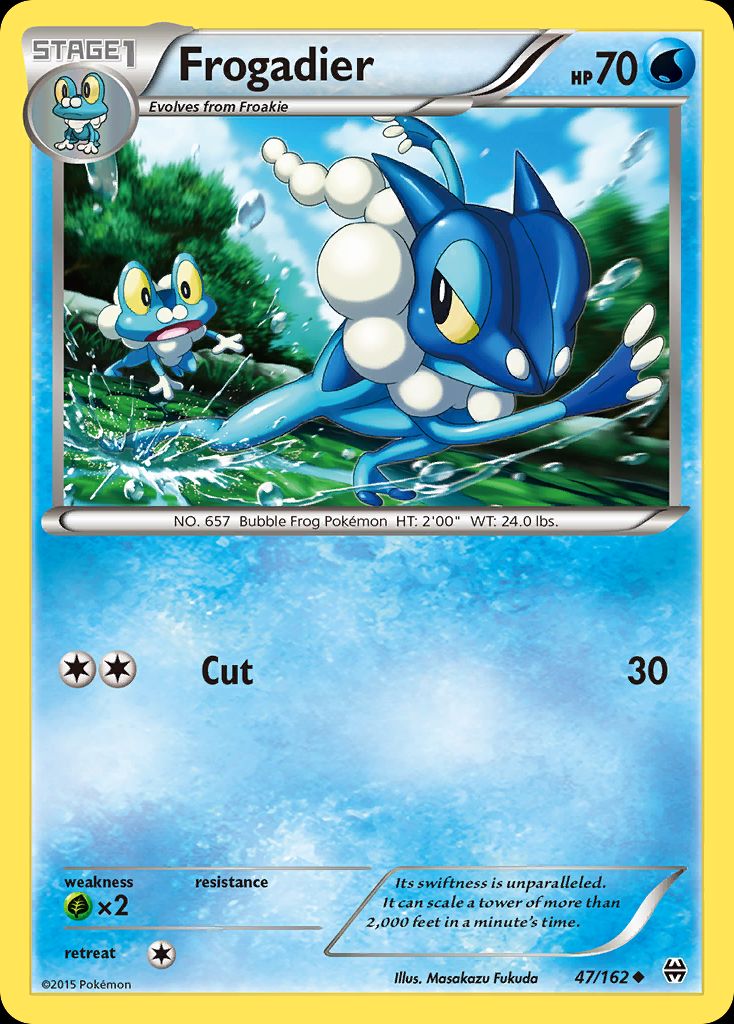
Best Graded Frogadier Cards: Collector & Investor Guide
Frogadier sits in a sweet spot for Kalos-era collectors: it is the middle evolution of one of the franchise’s most popular starter lines, yet its card catalog is still compact enough for focused collecting.
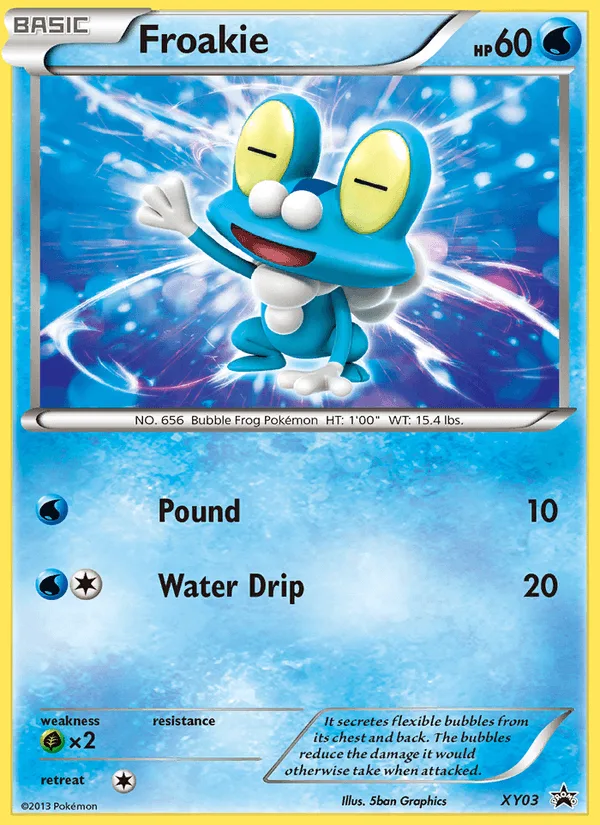
Best Graded Froakie Cards: Collector & Investor Guide
Froakie holds a special place for Pokémon TCG collectors because it marks the starting point of the Greninja evolution line, one of the most popular Kalos-era families in the hobby.
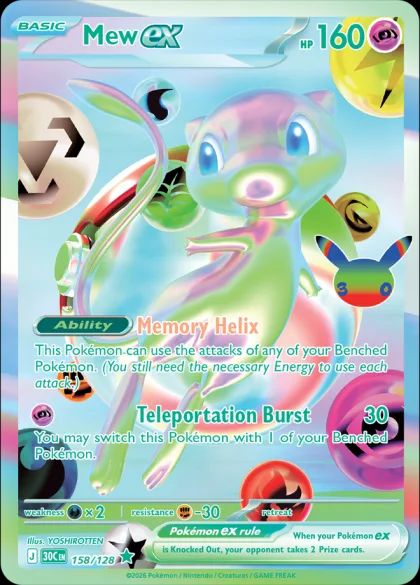
Pokémon 30th Celebration Chase Cards: The 12 Cards Worth Pulling and Grading
The Pokémon TCG 30th Celebration set launches worldwide on September 16, 2026.
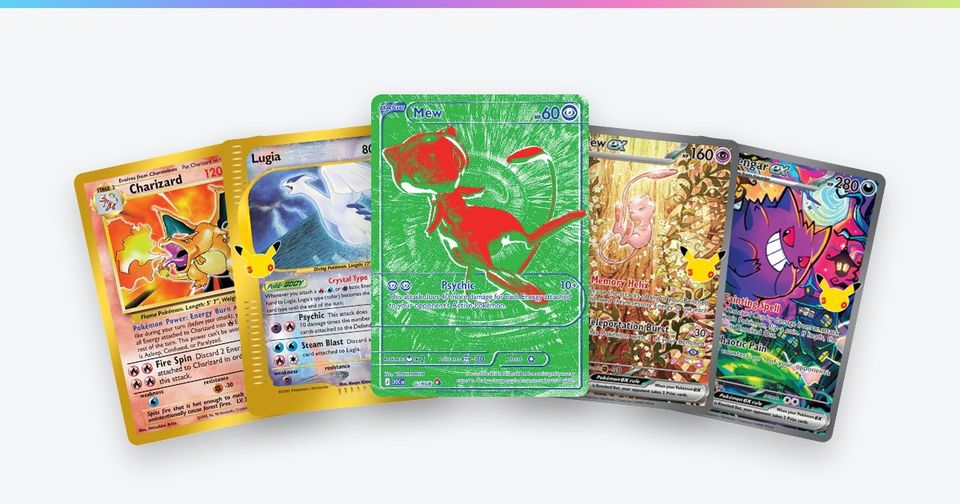
The Best Pulls From Pokémon's 30th Anniversary Set, Ranked by What They Sell For
The best 30th Celebration pulls so far, ranked by real sale prices: RGB Mew, Crystal Lugia, Mew ex SIR and more, plus pull rates from thousands of packs.
Best Graded Greninja Cards: The 10 Best and Most Expensive Greninja Cards
Greninja is one of the most popular modern Pokémon, a status it earned largely through its prominent role in the XY anime series as Ash Ketchum's most iconic companion Pokémon from the Kalos region.