
Yanma
Best Graded Yanma Cards: Collector & Investor Guide
By Kyle Eggleston · Published May 13, 2026
Yanma is one of those Johto Pokémon that quietly built a loyal collector base through the Neo era, then kept showing up in later generations with fresh artwork and new print styles. For many collectors, the appeal starts with vintage Wizards of the Coast-era releases, especially Neo Discovery, then expands into EX-era, HGSS-era, and modern Sword & Shield cards. Graded Yanma cards matter because condition sensitivity can be a major separator between a common binder card and a premium slab. PSA, BGS, and CGC grades help collectors compare copies across eras, track population scarcity, and follow real market movement more confidently when buying, selling, or building a focused Yanma collection.
Why Yanma Cards Are Worth Collecting
Yanma cards are worth collecting because they sit at the intersection of Johto nostalgia, distinctive insect Pokémon artwork, and long-term set diversity. Even though Yanma has never been one of the hobby's headline chase characters, it appears in several respected eras, from the Neo block and early Japanese-exclusive releases to EX and modern sets. That gives collectors multiple entry points depending on whether they prefer vintage Wizards cards or cleaner modern slabs.
Another reason Yanma stands out is visual consistency. Many of its cards lean into natural backgrounds, motion-focused artwork, and classic bug-type design language that feels especially strong in graded form. For collectors who enjoy building species runs, Yanma offers a compact but interesting checklist with both affordable options and tougher high-grade targets.
What Makes a Graded Yanma Card Valuable?
- Grade (PSA 10 commands highest premiums)
- Set and era (Neo Genesis/Discovery/Revelation/Destiny vs modern sets)
- Rarity and print run
- Population report scarcity
- Recent sold comps on eBay
- Japanese vs English versions
- PSA 10 vs raw comparison
The Best Graded Yanma Cards to Collect
1. Yanma. Neo Discovery 36/75
Neo Discovery is the foundational English Yanma card for many collectors, and it remains the easiest place to start a serious graded run. As a Wizards of the Coast-era release from 2001, it carries strong Johto nostalgia and tends to attract buyers who want clean vintage PSA 10 examples without jumping into far scarcer or more expensive species.
Collectors should pay close attention to centering, edge wear, and print quality, since even common vintage cards can be deceptively tough in gem mint. Compared with Japanese counterparts from the same era, English Neo Discovery copies often carry stronger recognition among WOTC set collectors.
2. Yanma. Crossing the Ruins 207/141
This Japanese Neo 2 card is the counterpart to the English Neo Discovery Yanma and is one of the most important vintage Yanma slabs for collectors who appreciate original Japanese set history. Japanese Neo cards are often praised for sharper print quality and deeper color, which makes high-grade examples especially attractive in PSA, BGS, or CGC holders.
Because Japanese Neo collecting has become more mainstream, cards like this appeal to both species collectors and era-focused buyers. A PSA 10 can be a strong long-term hold if you want a vintage Yanma with authentic early Johto pedigree and cleaner surfaces than many English copies.
3. Yanma. Expedition Base Set 108/165
Expedition Base Set gives Yanma an early e-Reader era appearance, making it an important bridge between vintage WOTC collecting and the more experimental layouts of the early 2000s. The border design, dot-code edges, and unique card framing make this one visually distinct from Neo-era Yanma cards.
For graded collectors, Expedition is appealing because it represents a meaningful shift in Pokémon TCG design history. English e-Series cards also have a dedicated fan base, and species collectors often like having at least one slab from this technologically distinctive period.
4. Yanma. Mysterious Mountains 008/088
The Japanese e-Series version from Mysterious Mountains is a standout for collectors who prefer Japanese-exclusive set identities over English equivalents. This release belongs to a respected era of Japanese cards known for strong print quality and a more refined presentation in high grade.
A PSA 10 copy can be especially compelling if you are building a cross-era Yanma portfolio with both English and Japanese anchors. Japanese e-Series cards often feel underrated relative to their historical importance, and Yanma collectors may find them more appealing than raw copies because condition is easier to standardize in slab form.
5. Yanma. EX Dragon Frontiers 29/101
Dragon Frontiers is one of the most popular EX-era sets, and even non-holo species cards from it benefit from the set's broader collector demand. Yanma 29/101 stands out because it comes from a period that remains highly collectible, especially for buyers who enjoy the silver-bordered EX-era look and the set's strong reputation.
This is a smart mid-era target for collectors who want something beyond Neo but still far from modern overproduction concerns. PSA 10 examples can be more appealing than raw because EX-era cards frequently show edge and corner issues that are easy to overlook in ungraded condition.
6. Yanma. Unseen Forces 64/115
Unseen Forces is one of the most beloved EX-era expansions, and Yanma 64/115 benefits from that set prestige. Even though it is not a marquee holo or ex card, species collectors value it for being part of a fan-favorite release tied to Johto themes and a memorable period in Pokémon TCG design.
Collectors should compare slab pricing carefully with raw copies, since set popularity can create a premium for high grades even on lower-rarity cards. For Yanma-focused buyers, this is one of the cleaner EX-era pickups with long-term nostalgic support.
7. Yanma. HS. Unleashed 75/95
HS. Unleashed brought Yanma back during the HeartGold & SoulSilver era, reconnecting the species with Johto in a way that appeals strongly to longtime fans. The era is now old enough to attract nostalgia of its own, and many collectors appreciate the silver border styling and gameplay-era artwork from HGSS sets.
PSA 10 copies can be attractive because HGSS-era cards are no longer as easy to source in pristine condition as many modern cards. For collectors building a timeline of Yanma appearances, this is an important card that marks the species' return in a dedicated Johto-themed generation.
8. Yanma. Triumphant 84/102
Triumphant is another HGSS-era set with a loyal collector following, and Yanma 84/102 fits well in a graded species run that spans multiple eras. While it is generally more accessible than early Neo cards, its appeal comes from era continuity and the growing collector appreciation for HeartGold & SoulSilver releases.
If you are choosing between raw and graded, slabbed gem mint copies offer a cleaner way to collect this era because surface scratches and corner wear can hold back otherwise nice-looking cards. It is a practical pickup for collectors who want depth in their Yanma lineup rather than only the oldest cards.
9. Yanma. BREAKthrough 2/162
BREAKthrough gives Yanma a modern-era appearance that still feels relevant to graded collectors, especially those building broad species collections rather than strictly vintage portfolios. The XY-era print style is crisp, colorful, and generally easier to find in high grade than older cards, which makes it a budget-friendly PSA 10 target.
This card works well as a modern complement to Neo and EX-era slabs. While it will not usually match the prestige of early Japanese or WOTC Yanma cards, it can offer better affordability and easier gem mint availability for collectors who want a complete graded progression.
10. Yanma. Astral Radiance 007/189
Astral Radiance is the strongest modern Yanma option for many collectors because Sword & Shield-era cards are widely recognized, easy to display, and supported by strong grading demand. The artwork is clean and contemporary, making it a sensible modern slab for anyone who wants at least one recent Yanma card alongside vintage pieces.
Modern PSA 10s typically trade much closer to raw than scarce vintage gems, but they still serve an important role in a species collection. English modern copies are usually the easiest to source, while Japanese equivalents may offer different artwork treatments or market dynamics depending on collector preference.
Vintage vs Modern Yanma Cards
Vintage Yanma cards from the Neo and early e-Series years generally carry the strongest nostalgia and the best long-term collector identity, especially in PSA 10 where condition becomes a real scarcity factor. Modern Yanma cards are easier to source and often cheaper to grade or buy already slabbed, which makes them useful for building a complete species run. As an investment vehicle, vintage usually has stronger historical appeal, while modern offers lower entry cost and easier liquidity.
How to Track Yanma Card Prices
Use eBay sold listings, PriceCharting, and PSA pop reports to gauge value. Slabfolio lets you look up graded card prices, upload your slab, and track your portfolio in one place.
FAQ
What is the rarest Yanma card?
Among broadly recognized graded targets, early Japanese Neo-era Yanma cards and tougher high-grade vintage English printings tend to be the most difficult to find in top condition. Rarity in practice often comes down more to gem mint population than raw card availability.
Is PSA 10 Yanma worth buying?
Yes, if you are buying with realistic expectations and focusing on cards with strong era appeal. Vintage PSA 10 Yanma cards usually offer the best collector upside, while modern PSA 10s are better for affordable species completion.
How do I find Yanma card prices?
Check eBay sold listings first, then compare with PriceCharting and PSA population data to see how often specific grades actually trade. Slabfolio can help you centralize that information when tracking a graded Yanma collection.
Prices as of Oct 21, 2026
- 1
Yanma PSA 10
Neo Discovery · 2001 · 36/75
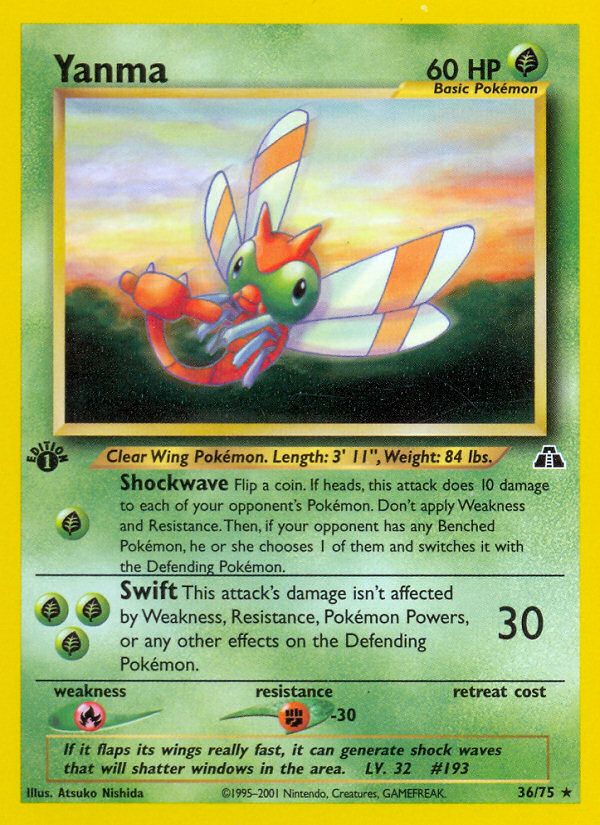
Yanma's main English Neo-era appearance came in Neo Discovery, a key Johto set from the Wizards of the Coast period. It is one of the defining vintage Yanma cards and a staple for species collectors building graded runs.
Prioritize sharp edges and strong centering, since vintage commons can be tougher in PSA 10 than they first appear.
Estimated value: $5.49
- 2
Yanma PSA 10
Crossing the Ruins · 2000 · 207/141
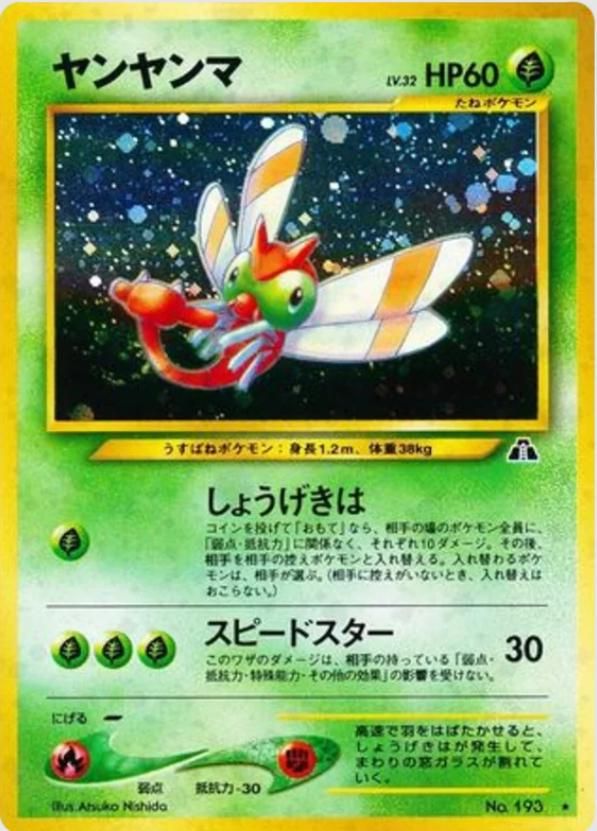
This Japanese Neo 2 release is the original-era counterpart collectors often chase alongside the English Neo Discovery card. It benefits from early Johto nostalgia and the strong reputation of Japanese Neo printing quality.
Japanese Neo copies often present better surface quality, so eye appeal matters when comparing similarly graded slabs.
Estimated value: $18.07
- 3
Yanma PSA 10
Expedition Base Set · 2002 · 108/165
Yanma's Expedition Base Set card marks its entry into the e-Reader era, one of the most stylistically distinct periods in the TCG. The card appeals to collectors who value set design history as much as species collecting.
Look closely for print lines and edge whitening, which can hold back otherwise strong e-Series copies.
- 4
Yanma PSA 10
Mysterious Mountains · 2002 · 008/088
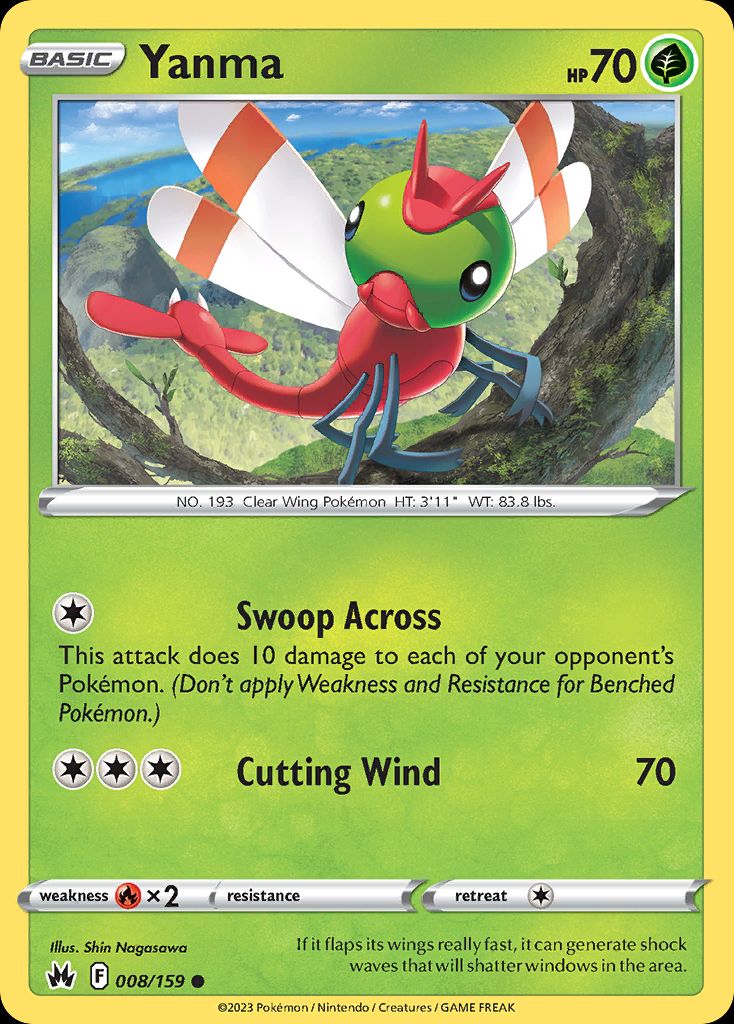
This Japanese e-Series Yanma from Mysterious Mountains is a respected niche pick with strong visual appeal in slabbed condition. It gives collectors a premium-feeling Japanese companion to the English Expedition card.
If you're building a cross-language collection, this is one of the best Japanese Yanma slabs to pair with an English e-Series copy.
Estimated value: $1.86
- 5
Yanma PSA 10
EX Dragon Frontiers · 2006 · 29/101
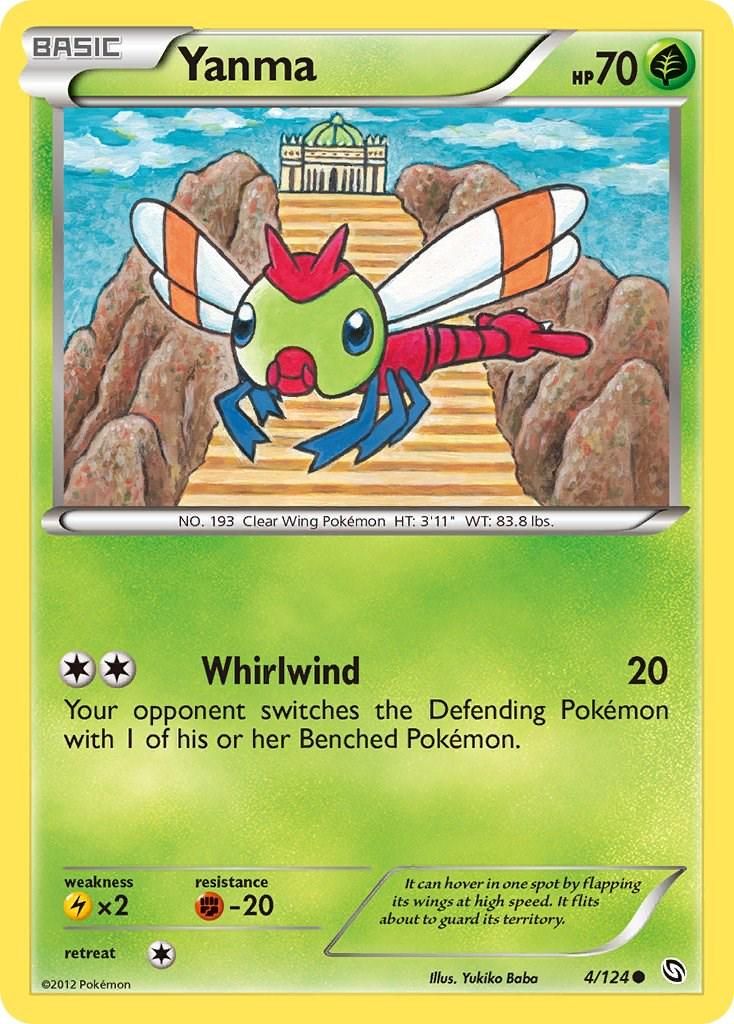
Dragon Frontiers is a highly collectible EX-era set, and Yanma's inclusion gives species collectors a card tied to one of the period's most popular releases. It is a strong mid-era option between vintage WOTC and modern printings.
EX-era commons and uncommons can still be condition sensitive, so a true gem mint slab is worth the premium if the eye appeal is there.
Estimated value: $0.44
- 6
Yanma PSA 10
Unseen Forces · 2005 · 64/115
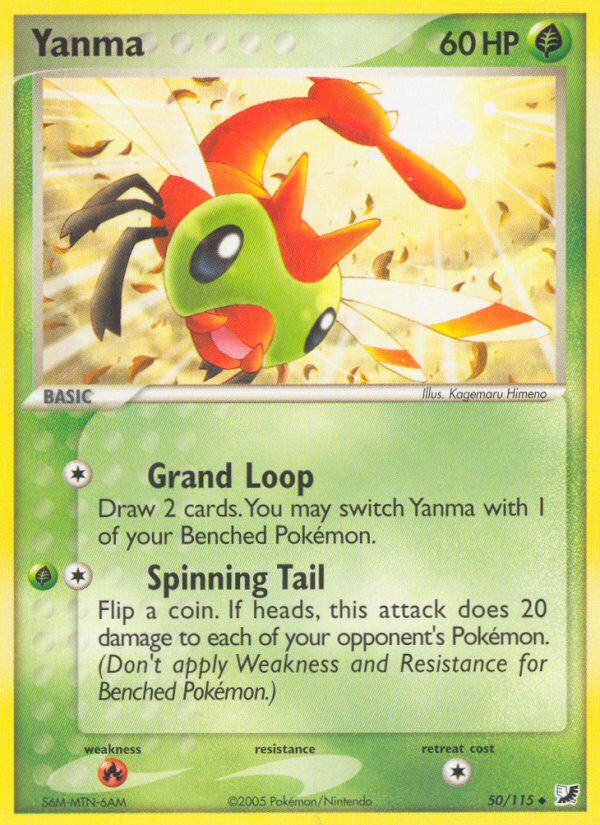
Unseen Forces remains a fan-favorite EX-era set, giving this Yanma extra appeal beyond its rarity level. It is particularly attractive to Johto-focused collectors who want a later-era card connected to a beloved expansion.
Compare sold slabs rather than asking prices, since set popularity can inflate listings for otherwise modest cards.
Estimated value: $1.47
- 7
Yanma PSA 10
HS. Unleashed · 2010 · 75/95
HS. Unleashed reintroduced Yanma in the HeartGold & SoulSilver era, reconnecting the species with Johto for a new generation of collectors. HGSS cards have developed a loyal following as supply in top grade becomes less plentiful.
This is a good target for collectors who want a Johto-era aesthetic without paying vintage WOTC-level premiums.
- 8
Yanma PSA 10
Triumphant · 2010 · 84/102
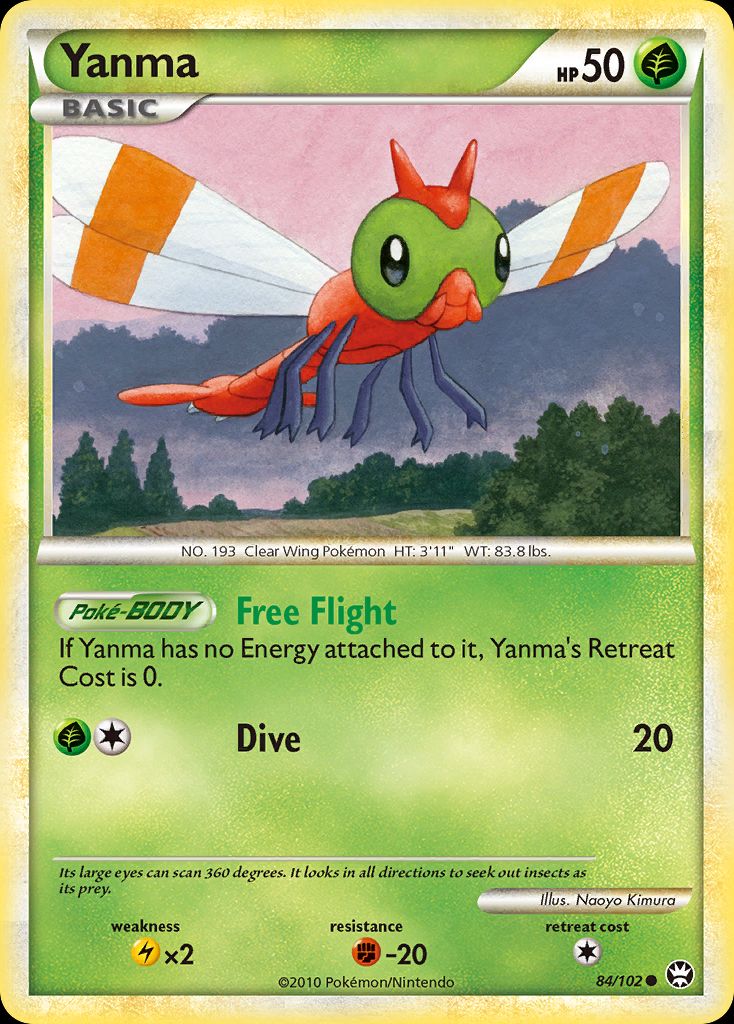
Triumphant adds another HeartGold & SoulSilver-era Yanma to the checklist, helping species collectors build depth beyond a single HGSS card. Its appeal is tied to the growing appreciation for the entire HGSS block.
Buy the cleanest copy you can find, because HGSS-era cards often show subtle corner wear that hurts premium grades.
Estimated value: $1.11
- 9
Yanma PSA 10
BREAKthrough · 2015 · 2/162
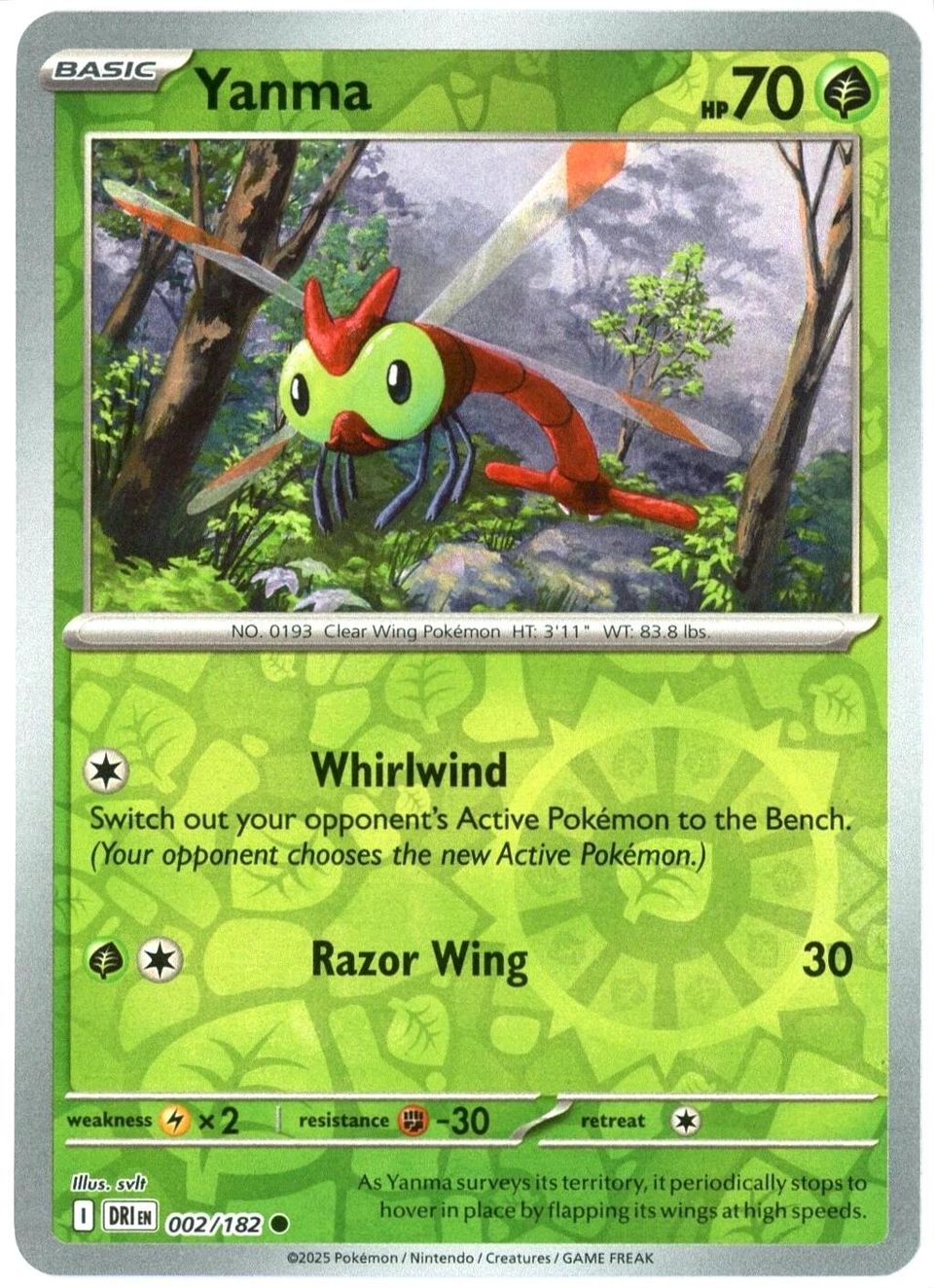
BREAKthrough gives collectors a solid XY-era Yanma with clean modern printing and broad accessibility. It is an affordable graded option that rounds out a full species timeline nicely.
Modern-era species collectors can use this as a lower-cost PSA 10 pickup while saving bigger budgets for Neo and e-Series cards.
Estimated value: $0.25
- 10
Yanma PSA 10
Astral Radiance · 2022 · 007/189
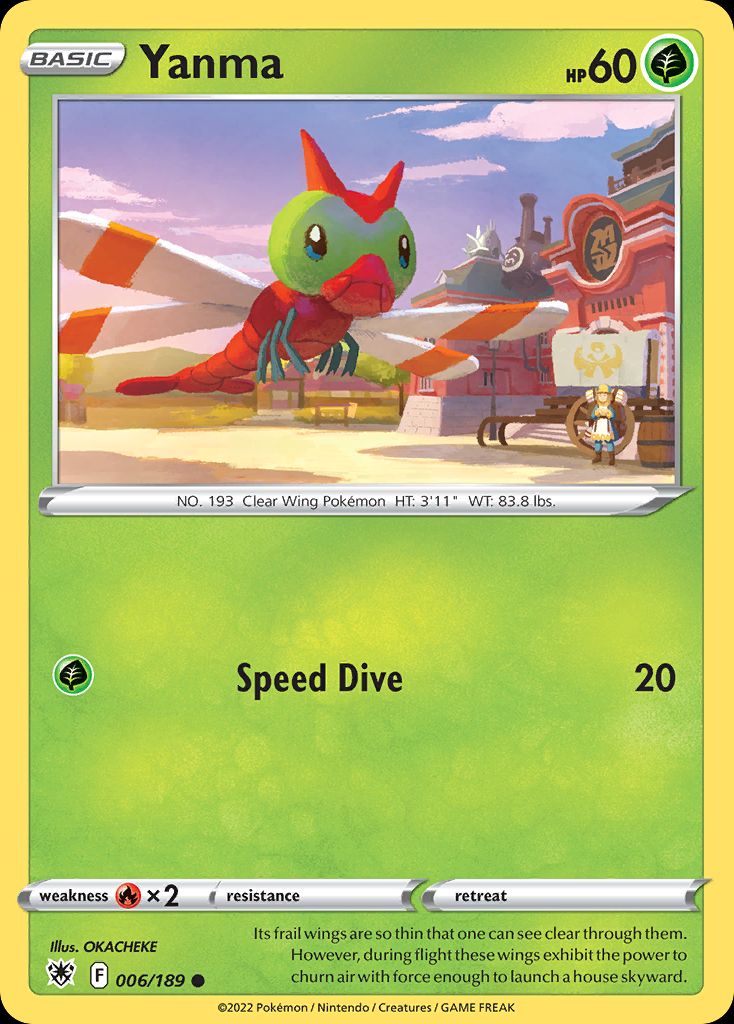
Astral Radiance is the most recognizable modern Yanma for many current collectors, offering a Sword & Shield-era anchor for a graded species set. It is easy to display, easy to source, and useful as a modern baseline card.
If you want a clean modern slab, prioritize centering and avoid overpaying since supply is usually much deeper than vintage Yanma cards.
Estimated value: $0.11
Frequently asked questions
What is the rarest Yanma card?
Among broadly recognized graded targets, early Japanese Neo-era Yanma cards and tougher high-grade vintage English printings tend to be the most difficult to find in top condition. Rarity in practice often comes down more to gem mint population than raw card availability.
Is PSA 10 Yanma worth buying?
Yes, if you are buying with realistic expectations and focusing on cards with strong era appeal. Vintage PSA 10 Yanma cards usually offer the best collector upside, while modern PSA 10s are better for affordable species completion.
How do I find Yanma card prices?
Check eBay sold listings first, then compare with PriceCharting and PSA population data to see how often specific grades actually trade. Slabfolio can help you centralize that information when tracking a graded Yanma collection.
Whether you're building your first graded Yanma collection or managing a larger Pokémon card portfolio, tracking real market movement matters. Slabfolio helps collectors organize slabs, monitor values, and follow graded card price changes over time.
Related guides
Best Graded Hoothoot Cards: Collector & Investor Guide
Hoothoot has never been the flashiest Johto Pokémon, but it holds a real place in Pokémon TCG collecting thanks to its early Neo-era appearances, charming artwork, and steady crossover appeal with Noctowl collectors.
Best Graded Teddiursa Cards: Collector & Investor Guide
Teddiursa has never been a headline Pokémon in the TCG, but that is exactly why many collectors enjoy it.
Best Graded Ursaring Cards: Collector & Investor Guide
Ursaring has never been the most heavily printed Johto Pokémon, which is exactly why many collectors enjoy chasing its best cards in graded form.
Best Graded Bayleef Cards: Collector & Investor Guide
Bayleef is one of the most nostalgic Stage 1 Johto Pokémon in the hobby, bridging the gap between beloved starter Chikorita and the more battle-focused Meganium.
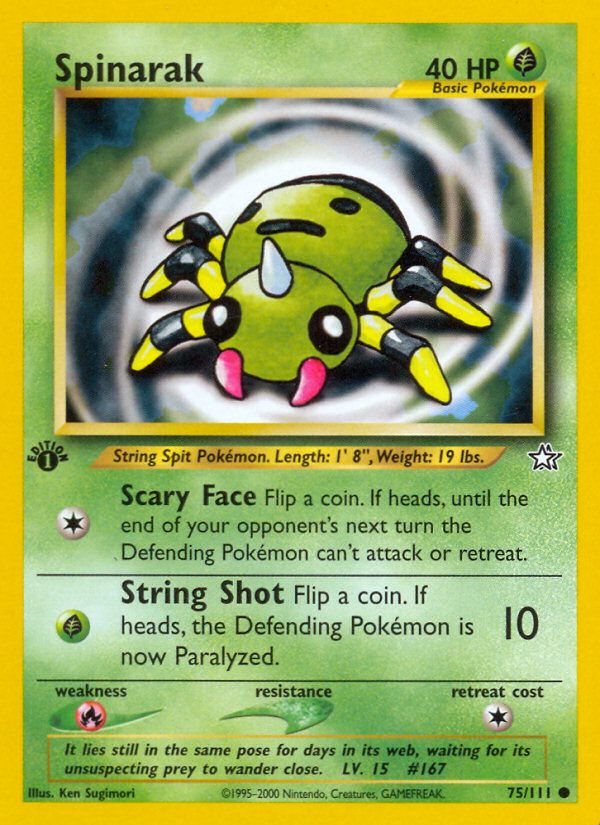
Best Graded Spinarak Cards: Collector & Investor Guide
Spinarak is a minor Johto Pokémon, but its trading card history is surprisingly collector-friendly.
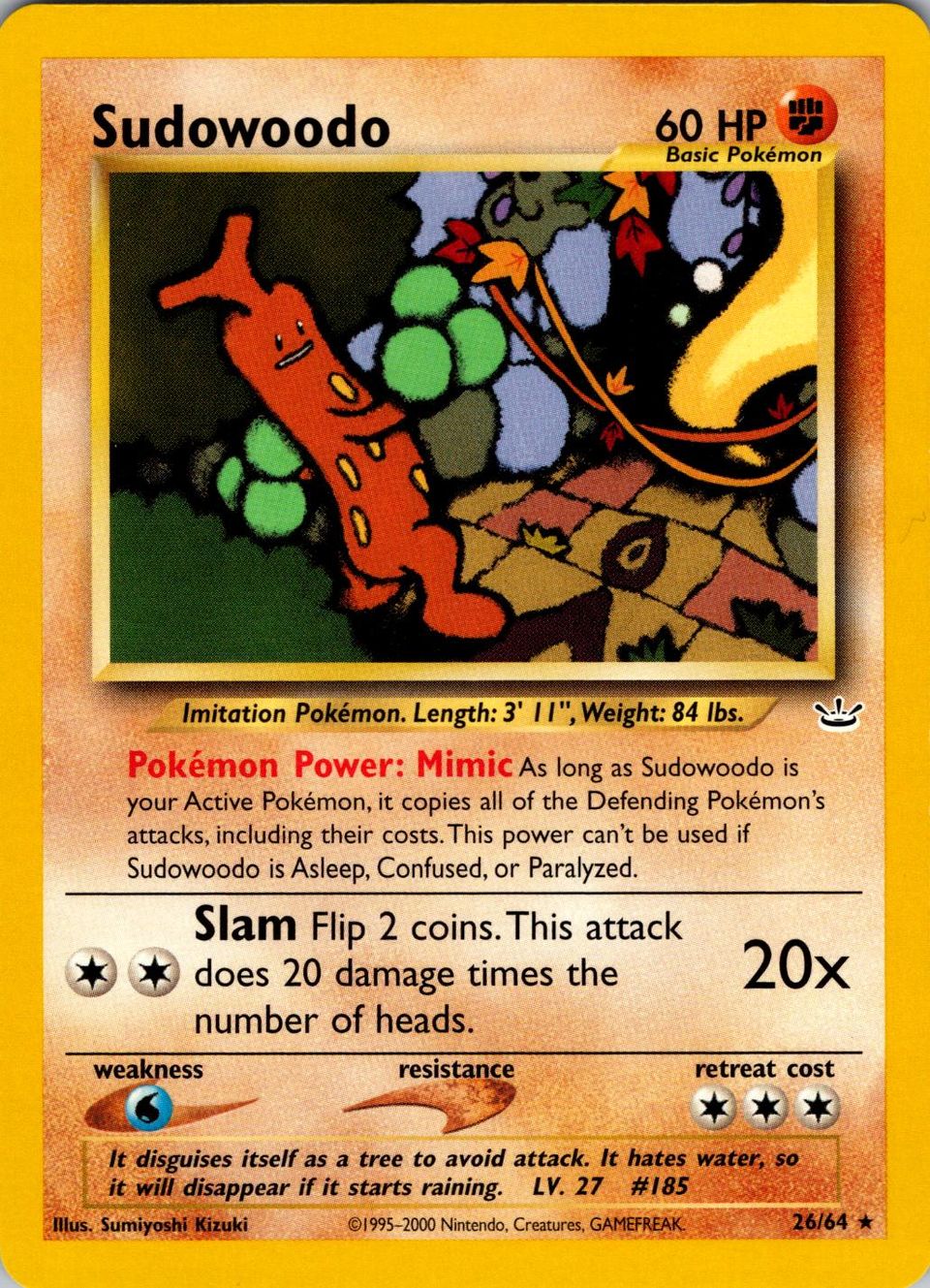
Best Graded Sudowoodo Cards: Collector & Investor Guide
Sudowoodo has always occupied a fun niche in Pokémon collecting: it is instantly recognizable, closely tied to the Johto era, and memorable for its faux-tree design and quirky personality.