
Staravia
Best Graded Staravia Cards: Collector & Investor Guide
By Kyle Eggleston · Published May 13, 2026
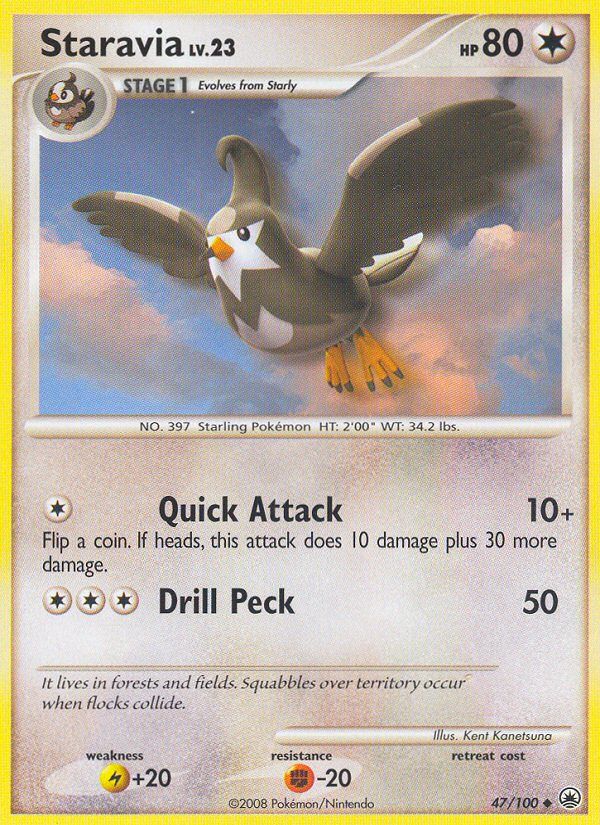
Staravia is not a headline-chasing chase card Pokémon, but that is exactly why it appeals to focused collectors. As the middle evolution of the Starly line introduced in the Diamond & Pearl era, it shows up across some of the most nostalgic Sinnoh-era sets in both English and Japanese printings, giving binder collectors and slab buyers a surprisingly deep niche to explore. For graded collectors, Staravia cards are interesting because they span core Diamond & Pearl, Platinum, and HeartGold & SoulSilver-period releases with clean artwork changes and subtle scarcity differences. PSA, BGS, and CGC slabs matter here because condition-sensitive commons and uncommons can be tougher to gem than many buyers expect, and population data helps separate routine copies from genuinely harder high-grade examples.
Why Staravia Cards Are Worth Collecting
Staravia sits in a sweet spot for Sinnoh collectors. It is recognizable to Diamond & Pearl fans, tied to one of the region's most familiar early-route evolution lines, and featured in a run of sets from the late 2000s that remain popular with both nostalgic players and modern set builders. While it lacks the premium attached to marquee Pokémon, that also means graded Staravia cards can be a smart, affordable specialty lane.
Artwork variety is another plus. Across Diamond & Pearl, Platinum, Arceus, and later HGSS-era side sets, Staravia appears in different poses and art styles that reflect the design shift from the early DP block into the Platinum era. For collectors who enjoy species runs, that makes Staravia a rewarding Pokémon to chase in PSA 10.
What Makes a Graded Staravia Card Valuable?
- Grade (PSA 10 commands highest premiums)
- Set and era (vintage vs modern sets)
- Rarity and print run
- Population report scarcity
- Recent sold comps on eBay
- Japanese vs English versions
- PSA 10 vs raw comparison
The Best Graded Staravia Cards to Collect
1. Staravia LV.26 - Mysterious Treasures 55/123
This is one of the foundational English Staravia cards for collectors, coming from the Diamond & Pearl: Mysterious Treasures expansion in 2007. For many Sinnoh-focused collectors, it represents the early DP era at its most recognizable, and that alone gives it long-term appeal in top grade.
PSA 10 copies are worth watching because early DP commons and uncommons can show print and edge issues more often than buyers expect. If you want one representative English Staravia slab, this is a very strong starting point.
2. Staravia LV.29 - Secret Wonders 81/132
Secret Wonders is a fan-favorite DP-era set, and Staravia 81/132 benefits from that wider collector interest. It is not flashy, but species collectors often like picking up cards from more popular expansions because they remain easy to recognize and easier to resell.
Japanese equivalents can be attractive when English PSA 10s feel too thinly traded. For English collectors, centering and corner quality matter here, especially if you are trying to build a matched Sinnoh line.
3. Staravia LV.28 - Great Encounters 73/106
Great Encounters has a strong reputation among Diamond & Pearl collectors, and Staravia 73/106 is one of the cleaner mid-era appearances for the species. It fits well in a graded evolution run with Starly and Staraptor from the same broader period.
In PSA 10, this card appeals less because of rarity and more because of era consistency. Buyers assembling set-themed Sinnoh pages or low-pop bird Pokémon runs often gravitate toward cards like this.
4. Staravia LV.29 - Majestic Dawn 72/100
Majestic Dawn is closely tied to the late DP era and features a collector-friendly checklist that still has nostalgic pull. Staravia 72/100 is a good example of a card that can seem ordinary raw but becomes much more interesting once you start comparing gem-mint availability.
For slab buyers, this is the kind of card where eye appeal matters almost as much as the label. A strong PSA 10 with clean centering can be more desirable than a lower-grade copy from a technically tougher card.
5. Staravia - Legends Awakened 93/146
Legends Awakened expanded the DP block with a larger set and a broad range of species, and Staravia 93/146 gives collectors another distinct English-era option. It is especially appealing to builders trying to collect one graded Staravia from every major Sinnoh-era release.
Because larger sets can sometimes feel less focused, individual species cards from them can be overlooked. That can create opportunity for patient collectors looking for affordable PSA 10 examples with better long-term niche demand.
6. Staravia - Stormfront 65/100
Stormfront remains one of the more memorable late Diamond & Pearl sets, and Staravia 65/100 benefits from being tied to a release that many collectors already pursue for bigger names. Secondary species cards in popular sets often outperform expectations when high-grade availability tightens.
This is a good card to buy when you can secure crisp edges and a clean front. English copies often trade quietly, so it helps to monitor sold listings rather than relying on sparse asking prices.
7. Staravia - Platinum 117/127
The base Platinum set is a key landmark for Sinnoh-era collectors, and Staravia 117/127 is one of the most important cards in a serious Staravia run. It marks the transition into the Platinum block and is a natural target for anyone collecting Pokémon from their earliest English set appearances onward.
In graded form, this card has nice crossover appeal between species collectors and Platinum set builders. If you are choosing between multiple copies, prioritize centering and surface quality because silver-border wear can stand out in slabs.
8. Staravia - Rising Rivals 118/111
Rising Rivals 118/111 is the standout Staravia card for many advanced collectors because it is a secret rare. That rarity gives it a different profile from the rest of Staravia's card history and makes it the closest thing the species has to a true chase-card slab in English.
When people ask for the rarest or most investment-oriented Staravia card, this is usually the first place to look. High-grade copies deserve special attention because demand concentrates heavily at the top of the grading scale, and raw-to-PSA-10 jumps can be significant when strong sales data appears.
9. Staravia - Arceus 69/99
Arceus is a beloved Platinum-era set with a unique identity, and Staravia 69/99 has become a nice pick for collectors who prefer artwork-driven cards over pure rarity. It is also one of the easier cards to integrate into a broader Arceus-era mini collection.
This is a practical slab target if you want a recognizable set name without paying secret rare premiums. Japanese collectors may prefer local-market DP/Pt equivalents, but English Arceus cards tend to remain especially accessible for North American buyers.
10. Staravia - HS. Undaunted 54/90
HS. Undaunted gives Staravia a later-era appearance outside the core Sinnoh DP/Pt run, which makes it useful for collectors who want to show the species across different design periods. It also adds HGSS-era flavor to a Staravia collection without leaving the late-2000s/early-2010s window.
Because this card comes from a set with its own dedicated fan base, gem-mint copies can attract crossover attention from HGSS collectors. It is a smart finishing piece for a 10-card graded Staravia lineup.
Vintage vs Modern Staravia Cards
Staravia does not have true vintage cards because the Pokémon debuted in the Diamond & Pearl generation, so its earliest releases already sit in the mid-era modern category. That said, early DP and Platinum cards function like vintage-style targets within Staravia collecting because they are the species' first appearances and often tougher in PSA 10 than newer cards. For investment-minded buyers, the earliest Sinnoh-era cards and the Rising Rivals secret rare offer the strongest long-term appeal compared with later standard-print appearances.
How to Track Staravia Card Prices
Use eBay sold listings, PriceCharting, and PSA pop reports to gauge value. Slabfolio lets you look up graded card prices, upload your slab, and track your portfolio in one place.
FAQ
What is the rarest Staravia card?
For most English collectors, Staravia 118/111 from Rising Rivals is the key rarity because it is a secret rare and stands apart from the species' standard common and uncommon printings. It is usually the first card advanced Staravia collectors prioritize in high grade.
Is PSA 10 Staravia worth buying?
Yes, if you collect Sinnoh Pokémon, species runs, or lower-pop niche slabs. PSA 10 Staravia cards usually work best as affordable long-term collector pieces rather than short-term flip targets.
How do I find Staravia card prices?
Check eBay sold listings first, then compare with PriceCharting and PSA population data. Slabfolio's price lookup is useful for organizing those data points alongside your own collection.
Prices as of Oct 21, 2026
- 1
Staravia PSA 10
Mysterious Treasures · 2007 · 55/123
Staravia 55/123 is one of the earliest English Staravia cards released in the Diamond & Pearl era. It remains a foundational slab for collectors building a chronological Staravia run.
Look for strong centering and clean back edges, since DP-era wear can hold back gem rates.
- 2
Staravia PSA 10
Secret Wonders · 2007 · 81/132
Released later in 2007, Staravia 81/132 gives the species another early DP-block appearance in a well-liked set. Secret Wonders has a loyal collector base, which helps niche species cards stay relevant.
This is a solid buy for collectors assembling Sinnoh lines from recognizable DP sets.
- 3
Staravia PSA 10
Great Encounters · 2008 · 73/106
Staravia 73/106 is part of the Great Encounters release, a notable middle chapter of the Diamond & Pearl block. It is a clean species-run piece that fits well alongside Starly and Staraptor slabs.
Buy the nicest eye-appeal copy you can find, since this card's appeal is driven by set and presentation.
- 4
Staravia PSA 10
Majestic Dawn · 2008 · 72/100
Majestic Dawn 72/100 is a late-DP Staravia that appeals to set builders and Sinnoh collectors. Its value comes more from condition and era than from rarity, which is common for Staravia cards.
PSA 10 examples can be better long-term holds than raw copies because high-grade supply is often thinly traded.
Estimated value: $0.99
- 5
Staravia PSA 10
Legends Awakened · 2008 · 93/146
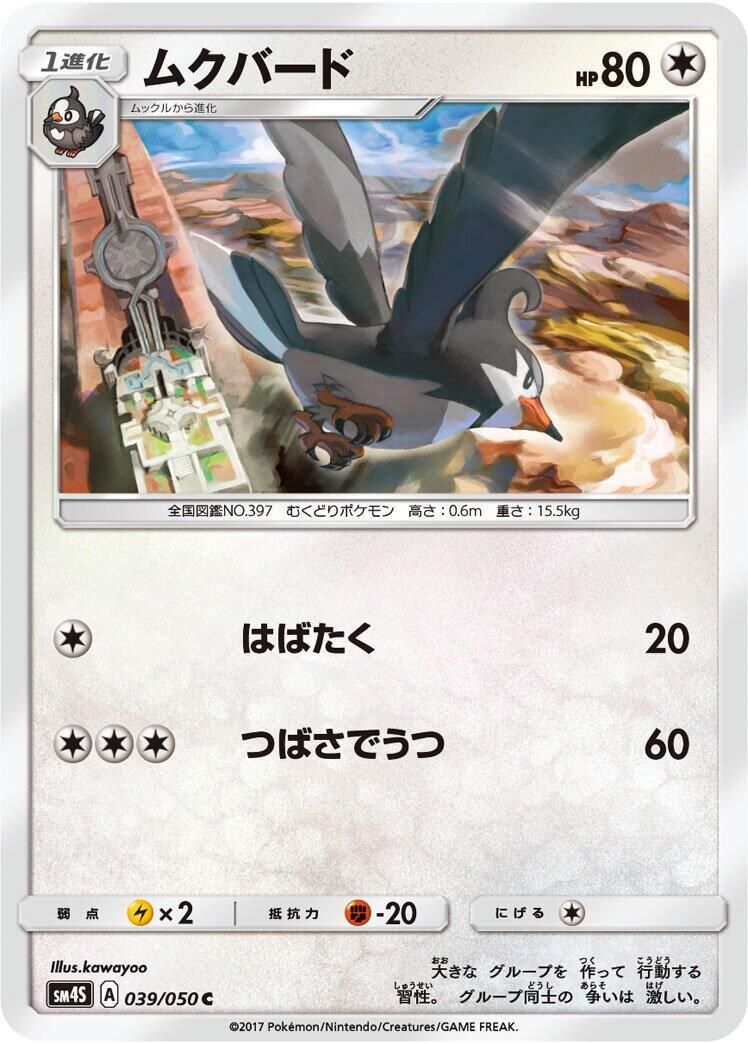
Staravia 93/146 comes from the larger Legends Awakened set and is often overlooked by casual buyers. That makes it a nice sleeper pick for collectors chasing one Staravia from every major Sinnoh-era expansion.
Patience helps here, since copies appear less often than more obvious DP staples.
Estimated value: $1.99
- 6
Staravia PSA 10
Stormfront · 2008 · 65/100
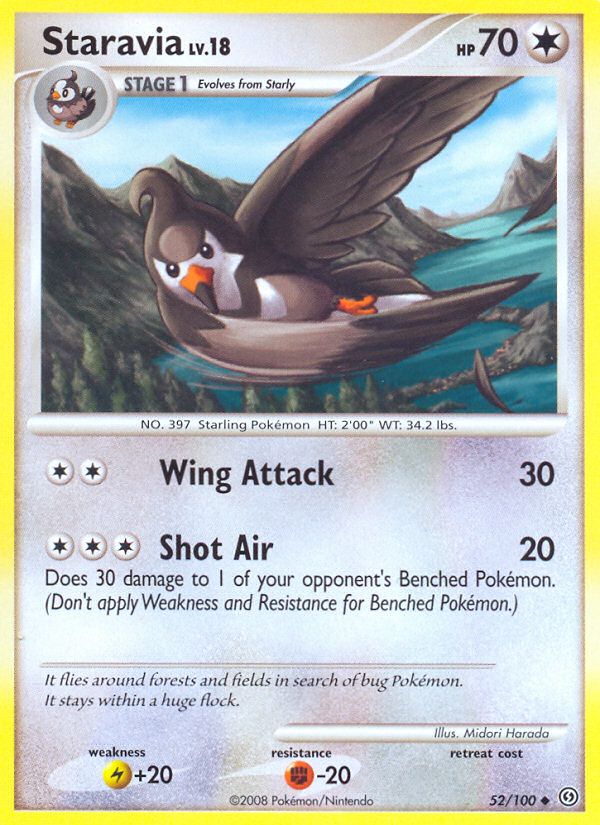
Stormfront 65/100 benefits from being part of one of the most memorable late Diamond & Pearl expansions. Species collectors often like owning supporting Pokémon from more widely collected sets.
Check surface gloss and print quality closely, especially under strong light.
Estimated value: $0.96
- 7
Staravia PSA 10
Platinum · 2009 · 117/127
Staravia 117/127 marks the species' presence in the base Platinum set, an important release for Sinnoh collectors. It has strong crossover appeal with collectors focused on the Platinum era overall.
This is a key card for a complete English Staravia slab run, so buy centered copies when available.
- 8
Staravia PSA 10
Rising Rivals · 2009 · 118/111
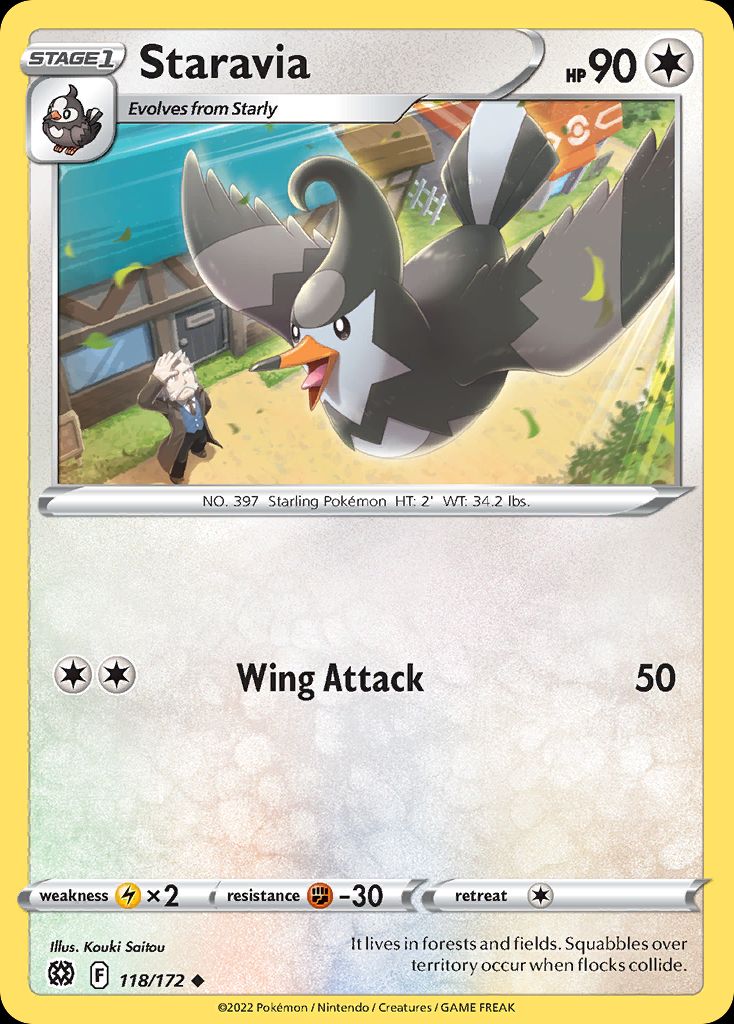
Staravia 118/111 is the marquee Staravia card in English because it is a secret rare from Rising Rivals. It is the clear chase piece for advanced species collectors and usually the most important graded target.
If you only buy one premium Staravia slab, make it this card in the best grade you can afford.
Estimated value: $0.05
- 9
Staravia PSA 10
Arceus · 2009 · 69/99
Arceus 69/99 is a popular pickup because the set itself has a strong collector identity. It balances affordability with recognizability, making it one of the easier graded Staravia cards to recommend.
A nice option for collectors who want a Platinum-era slab without paying secret rare prices.
- 10
Staravia PSA 10
HS. Undaunted · 2010 · 54/90
Staravia 54/90 from HS. Undaunted extends the species into the HeartGold & SoulSilver era and gives collectors a later-period slab with a different visual feel. It is a strong finishing piece for a 10-card Staravia list.
This card is especially appealing if you collect across both the DP/Pt and HGSS eras.
Frequently asked questions
What is the rarest Staravia card?
For most English collectors, Staravia 118/111 from Rising Rivals is the key rarity because it is a secret rare and stands apart from the species' standard common and uncommon printings. It is usually the first card advanced Staravia collectors prioritize in high grade.
Is PSA 10 Staravia worth buying?
Yes, if you collect Sinnoh Pokémon, species runs, or lower-pop niche slabs. PSA 10 Staravia cards usually work best as affordable long-term collector pieces rather than short-term flip targets.
How do I find Staravia card prices?
Check eBay sold listings first, then compare with PriceCharting and PSA population data. Slabfolio's price lookup is useful for organizing those data points alongside your own collection.
Whether you're building your first graded Staravia collection or managing a larger Pokémon card portfolio, tracking real market movement matters. Slabfolio helps collectors organize slabs, monitor values, and follow graded card price changes over time.
Related guides
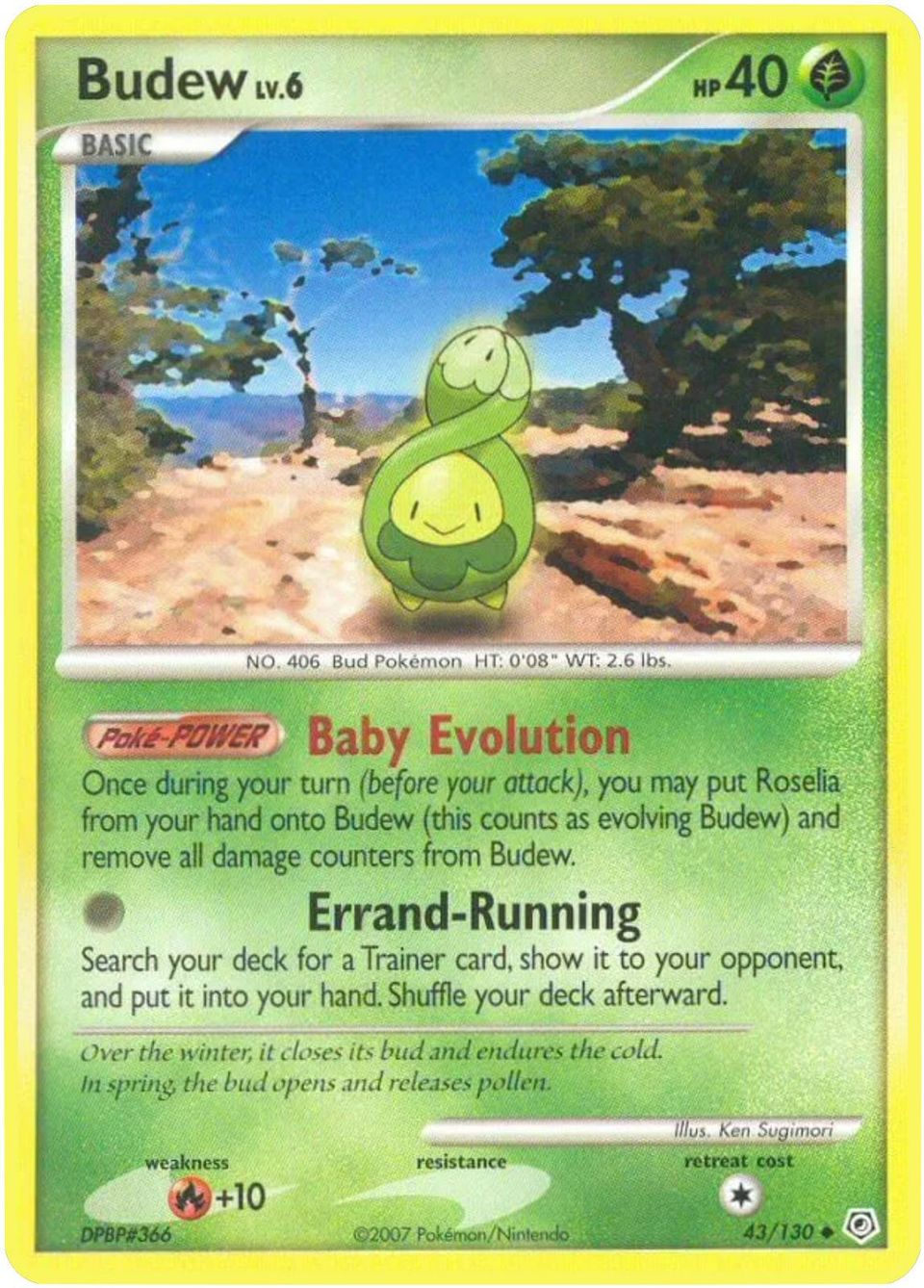
Best Graded Budew Cards: Collector & Investor Guide
Budew is a small Baby Pokémon, but it has a surprisingly focused niche within the Pokémon TCG.
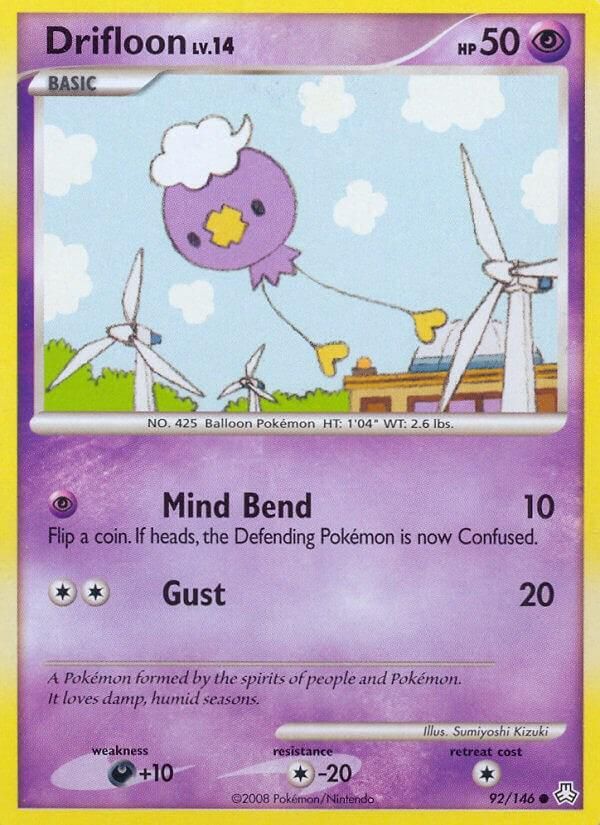
Best Graded Drifloon Cards: Collector & Investor Guide
Drifloon is one of those Sinnoh-era Pokémon that has built a quiet but loyal collector base.
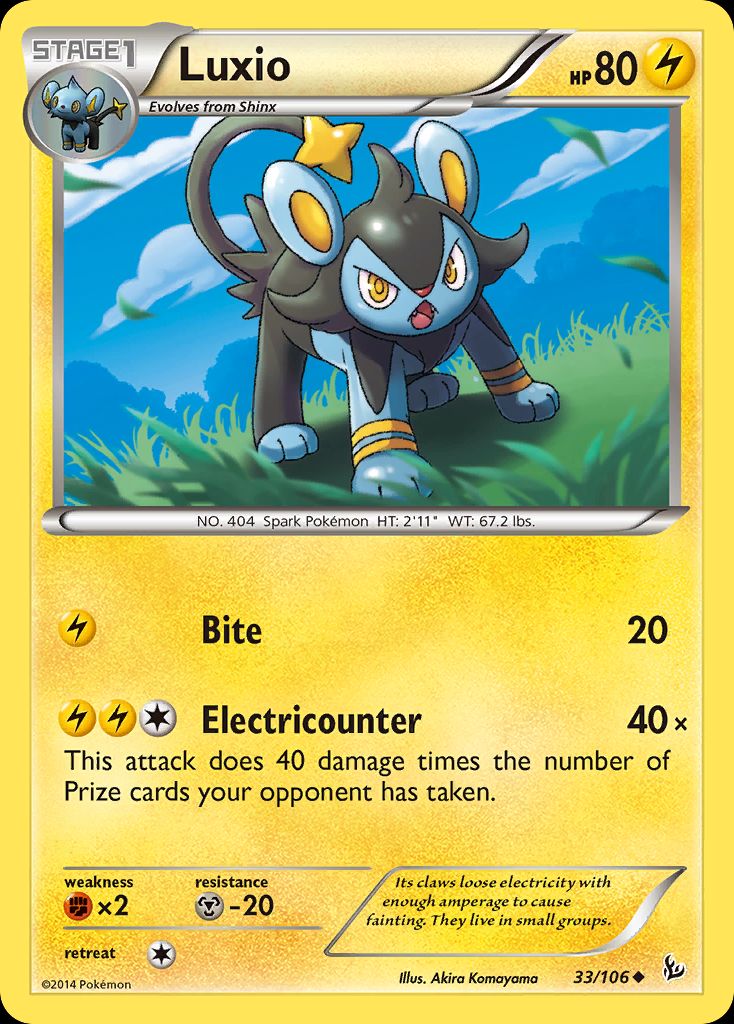
Best Graded Luxio Cards: Collector & Investor Guide
Luxio sits in an interesting spot for Pokémon TCG collectors.
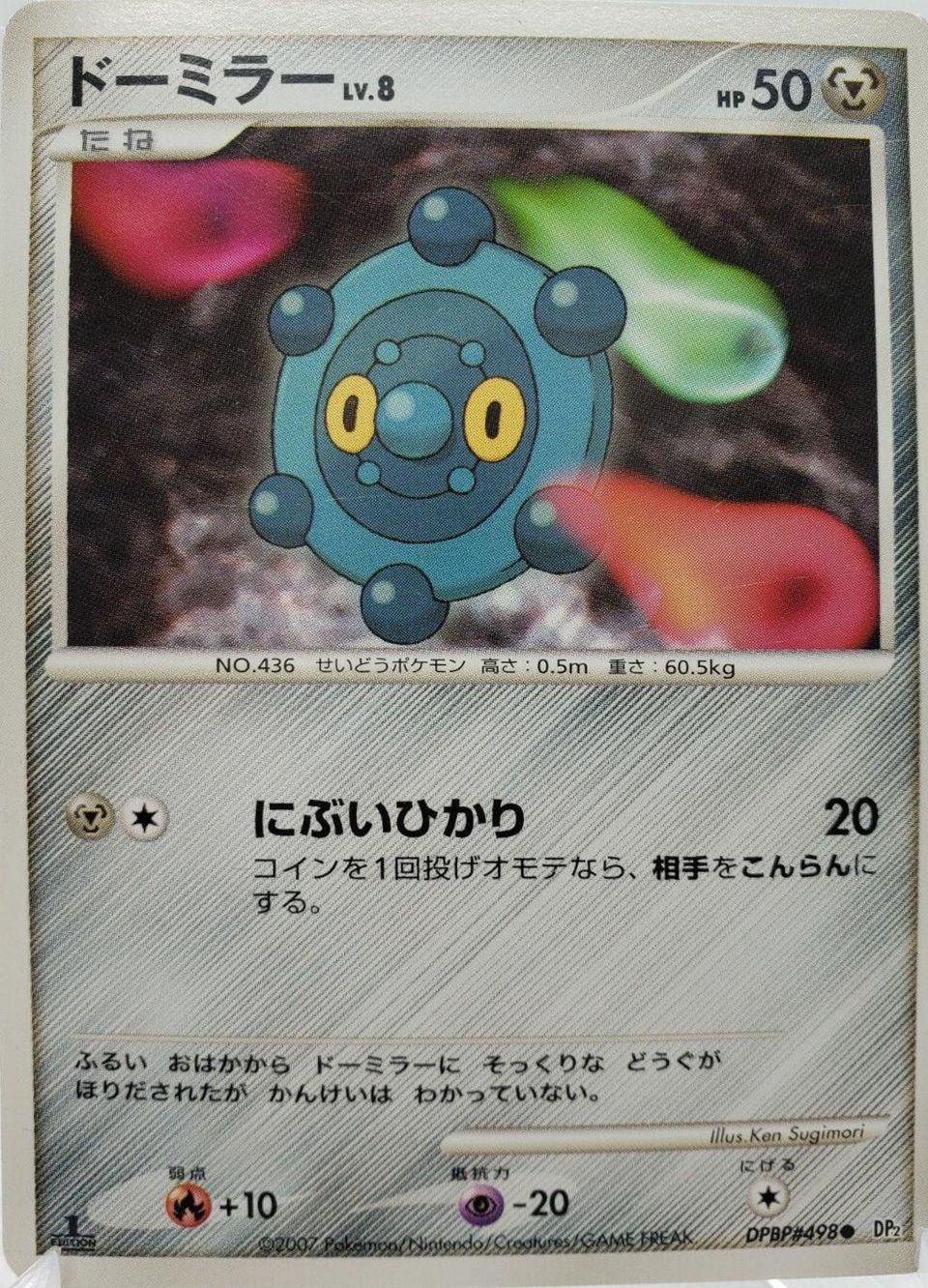
Best Graded Bronzor Cards: Collector & Investor Guide
Bronzor is a niche collector favorite from the Diamond & Pearl era, a period many Pokémon TCG fans now revisit for its distinct artwork, mechanical themes, and relatively lower print runs compared with later modern sets.
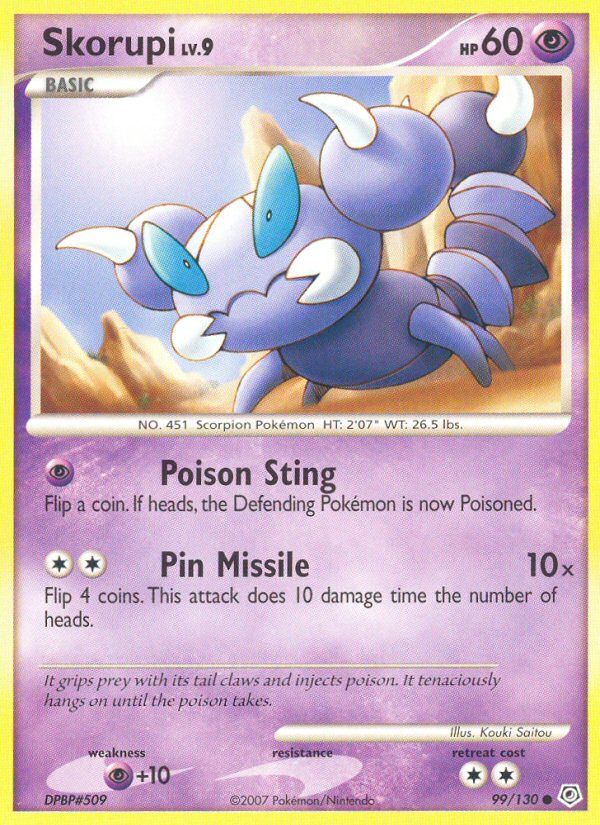
Best Graded Skorupi Cards: Collector & Investor Guide
Skorupi is not a headline Pokémon in the way Charizard or Pikachu is, but that is exactly why it appeals to focused species collectors.
Best Graded Buizel Cards: Collector & Investor Guide
Buizel is one of the most recognizable Water-type Pokémon introduced in the Diamond & Pearl era, and its cards appeal to collectors who enjoy Sinnoh nostalgia, cheerful artwork, and affordable character-focused runs.