
Starly
Best Graded Starly Cards: Collector & Investor Guide
By Kyle Eggleston · Published May 13, 2026
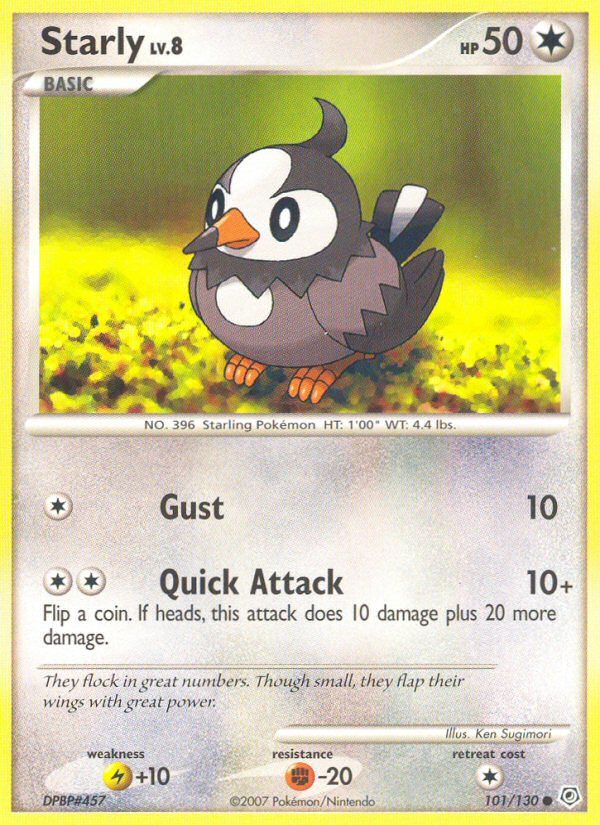
Starly is one of the defining common Pokémon of the Diamond & Pearl era, making it a quietly important target for collectors who appreciate early Sinnoh nostalgia. While it has never been a headline chase character in the way Charizard or Pikachu can be, Starly appears across several eras in sets that matter to DP, Platinum, and modern binder collectors alike. For graded collectors, Starly is appealing because condition sensitivity can matter even on low-rarity cards, especially in older DP-era printings and Japanese promo releases. PSA, BGS, and CGC slabs make it easier to compare centering, surface, and scarcity across versions while tracking real market movement over time.
Why Starly Cards Are Worth Collecting
Starly cards sit in an interesting niche: they are accessible, nostalgic, and tied directly to the beginning of the Sinnoh era. For many collectors, that alone gives them long-term appeal. Early Diamond & Pearl printings are especially attractive because they capture the first wave of Gen 4 Pokémon in the TCG, and Starly was one of the most recognizable route Pokémon from the games.
Artwork also matters here. Starly often appears in scenic, grounded illustrations that fit naturally into species collections and Sinnoh-focused binders. In graded form, even humble commons can become standout pieces when they are tied to first appearances, low-pop promos, or Japanese-exclusive releases.
What Makes a Graded Starly Card Valuable?
- Grade (PSA 10 commands highest premiums)
- Set and era (vintage vs modern sets)
- Rarity and print run
- Population report scarcity
- Recent sold comps on eBay
- Japanese vs English versions
- PSA 10 vs raw comparison
The Best Graded Starly Cards to Collect
1. Starly - Diamond & Pearl 102/130
This is the core Starly card for many collectors because it represents the Pokémon's earliest English TCG appearance in the Diamond & Pearl base set. First appearances from major game eras often outperform expectations in high grade, especially when collectors decide to build species master sets or Sinnoh-era graded runs.
PSA 10 copies are worth watching because older commons can be deceptively tough in pristine condition. For collectors who want a foundational slab rather than a flashy promo, this is the natural starting point.
2. Starly - Mysterious Treasures 102/123
Mysterious Treasures remains one of the more nostalgic DP expansion sets, and Starly's appearance here gives collectors another early-era option with strong binder and slab crossover appeal. It is still a common, but it benefits from the set's strong recognition among Diamond & Pearl-era fans.
In English, this card is usually easier to source raw than graded, so condition-screening matters. A clean PSA 10 can be a smart pickup for collectors building a chronological Starly lineup.
3. Starly - Secret Wonders 133/132
This Secret Wonders Starly is one of the most interesting cards on the list because it is a secret rare numbering beyond the main set. Even though it is not a holo-heavy chase in the traditional sense, collectors tend to notice unusual numbering immediately, and that alone gives it stronger long-term appeal than a standard common Starly.
For grading, this is one of the most important Starly cards to track. Secret rare numbering, older print quality, and lower familiarity among casual buyers can create pricing gaps that disciplined collectors may be able to exploit.
4. Starly - Majestic Dawn 103/100
Like the Secret Wonders card, this Majestic Dawn Starly carries out-of-set numbering that gives it extra collector interest. Majestic Dawn is a respected Platinum-adjacent era release for Sinnoh fans, and cards numbered beyond the main checklist often get a second look from investors hunting scarce or overlooked species cards.
If you are comparing copies, prioritize centering and edge wear. High-grade examples can stand out because many surviving raws were pulled for binder collections rather than preserved with grading in mind.
5. Starly - Stormfront 103/100
Stormfront is one of the most collected late-DP era sets, and this Starly benefits from that halo. The out-of-set numbering again gives it a stronger identity than a standard common, and Stormfront's popularity means collectors often revisit even lesser-known Pokémon from the checklist.
This is a good example of a card where set demand can help species demand. English graded copies may carry stronger broad-market interest than some other Starlys simply because Stormfront itself remains so recognizable.
6. Starly - Arceus 68/99
Arceus has a loyal following thanks to its unique theme and late Platinum-era identity, and Starly's inclusion makes this one a worthwhile pickup for collectors who want a more complete era run. It lacks the secret-rare intrigue of some other DP cards, but the set has enough recognition to keep it relevant.
From a grading standpoint, this is often more of a value play than a trophy piece. If you are building a slabbed Starly set on a budget, this can be one of the easier vintage-era entries to target in top condition.
7. Starly - Black & White 104/114
Although Starly is most closely associated with Sinnoh, its appearance in Black & White gives it a cross-era presence that many species collectors appreciate. It helps extend a Starly collection beyond DP and Platinum while remaining affordable compared with scarcer promos and earlier printings.
Collectors should not ignore later commons entirely. When PSA 10 populations stay modest and species demand is consistent, cards like this can quietly become harder to replace than expected.
8. Starly - Boundaries Crossed 117/149
Boundaries Crossed offers another clean modern-era Starly for collectors building a full graded timeline. It is not the most famous set on this list, but its role is important because it shows continued TCG representation and gives the species a broader collecting footprint.
For value-minded buyers, this is the kind of card that can make sense in a lot purchase or submission stack. It is usually more about completing the run than chasing a centerpiece, but completion-driven demand should not be underestimated.
9. Starly - XY Promo XY15
The XY15 Black Star Promo is one of the most collector-friendly Starly cards because promos naturally stand apart from regular set commons. Black Star Promos often attract species collectors, promo specialists, and slab buyers looking for cleaner card identities than standard set cards provide.
In high grade, promo Starly cards can feel more special than their rarity would suggest. This is a strong candidate for collectors who want at least one Starly slab that is easy to display and instantly recognizable as a promo release.
10. Starly - Japanese Munch: A Retrospective 290/SM-P
Among all Starly cards, the Japanese Munch promo is the one that tends to generate the most serious collector attention. Its museum tie-in, distinctive artwork concept, and promo-only status make it the closest thing Starly has to a prestige card.
Japanese-exclusive promos often trade on different demand dynamics than English set cards, and this is a great example. For many advanced collectors, this is the Starly slab to prioritize first, especially in PSA 10 where presentation and scarcity combine most effectively.
Vintage vs Modern Starly Cards
Vintage-era Starly cards from Diamond & Pearl and Platinum generally offer the strongest nostalgia and the best long-term collector narrative, especially the earliest printings and unusual numbered variants. Modern and promo-era cards are usually easier entry points, but they can still perform well in top grades when population remains low or artwork gives them a unique identity.
How to Track Starly Card Prices
Use eBay sold listings, PriceCharting, and PSA pop reports to gauge value. Slabfolio lets you look up graded card prices, upload your slab, and track your portfolio in one place.
FAQ
What is the rarest Starly card?
For most collectors, the Japanese Munch: A Retrospective promo is the standout rarity because it was released as a limited Japanese promo rather than a standard pack card. Among English cards, the DP-era secret-numbered Starlys are usually the most interesting scarcity targets.
Is PSA 10 Starly worth buying?
Yes, if you are collecting Sinnoh Pokémon, building a species set, or focusing on low-pop commons and promos. The best buys are usually first-appearance DP cards, unusual numbered variants, and distinctive promos with clear collector demand.
How do I find Starly card prices?
Check eBay sold listings, PriceCharting, and PSA population data to compare recent market activity. Slabfolio is also useful for tracking individual slabs and watching how graded prices move over time.
Prices as of Oct 21, 2026
- 1
Starly PSA 10
Diamond & Pearl · 2007 · 102/130
This is Starly's first English TCG appearance in the Diamond & Pearl base set. As a first-era Sinnoh common, it is a foundational slab for species and regional collectors.
Prioritize sharp corners and clean reverse-free surfaces, as older DP commons can hide light handling wear.
Estimated value: $1.36
- 2
Starly PSA 10
Mysterious Treasures · 2007 · 102/123
Mysterious Treasures gave Starly another early DP-era appearance in one of the most recognizable 2007 expansions. It appeals to collectors building complete early Sinnoh runs.
Look for strong centering, since even commons from this era can be surprisingly tough in gem mint.
- 3
Starly PSA 10
Secret Wonders · 2007 · 133/132
This secret-numbered Starly stands out immediately because it is numbered beyond the main set. That unusual checklist placement gives it stronger appeal than a routine common.
If you only buy one English Starly beyond the base set card, this is a strong candidate.
- 4
Starly PSA 10
Majestic Dawn · 2008 · 103/100
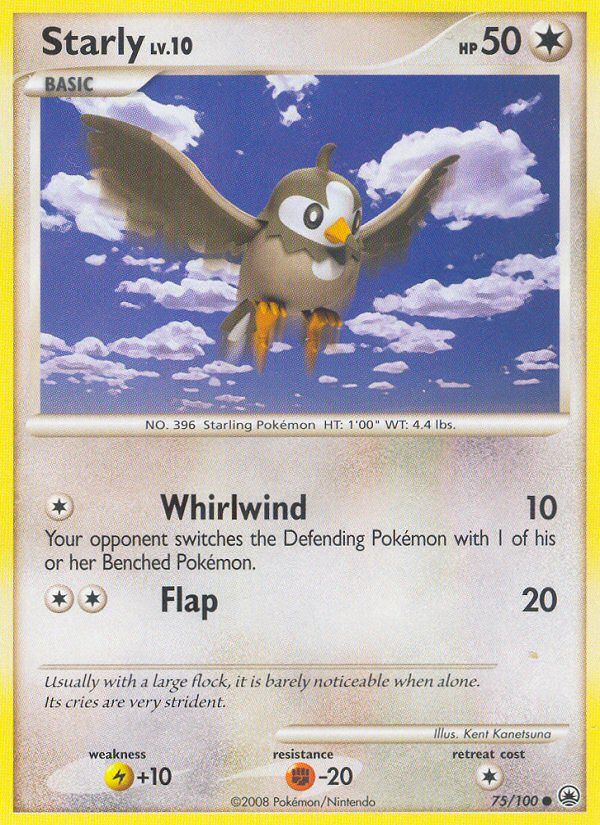
Majestic Dawn's out-of-set numbered Starly is one of the most collectible DP-era entries for the species. It benefits from both Sinnoh nostalgia and its more unusual numbering.
Check edges carefully, as silvering and minor wear can hold back otherwise strong copies.
Estimated value: $0.42
- 5
Starly PSA 10
Stormfront · 2008 · 103/100
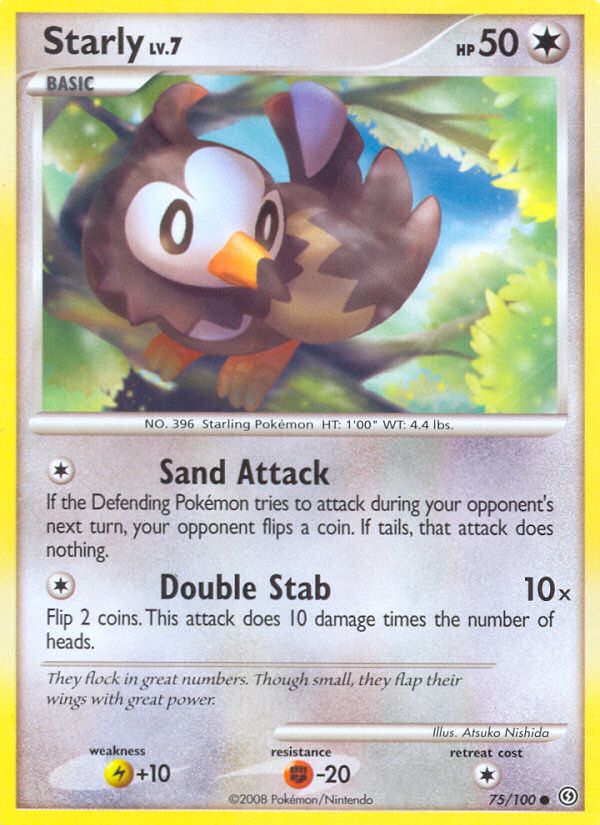
Stormfront remains a popular late-DP set, and this secret-numbered Starly gains visibility from that broader set demand. It is one of the stronger English slab targets for species collectors.
Set popularity can support demand, so compare recent sold comps before buying impulse listings.
Estimated value: $0.6
- 6
Starly PSA 10
Arceus · 2009 · 68/99
Starly's Arceus set appearance closes out its Platinum-era presence in a well-liked themed expansion. It is a useful card for collectors building a complete graded timeline.
This is often a smart budget pickup for anyone filling out a full Starly slab run.
- 7
Starly PSA 10
Black & White · 2011 · 104/114
This Black & White printing extends Starly's collecting story beyond Sinnoh-focused releases. It is useful for species collectors who want representation across multiple TCG generations.
Do not overlook later-era commons in PSA 10, especially if you are chasing a complete species set.
- 8
Starly PSA 10
Boundaries Crossed · 2012 · 117/149
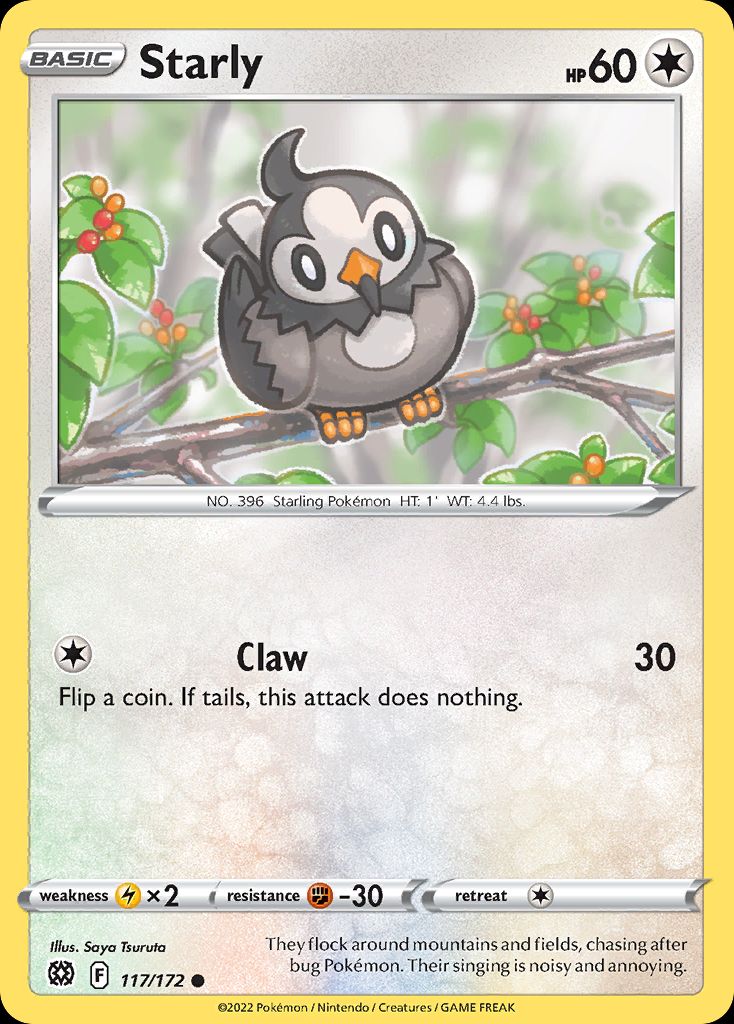
Boundaries Crossed gives Starly another modern-era appearance that helps round out chronological collections. While not rare, it matters for completionists and low-cost slab collectors.
Best acquired as part of a submission batch or multi-card species lot to keep costs efficient.
Estimated value: $0.25
- 9
Starly PSA 10
XY Black Star Promos · 2014 · XY15
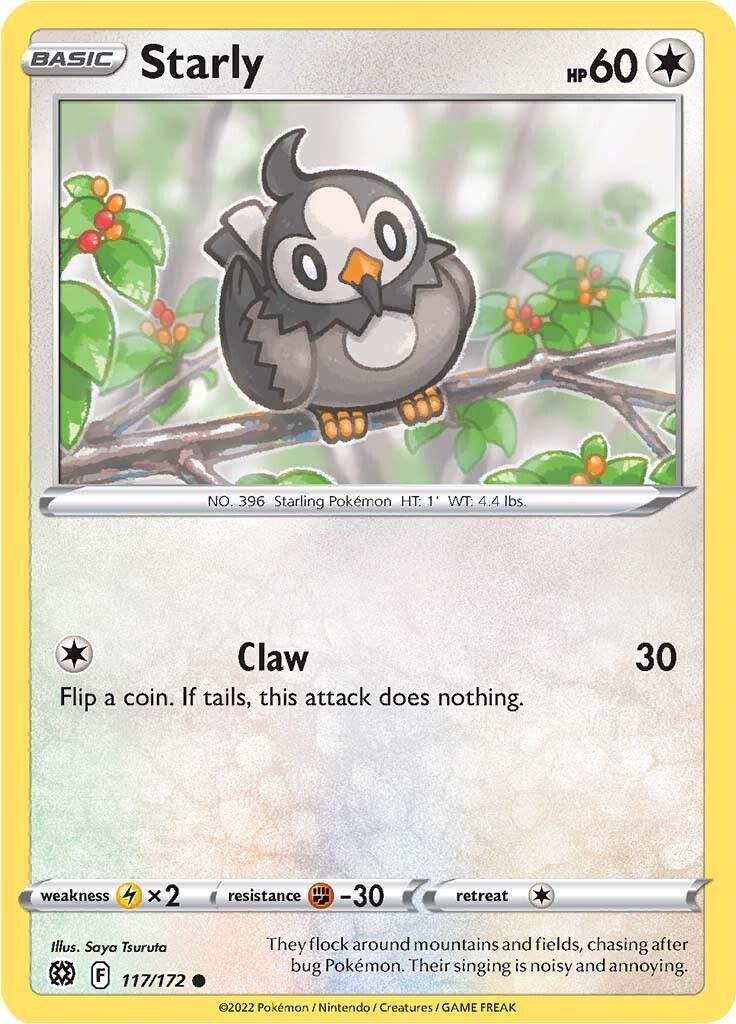
The XY15 Black Star Promo is one of Starly's most recognizable promo cards and stands apart from regular set commons. Promo status gives it stronger display appeal in a slab.
Promo collectors often prefer clean label presentation, so eye appeal matters as much as technical grade.
Estimated value: $0.25
- 10
Starly PSA 10
SM-P Promotional Cards · 2018 · 290/SM-P
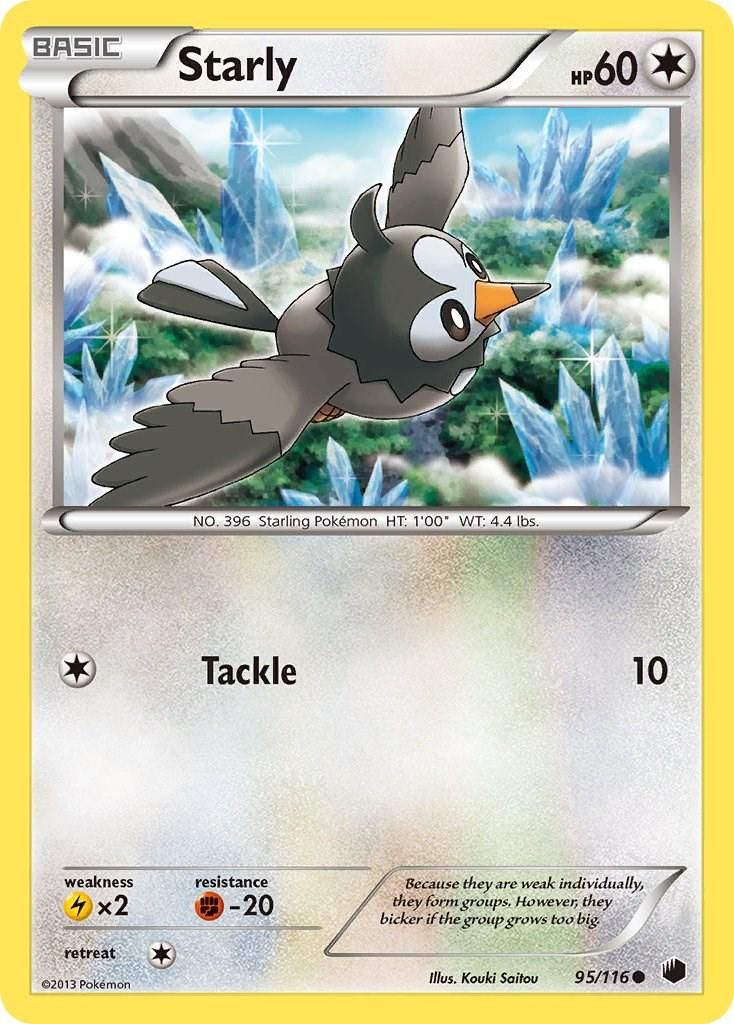
This Japanese promo from the Munch: A Retrospective campaign is the premium Starly card for many advanced collectors. Its limited promo status and famous art collaboration make it the species' most prestigious slab target.
Japanese promo demand can move differently than English cards, so monitor auction results closely before upgrading.
Estimated value: $0.4
Frequently asked questions
What is the rarest Starly card?
For most collectors, the Japanese Munch: A Retrospective promo is the standout rarity because it was released as a limited Japanese promo rather than a standard pack card. Among English cards, the DP-era secret-numbered Starlys are usually the most interesting scarcity targets.
Is PSA 10 Starly worth buying?
Yes, if you are collecting Sinnoh Pokémon, building a species set, or focusing on low-pop commons and promos. The best buys are usually first-appearance DP cards, unusual numbered variants, and distinctive promos with clear collector demand.
How do I find Starly card prices?
Check eBay sold listings, PriceCharting, and PSA population data to compare recent market activity. Slabfolio is also useful for tracking individual slabs and watching how graded prices move over time.
Whether you're building your first graded Starly collection or managing a larger Pokémon card portfolio, tracking real market movement matters. Slabfolio helps collectors organize slabs, monitor values, and follow graded card price changes over time.
Related guides
Best Graded Buizel Cards: Collector & Investor Guide
Buizel is one of the most recognizable Water-type Pokémon introduced in the Diamond & Pearl era, and its cards appeal to collectors who enjoy Sinnoh nostalgia, cheerful artwork, and affordable character-focused runs.
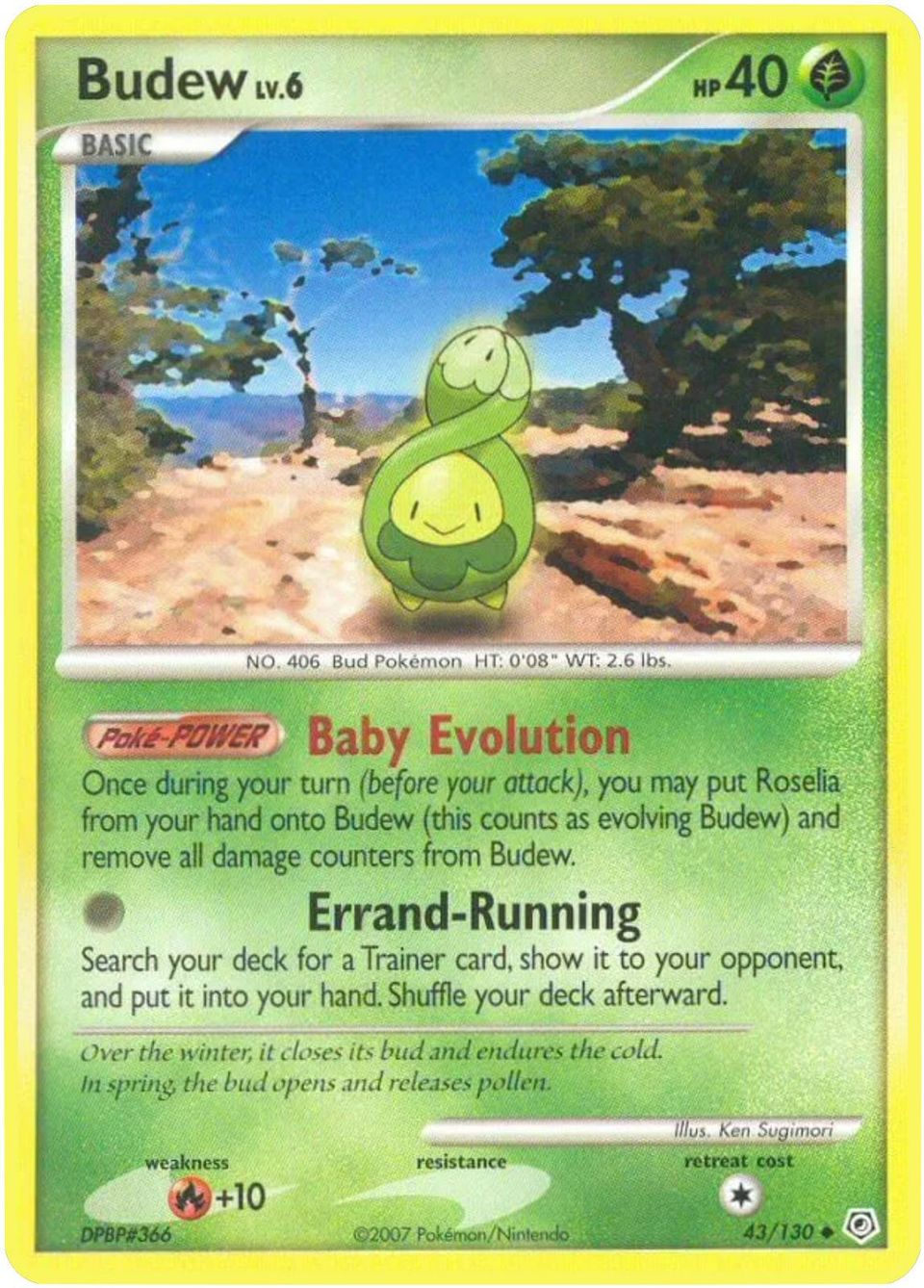
Best Graded Budew Cards: Collector & Investor Guide
Budew is a small Baby Pokémon, but it has a surprisingly focused niche within the Pokémon TCG.
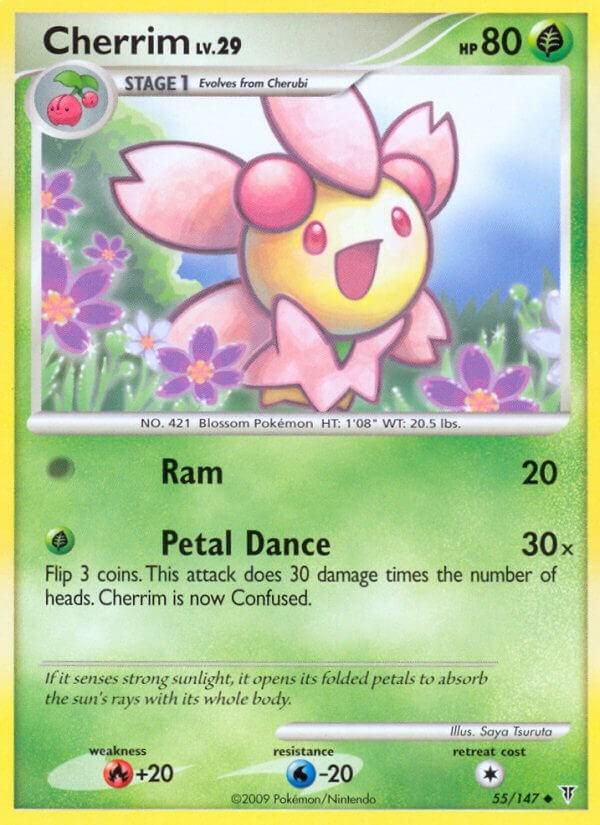
Best Graded Cherrim Cards: Collector & Investor Guide
Cherrim is a niche Sinnoh-era Pokémon, but that is exactly what gives it collector appeal.
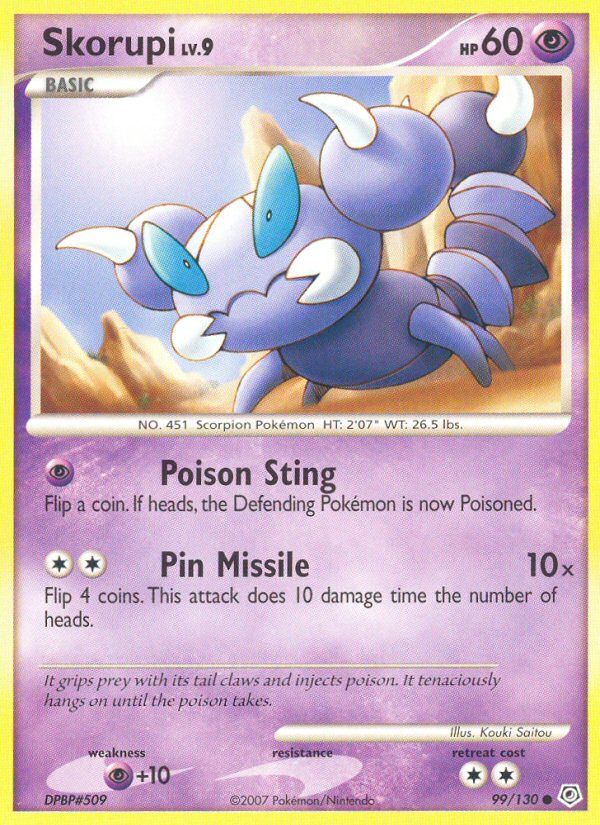
Best Graded Skorupi Cards: Collector & Investor Guide
Skorupi is not a headline Pokémon in the way Charizard or Pikachu is, but that is exactly why it appeals to focused species collectors.
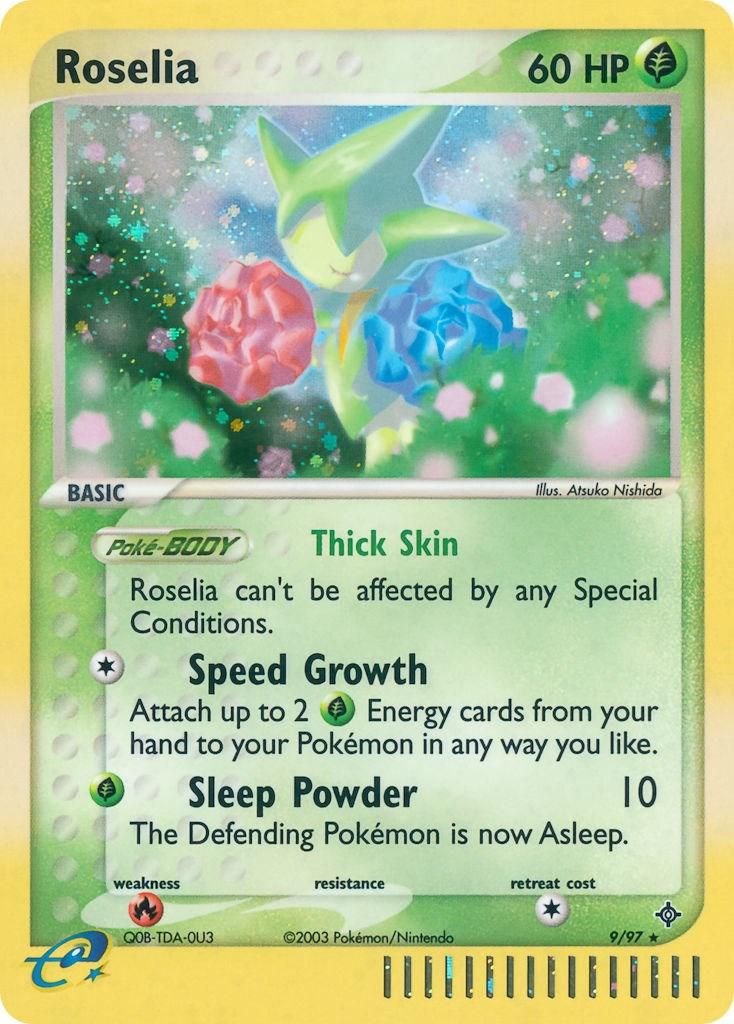
Best Graded Roselia Cards: Collector & Investor Guide
Roselia is a niche favorite that sits in a sweet spot for collectors: it appeared early enough in the EX era to feel nostalgic, but it has also stayed relevant through later Diamond & Pearl, Platinum, and modern Japan...
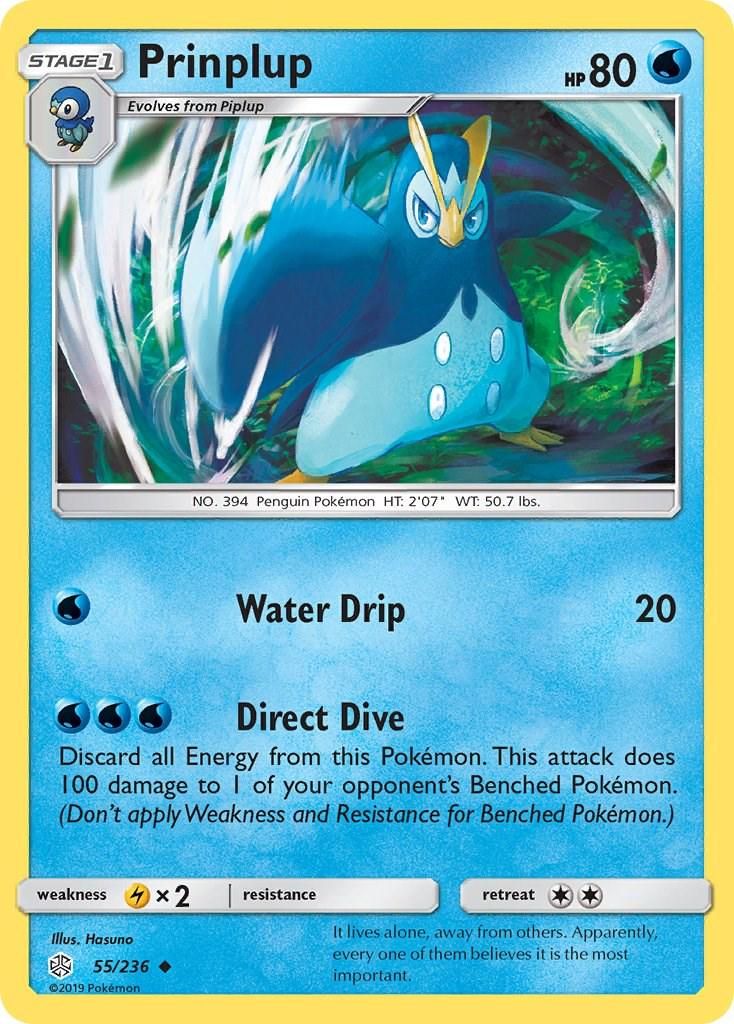
Best Graded Prinplup Cards: Collector & Investor Guide
Prinplup sits in a sweet spot for Sinnoh collectors: it is a true middle-stage starter evolution with strong nostalgia, recognizable Ken Sugimori-era game roots, and a card history that spans the Diamond & Pearl perio...