
Roselia
Best Graded Roselia Cards: Collector & Investor Guide
By Kyle Eggleston · Published May 13, 2026
Roselia is a niche favorite that sits in a sweet spot for collectors: it appeared early enough in the EX era to feel nostalgic, but it has also stayed relevant through later Diamond & Pearl, Platinum, and modern Japanese releases. That gives Roselia collectors a wider card timeline than many non-headliner Pokémon, with attractive artwork and multiple language options. For graded collectors, Roselia is the kind of Pokémon where condition scarcity often matters more than raw hype. Clean PSA, BGS, and CGC slabs help separate truly premium copies from ordinary binder cards, and they make it easier to track value across lower-pop EX-era prints, Japanese exclusives, and tougher high-grade modern reverses.
Why Roselia Cards Are Worth Collecting
Roselia has long appealed to collectors who like elegant artwork, underappreciated Grass-type Pokémon, and cards that are less overexposed than the hobby's biggest names. Its earliest appearances landed during the EX era, a period many collectors now treat as one of the most visually distinctive stretches in the Pokémon TCG. Because Roselia was never printed as a chase mascot on the level of Charizard or Pikachu, high-grade copies can feel more personal and more condition-driven.
Another reason Roselia works well in graded form is variety. You can collect early English EX-era cards, add Japanese ADV and PCG prints, and branch into later era reverse holos and modern Japanese special set cards. That mix gives collectors flexibility, whether they want nostalgia, artwork, population scarcity, or simply a clean species run in slabs.
What Makes a Graded Roselia Card Valuable?
- Grade (PSA 10 commands highest premiums)
- Set and era (vintage vs modern sets)
- Rarity and print run
- Population report scarcity
- Recent sold comps on eBay
- Japanese vs English versions
- PSA 10 vs raw comparison
The Best Graded Roselia Cards to Collect
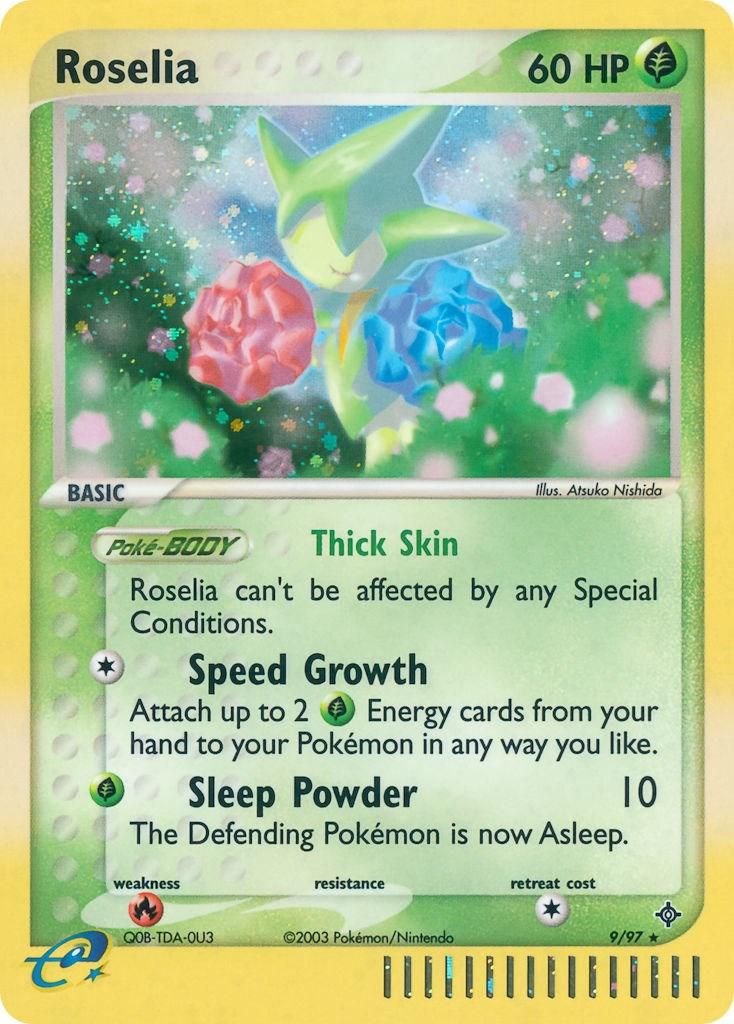
1. Roselia ex Dragon 9/97
Roselia from EX Dragon is one of the most important English Roselia cards because it comes from a highly respected early EX-era set. Even though it is not a holo rare, EX Dragon has strong collector demand, and that helps lift interest in clean, high-grade species cards from the set.
For collectors, this is a strong foundation slab because it represents Roselia's earliest English era appearance in a premium nostalgia window. PSA 10 copies can be tougher than many assume due to EX-era edge and surface issues, so centering and whitening matter a lot.
2. Roselia EX Deoxys 8/107
Roselia from EX Deoxys stands out because the set itself carries a loyal following and features distinctive artwork and printing quality associated with the middle EX era. Species collectors often target EX Deoxys even for non-holo cards because the set has become tougher to complete in elite grade over time.
This is a smart slab for collectors who want an English Roselia with stronger set prestige than later mass-printed releases. Compare PSA 10 pricing against raw near-mint copies carefully, because the gap can widen quickly when population remains modest.
3. Roselia EX Emerald 69/106
EX Emerald is a key set for Pokémon-ex collectors, and even commons and uncommons from the set have gained attention from era-focused builders. Roselia 69/106 is a nice example of a card that remains accessible raw but becomes much more interesting once it earns a gem-mint grade.
This card fits well in a balanced Roselia portfolio because it is recognizable, real EX-era cardboard without requiring top-tier budget commitment. English copies are the natural target for many collectors, but Japanese ADV-era Roselia cards can offer a sharper alternative if you prefer lower print wear.
4. Roselia EX Power Keepers 61/108
Roselia from EX Power Keepers benefits from being part of the final main EX-series set in English, which gives it end-of-era appeal. Power Keepers is also a set many collectors revisit because it sits at the transition point before Diamond & Pearl changed the card frame and broader aesthetic.
A PSA 10 example works well for collectors building one Roselia from each major era. Because Power Keepers had meaningful print volume, value tends to be driven less by rarity and more by how many truly clean copies survive for grading.
5. Roselia Secret Wonders 80/132
Secret Wonders marks Roselia's move into the Diamond & Pearl era, and it offers a different feel from the EX cards that came before it. Collectors who want a species timeline often include this card because it bridges Roselia's early nostalgia with the post-EX expansion of the hobby.
In graded form, this card is usually more affordable than EX-era slabs, making it a good entry point. If you're buying, prioritize strong corners and holo-free surface cleanliness, since lower-end modern-era commons can still be condition sensitive.
6. Roselia Arceus 72/99
Roselia from Arceus has appeal because the set itself remains popular with collectors who enjoy the late Platinum-era design style. It is not the flashiest Roselia ever printed, but it is a meaningful species piece from a set that has become more respected over time.
For budget-conscious slab buyers, this can be an efficient pickup in PSA 10. It is especially useful for collectors who want a broad Roselia run rather than concentrating only on EX-era cards.
7. Roselia Boundaries Crossed 12/149
Boundaries Crossed is not usually the first place species collectors look, which can make Roselia 12/149 a quietly smart card in high grade. Black & White era cards are old enough now to attract nostalgia, but they still often trade below equivalent EX-era slabs.
The collector angle here is selectivity: buy the best grade you can and focus on presentation. A crisp PSA 10 can stand out more than a stack of raw copies, especially for a Pokémon like Roselia where condition collecting is part of the fun.
8. Roselia Plasma Freeze 8/116
Plasma Freeze gives Roselia a Black & White-era appearance in a set with a dedicated fan base. Set collectors and species collectors overlap here, which helps support long-term interest in well-graded copies.
This is a good card to watch in PSA 10 because Black & White commons and uncommons are still relatively approachable, but that won't always be the case as more collectors build era runs. It's also a nice contrast piece beside earlier EX-era Roselia slabs.
9. Roselia Japanese Miracle of the Desert 006/053
The Japanese Miracle of the Desert Roselia is a standout for collectors who want authentic ADV-era cardboard in its original language. Japanese PCG cards from this period are often admired for print quality, and species collectors frequently prefer them when English options are limited or more condition sensitive.
This card is especially attractive if you collect set-by-set Roselia appearances across languages. High-grade Japanese copies can offer better eye appeal than equivalent English cards, though prices can vary depending on availability and submission volume.
10. Roselia Japanese Triplet Beat 006/073
Triplet Beat brought Roselia into the Scarlet & Violet era in Japanese, giving collectors a modern option with sharp print quality and broad availability. While it lacks the nostalgia premium of the EX era, it can still be a satisfying slab because modern PSA 10 examples present beautifully and are easy to display in a species collection.
For investors, modern Roselia should be approached more selectively than early-era cards. For collectors, though, it is a clean way to keep a Roselia run current and add a polished modern Japanese card to the lineup.
Vintage vs Modern Roselia Cards
Roselia's earliest cards from the EX and Japanese ADV/PCG years tend to be the strongest long-term collector pieces because they combine age, lower surviving gem-mint supply, and era nostalgia. Modern Roselia cards are usually easier to find and grade well, so they work better as affordable species additions than as scarcity-driven investments. In practice, the best Roselia collections usually blend one or two cornerstone EX-era slabs with a few later cards that show the Pokémon's full print history.
How to Track Roselia Card Prices
Use eBay sold listings, PriceCharting, and PSA pop reports to gauge value. Slabfolio lets you look up graded card prices, upload your slab, and track your portfolio in one place.
FAQ
What is the rarest Roselia card?
Among widely recognized Roselia cards, tough high-grade EX-era copies and lower-pop Japanese ADV or PCG prints tend to be the hardest to source consistently. There is no Roselia Gold Star, so rarity usually comes from condition scarcity and lower graded populations rather than a marquee chase subtype.
Is PSA 10 Roselia worth buying?
Yes, if you are buying selectively and focusing on the right era. PSA 10 Roselia slabs from EX-era or scarcer Japanese releases usually make more sense for collectors than mass-printed modern copies, unless your goal is a complete species run.
How do I find Roselia card prices?
Check eBay sold listings for real market comps, compare with PriceCharting where available, and review PSA population data to understand supply. Slabfolio is useful for tracking slab values over time once you know the exact set and card number.
Prices as of Oct 21, 2026
- 1
Roselia PSA 10
EX Dragon · 2003 · 9/97
Roselia 9/97 from EX Dragon is one of the earliest English Roselia cards and a core species collectible from the first wave of EX-era expansions. Its appeal comes from set prestige, age, and the challenge of finding genuinely clean copies.
Prioritize strong centering and check carefully for edge whitening, which is common on EX-era stock.
Estimated value: $14.99
- 2
Roselia PSA 10
EX Deoxys · 2005 · 8/107
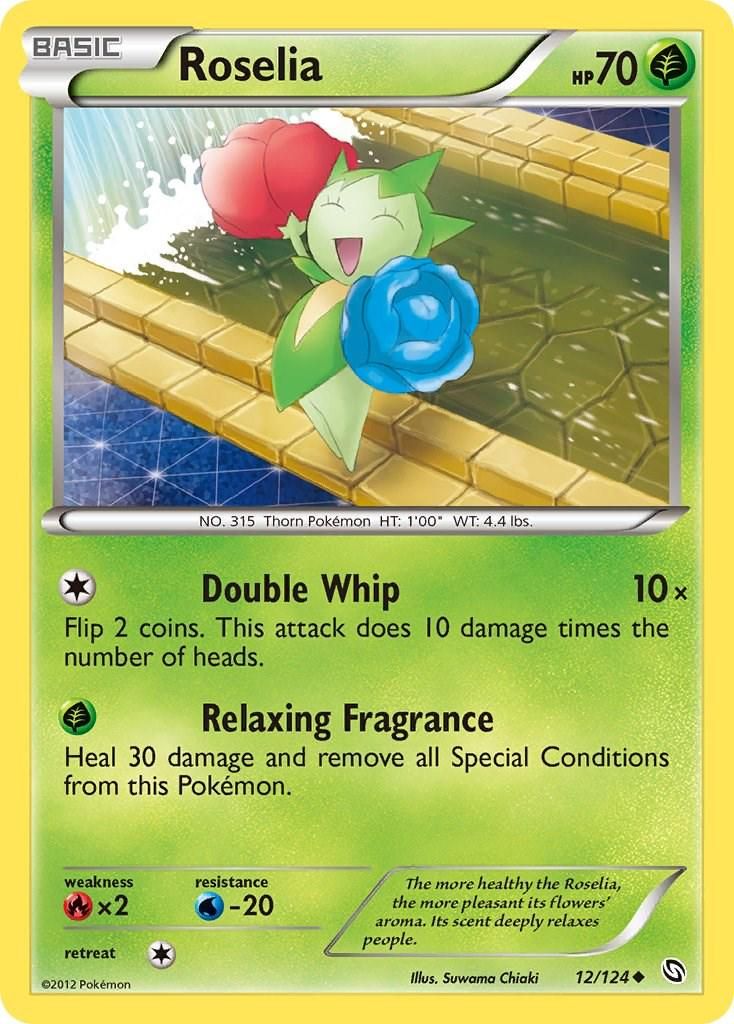
EX Deoxys remains a respected mid-EX-era set, and Roselia 8/107 benefits from that broader collector interest. High-grade species cards from this expansion have become more closely watched as EX-era set builders compete for top-condition examples.
Look for copies with clean surfaces, since scratches and print wear can hold back grade results.
Estimated value: $0.89
- 3
Roselia PSA 10
EX Emerald · 2005 · 69/106
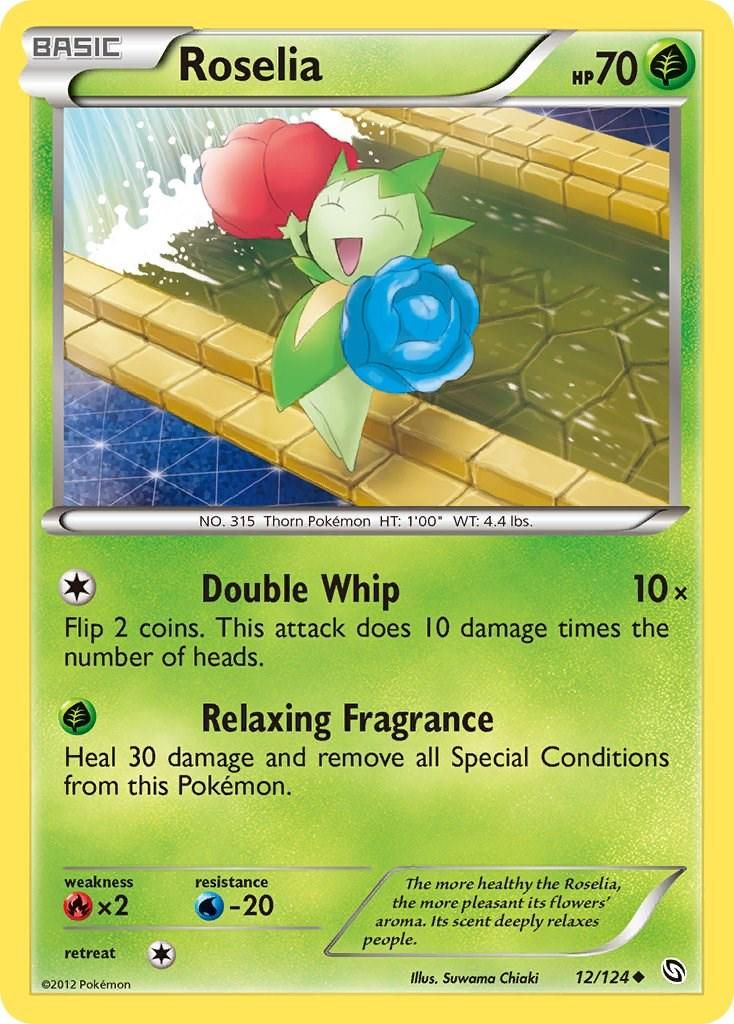
Roselia 69/106 from EX Emerald is a classic example of an EX-era common that becomes far more interesting in top grade. It appeals to both Roselia collectors and fans of the Emerald-era release lineup.
This is a good card to buy already graded, since raw EX-era commons are often rougher than listing photos suggest.
Estimated value: $0.89
- 4
Roselia PSA 10
EX Power Keepers · 2007 · 61/108
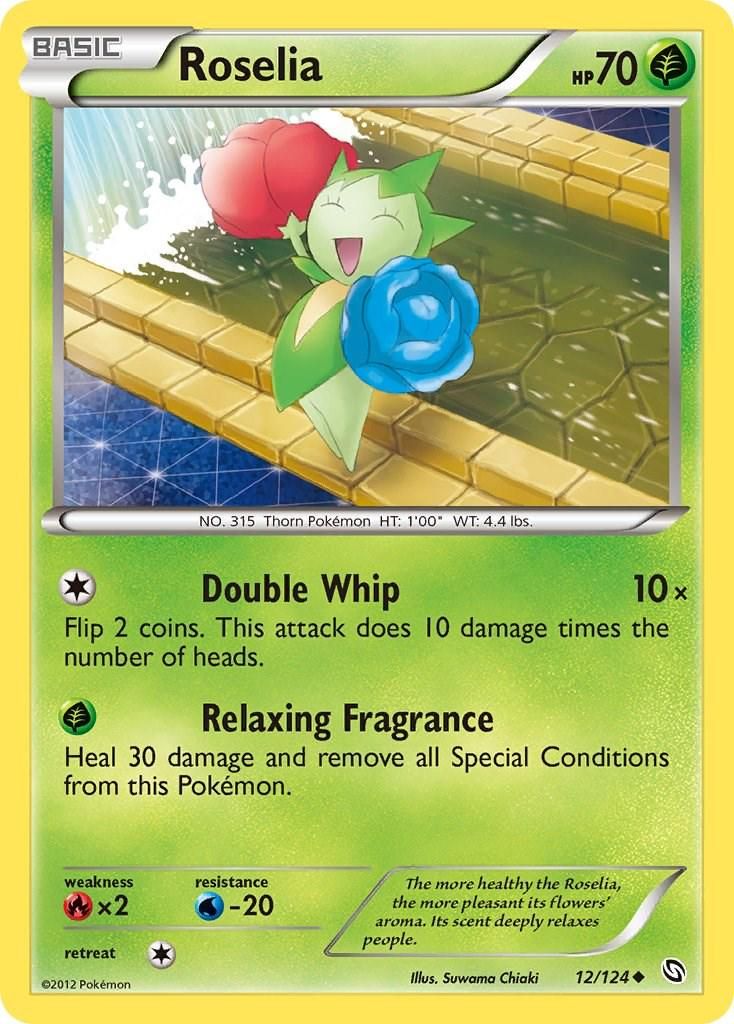
As part of the final English EX set, Roselia 61/108 carries end-of-era significance that many collectors appreciate. It is not rare in raw form, but top-grade copies fit nicely into EX completion and species-focused slab runs.
A sharp PSA 10 is usually more desirable than chasing multiple raw copies from this late EX release.
Estimated value: $0.89
- 5
Roselia PSA 10
Secret Wonders · 2007 · 80/132
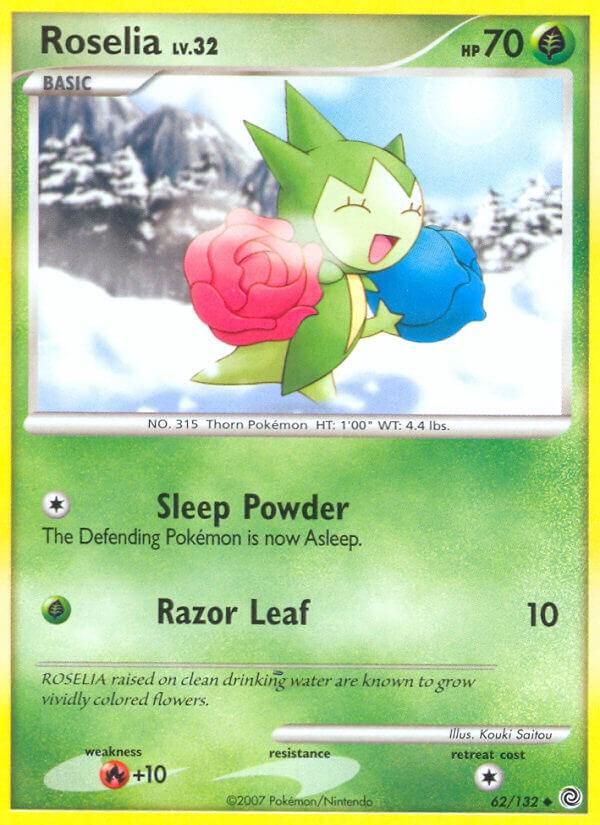
Secret Wonders 80/132 represents Roselia in the Diamond & Pearl era and gives species collectors a clean transition away from EX-era styling. It is a practical slab target for collectors building a full Roselia chronology.
Because this card is usually affordable, hold out for strong eye appeal rather than settling for a lower-grade example.
Estimated value: $0.71
- 6
Roselia PSA 10
Arceus · 2009 · 72/99
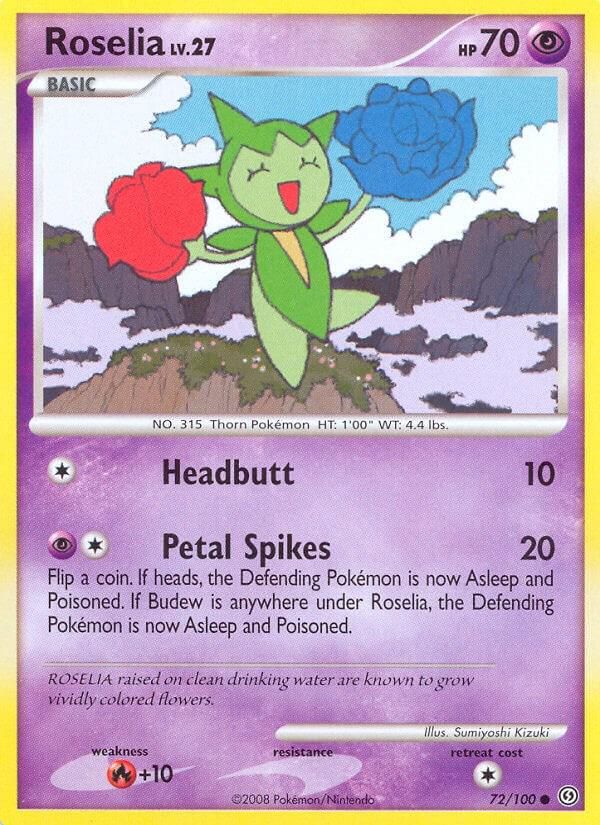
Roselia 72/99 from Arceus is a late Platinum-era species card tied to a set with a stable collector base. It tends to be more affordable than EX-era Roselia while still carrying meaningful vintage-adjacent appeal.
This is a useful budget slab if you want an older Roselia card without paying EX-era premiums.
Estimated value: $0.46
- 7
Roselia PSA 10
Boundaries Crossed · 2012 · 12/149
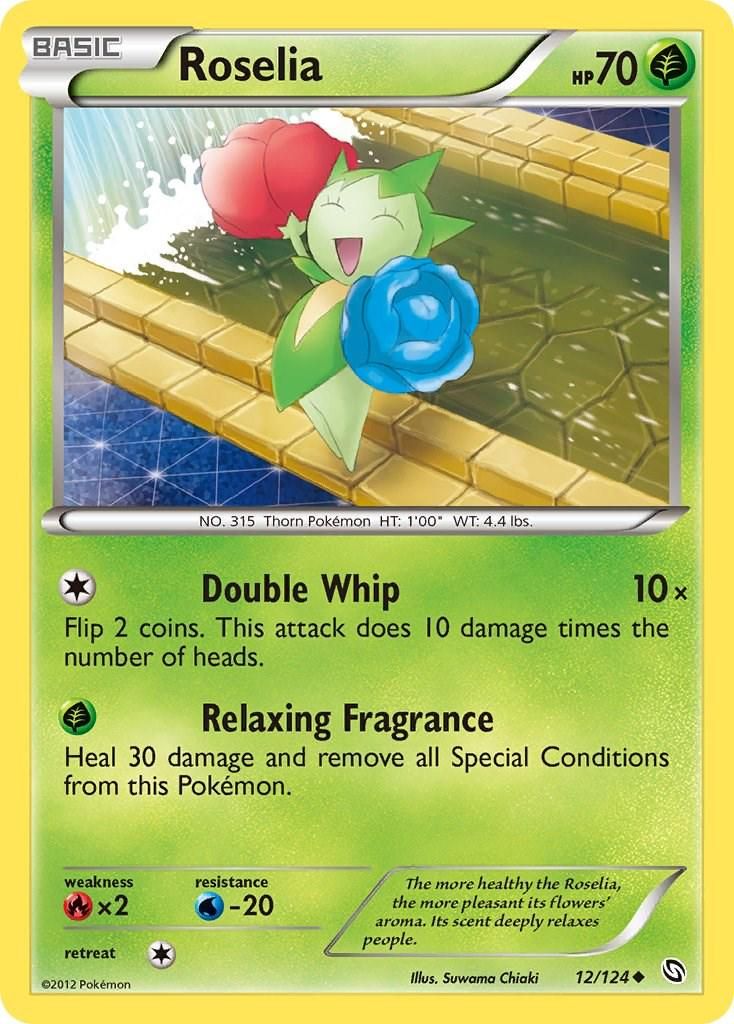
Boundaries Crossed 12/149 is a quieter Roselia release from the Black & White era, but that under-the-radar status can make gem-mint copies surprisingly appealing. It works well as a secondary pickup after the core EX-era cards.
If possible, compare several PSA 10s for centering, since premium presentation matters more on modern commons.
Estimated value: $0.89
- 8
Roselia PSA 10
Plasma Freeze · 2013 · 8/116
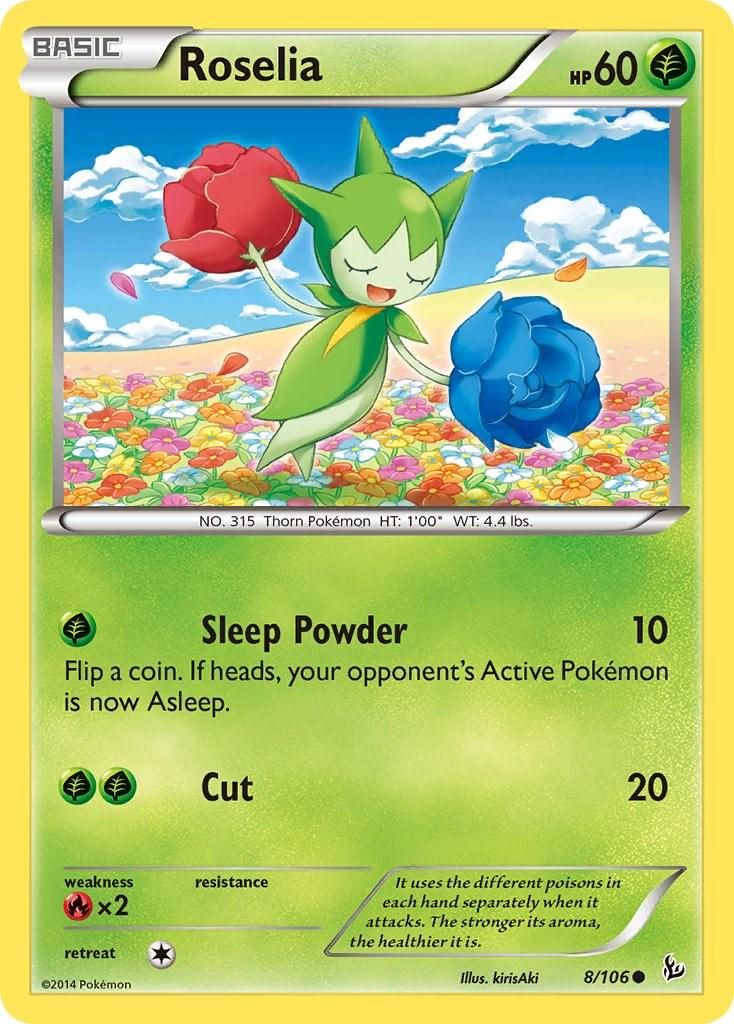
Roselia 8/116 comes from Plasma Freeze, a set with loyal Black & White-era collectors and solid long-term interest. Species collectors often like it because it adds a distinct era and frame style to a graded Roselia lineup.
This can be a smart add-on slab when bundled with other Black & White cards to reduce acquisition cost.
Estimated value: $0.35
- 9
Roselia PSA 10
Miracle of the Desert · 2004 · 006/053
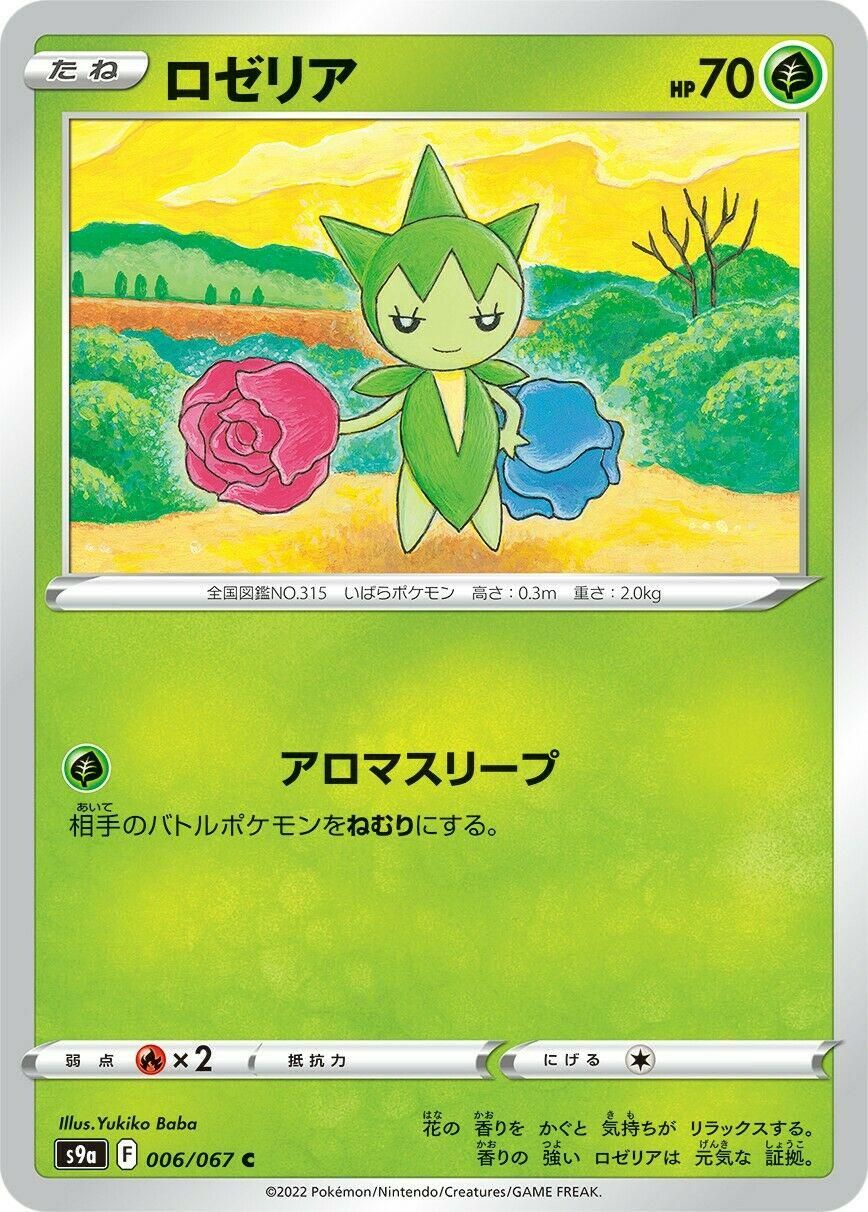
The Japanese Miracle of the Desert Roselia is one of the better ADV-era options for collectors who want original-language print quality and lower-profile scarcity. It has strong appeal among species collectors who appreciate Japanese-exclusive set structure and era authenticity.
Japanese ADV cards often present better than English counterparts, but still inspect for subtle edge wear before buying.
Estimated value: $1.88
- 10
Roselia PSA 10
Triplet Beat · 2023 · 006/073
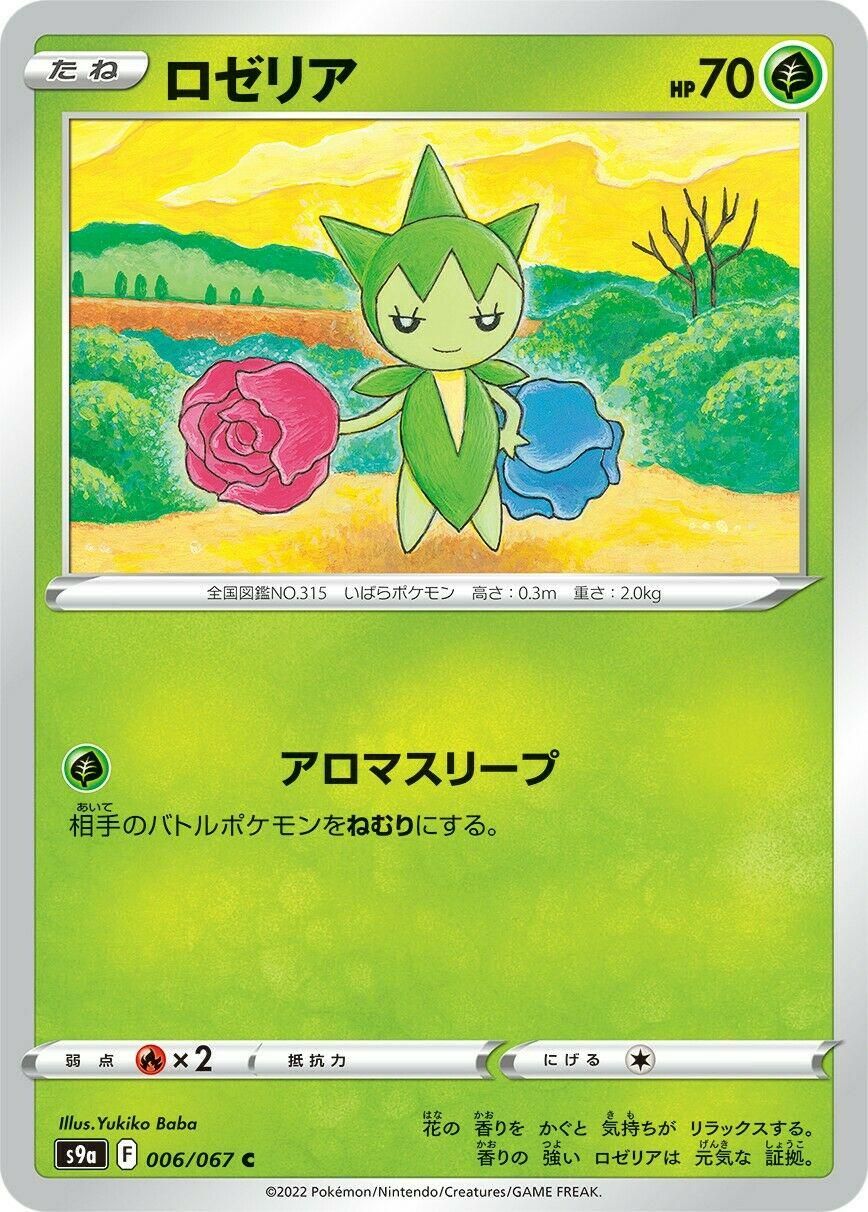
Triplet Beat 006/073 gives Roselia a modern Japanese Scarlet & Violet-era appearance with strong print quality and clean slab presentation. While not scarce in the same way as older cards, it is a nice modern anchor for a complete Roselia collection.
Treat this as a display-first modern slab unless you are specifically building a full Japanese Roselia run.
Estimated value: $1.88
Frequently asked questions
What is the rarest Roselia card?
Among widely recognized Roselia cards, tough high-grade EX-era copies and lower-pop Japanese ADV or PCG prints tend to be the hardest to source consistently. There is no Roselia Gold Star, so rarity usually comes from condition scarcity and lower graded populations rather than a marquee chase subtype.
Is PSA 10 Roselia worth buying?
Yes, if you are buying selectively and focusing on the right era. PSA 10 Roselia slabs from EX-era or scarcer Japanese releases usually make more sense for collectors than mass-printed modern copies, unless your goal is a complete species run.
How do I find Roselia card prices?
Check eBay sold listings for real market comps, compare with PriceCharting where available, and review PSA population data to understand supply. Slabfolio is useful for tracking slab values over time once you know the exact set and card number.
Whether you're building your first graded Roselia collection or managing a larger Pokémon card portfolio, tracking real market movement matters. Slabfolio helps collectors organize slabs, monitor values, and follow graded card price changes over time.
Related guides
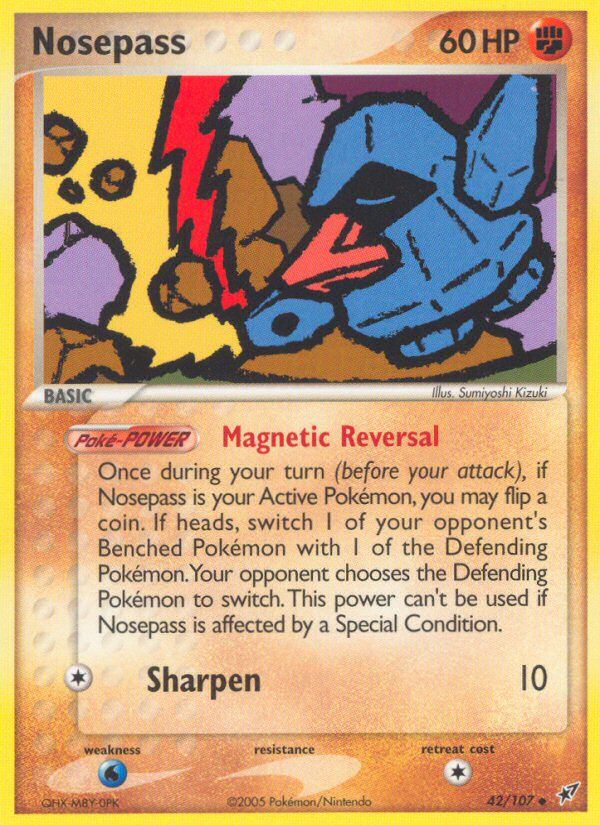
Best Graded Nosepass Cards: Collector & Investor Guide
Nosepass is a niche favorite for collectors who appreciate early Hoenn-era Pokémon, distinctive artwork, and binder runs built around overlooked species.
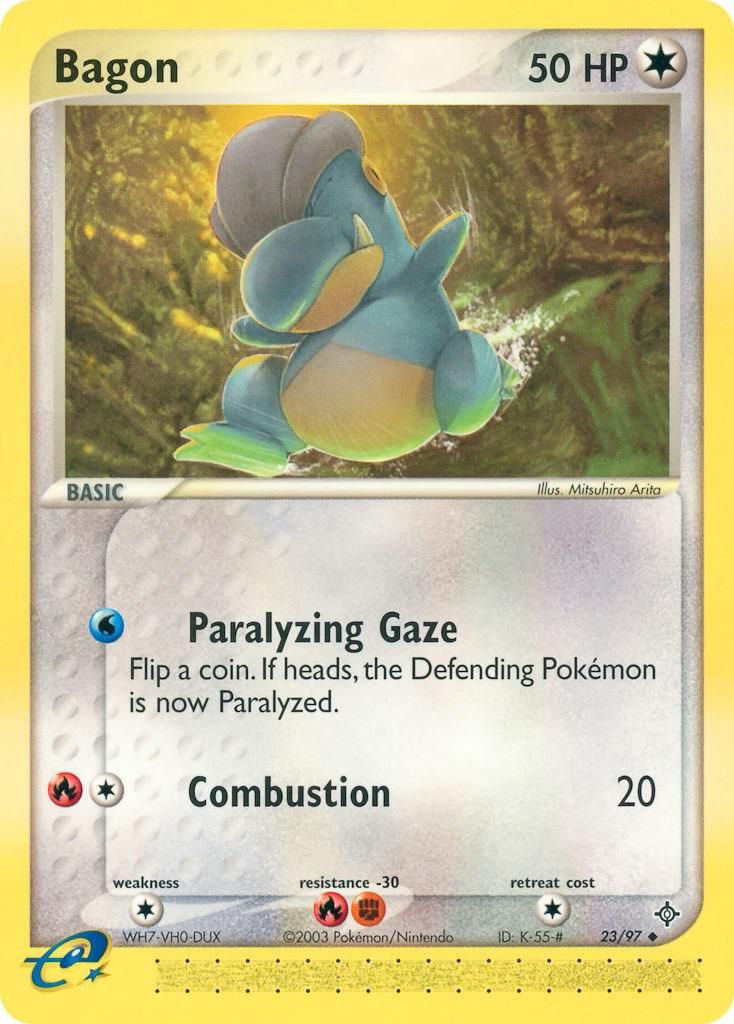
Best Graded Bagon Cards: Collector & Investor Guide
Bagon has never been a headline chase Pokémon on the level of Charizard or Pikachu, but that is exactly why many seasoned collectors enjoy it.
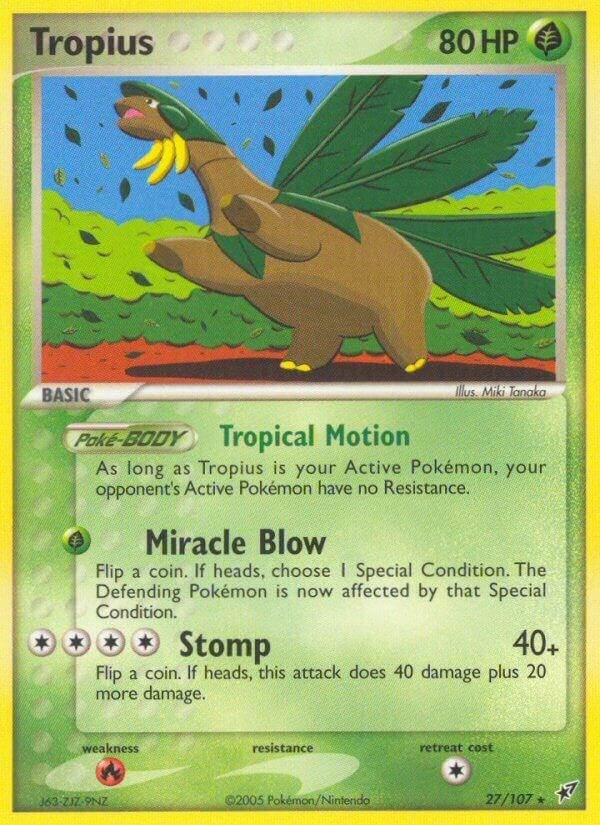
Best Graded Tropius Cards: Collector & Investor Guide
Tropius has never been a headline chase Pokémon, but that is exactly why many collectors enjoy it.
Best Graded Aron Cards: Collector & Investor Guide
Aron is a small Steel-type with a surprisingly deep collector niche.
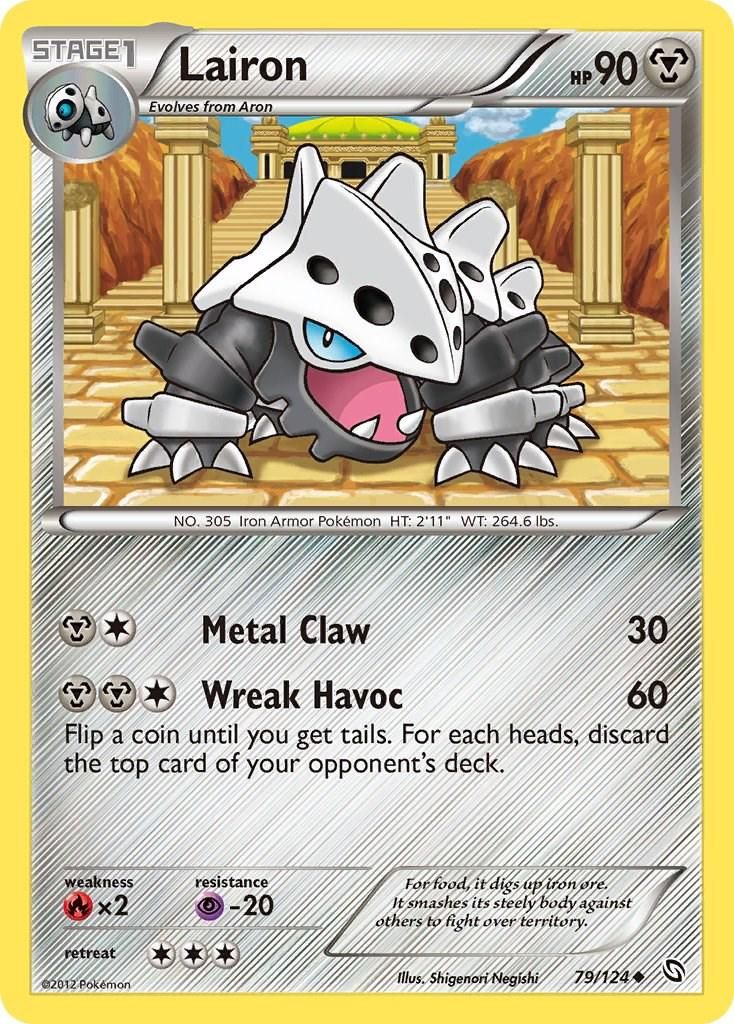
Best Graded Lairon Cards: Collector & Investor Guide
Lairon is a niche favorite for collectors who appreciate the Hoenn era, Steel-type artwork, and the evolutionary line that leads into Aggron.
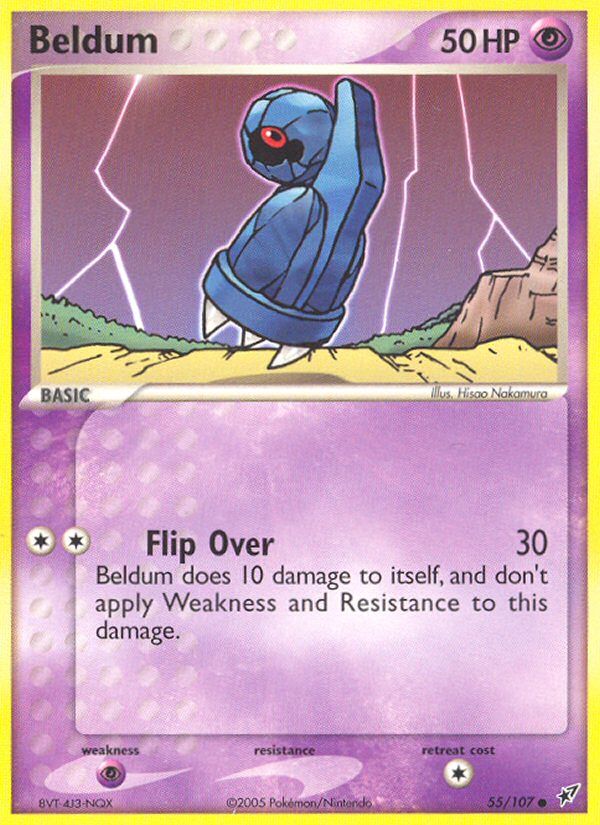
Best Graded Beldum Cards: Collector & Investor Guide
Beldum is a niche but surprisingly appealing Pokémon to collect, especially for fans of the Hoenn era and the full Beldum-to-Metagross evolution line.