
Skorupi
Best Graded Skorupi Cards: Collector & Investor Guide
By Kyle Eggleston · Published May 13, 2026
Skorupi is not a headline Pokémon in the way Charizard or Pikachu is, but that is exactly why it appeals to focused species collectors. Its card history is concentrated in the Diamond & Pearl, Platinum, HeartGold & SoulSilver, and modern Scarlet & Violet eras, giving collectors a compact but interesting chase across multiple generations of Pokémon TCG design. For graded-card buyers, Skorupi is a smart niche because condition sensitivity, lower submission volume, and species-completion demand can all influence value over time. PSA, BGS, and CGC slabs make it easier to compare centering, surface, and scarcity, while population reports and sold listings help collectors separate truly tough high-grade copies from cards that are simply inexpensive raw.
Why Skorupi Cards Are Worth Collecting
Skorupi cards appeal to species collectors because they sit in a sweet spot between affordability and genuine set diversity. The Pokémon debuted in the Diamond & Pearl era, so its earliest cards carry that mid-2000s nostalgia that many collectors now actively chase. Even without marquee ultra rares, Skorupi appears in several recognizable expansions with artwork styles that range from simple early-era layouts to more dynamic modern illustrations.
Another advantage is that graded Skorupi cards can still be assembled without the budget pressure attached to more famous Pokémon. That makes the species ideal for collectors who enjoy building clean PSA 10 runs, targeting low-pop commons from older sets, or mixing English and Japanese printings for a more complete portfolio.
What Makes a Graded Skorupi Card Valuable?
- Grade (PSA 10 commands highest premiums)
- Set and era (vintage vs modern sets)
- Rarity and print run
- Population report scarcity
- Recent sold comps on eBay
- Japanese vs English versions
- PSA 10 vs raw comparison
The Best Graded Skorupi Cards to Collect
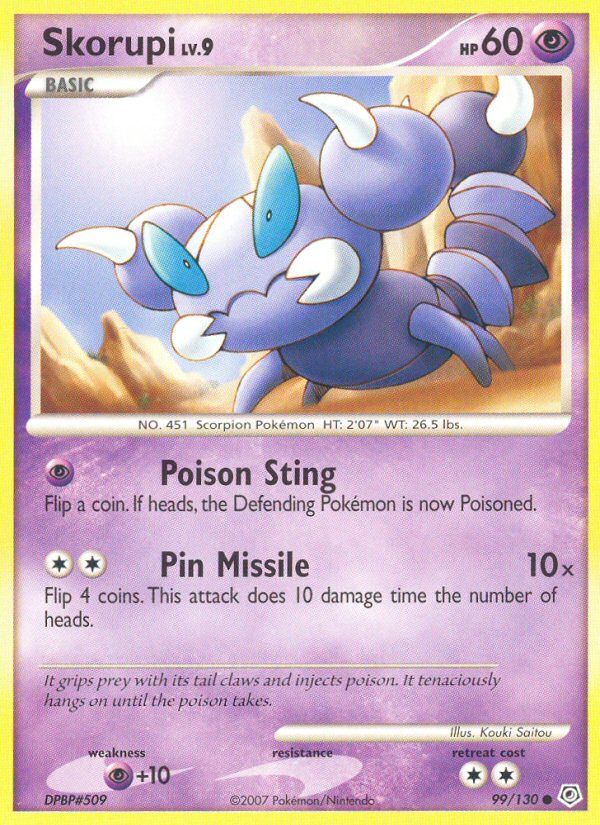
1. Skorupi - Diamond & Pearl 99/130
This is the foundational English Skorupi card and the natural starting point for serious species collectors. As Skorupi's earliest appearance in the Diamond & Pearl base set, it carries first-appearance appeal that matters even more in PSA 10, where older commons often become surprisingly tough to source with clean edges and strong centering.
For collectors, this is the card that anchors a Skorupi run. English copies tend to be the default checklist piece, while the Japanese equivalent appeals to DP-era completists who prefer earlier Japanese release timing and often sharper print quality.
2. Skorupi - Mysterious Treasures 98/123
Mysterious Treasures is a respected Diamond & Pearl expansion, and Skorupi's inclusion here gives collectors a second early-era target with a different artwork and print profile. Compared with the base-set version, this card feels more like a deeper collector pick rather than a pure first-appearance chase.
In graded form, commons from 2007-era sets can be tougher than raw prices suggest. Buyers should compare PSA 10 populations and sold listings before assuming this card is easy to replace.
3. Skorupi - Secret Wonders 103/132
Secret Wonders remains a popular set among Diamond & Pearl collectors, and Skorupi 103/132 benefits from that broader set recognition. It is not flashy, but that is often where niche species collecting gets interesting: many of the best long-term holds are obscure commons from loved expansions that were never widely preserved in gem-mint condition.
For a slab buyer, this is a card where eye appeal matters. Prioritize crisp front centering and clean corners, since older common-card buyers are increasingly selective even at the lower end of the market.
4. Skorupi - Great Encounters 92/106
Great Encounters is an important DP-era release, and Skorupi 92/106 gives collectors another early, legitimate set-card target from the period when the species was still relatively fresh in the TCG. It is a good example of how species collecting rewards patience rather than headline rarity.
English copies are usually the priority for set-based collectors, but Japanese DP cards from the same era can offer a different collecting angle if you want artwork variety and potentially stronger print consistency.
5. Skorupi - Majestic Dawn 73/100
Majestic Dawn has a strong collector following, and Skorupi 73/100 stands out as one of the cleaner Diamond & Pearl-era additions to a graded species run. Because Majestic Dawn is a more recognizable set name to many collectors, slabbed examples can attract crossover interest from both Pokémon species collectors and set registrants.
This is a good buy when you can find strong subgrades or high-end PSA 9s at a discount to PSA 10. With commons, the premium jump can be steep relative to the raw card.
6. Skorupi - Platinum 79/127
Platinum marks the transition from the early Diamond & Pearl block into another iconic era of Pokémon TCG collecting. Skorupi 79/127 is valuable less for rarity and more for chronology: it is an essential bridge card for anyone trying to build a full era-spanning Skorupi collection.
Collectors should pay attention to slab liquidity here. Platinum commons do not always trade frequently, so the right PSA 10 can be worth holding for the next species collector rather than expecting constant market volume.
7. Skorupi - Arceus 66/99
Skorupi 66/99 from Arceus is one of the more notable later-era cards for the species because Arceus has become a memorable Platinum-series set in its own right. That broader set popularity gives this card a bit more collector visibility than a typical common from the period.
If you are choosing between multiple graded Skorupi cards from the late DP/Pt window, Arceus is a strong priority because recognizable set branding often helps long-term desirability.
8. Skorupi - HS. Undaunted 63/90
HeartGold & SoulSilver-era cards have a distinct collector base, and Skorupi 63/90 is important because it places the species into that HGSS design framework. For Skorupi collectors, this card adds visual variety and era diversity beyond the Diamond & Pearl and Platinum-heavy checklist.
PSA 10 copies can be attractive simply because many HGSS commons were not preserved with grading in mind. It is a smart species-collection pickup for buyers who want at least one slab from each major era of Skorupi's history.
9. Skorupi - Steam Siege 66/114
Steam Siege is a much more modern and accessible set, but that accessibility can help collectors build a complete graded Skorupi lineup without overpaying. Skorupi 66/114 is not the most prestigious card on the list, yet it matters because it shows the species' continuity into the XY period.
This is often a good entry-level slab for newer collectors. If PSA 10 pricing stays reasonable, it can serve as a low-risk addition while you wait for scarcer DP-era slabs to surface.
10. Skorupi - Scarlet & Violet 127/198
Scarlet & Violet 127/198 is the modern anchor for Skorupi collectors and a useful comparison point against the species' earlier cards. Modern print quality can make gem-mint copies easier to find, but that does not eliminate demand from players-turned-collectors who want a current-era example in a top holder.
For investors, modern Skorupi cards are usually less about rarity and more about timing, grading spreads, and long-term species demand. It is best viewed as a complement to older slabs rather than a replacement for them.
Vintage vs Modern Skorupi Cards
Skorupi does not have true Wizards-era vintage cardboard, so its earliest Diamond & Pearl appearances function as its key legacy cards. Those 2007-2009 issues typically offer better long-term collector intrigue because they combine first-era nostalgia with lower preserved gem-mint supply. Modern cards like Steam Siege and Scarlet & Violet are usually easier to find in high grade, making them better for affordable completion and registry-building than for pure scarcity-driven investing.
How to Track Skorupi Card Prices
Use eBay sold listings, PriceCharting, and PSA pop reports to gauge value. Slabfolio lets you look up graded card prices, upload your slab, and track your portfolio in one place.
FAQ
What is the rarest Skorupi card?
Among English releases, the earliest Diamond & Pearl-era Skorupi cards in PSA 10 are often the toughest to source consistently because they were printed before mass grading of commons became common. In practice, rarity usually depends more on high-grade population than on the raw card itself.
Is PSA 10 Skorupi worth buying?
Yes, if you collect by species, set era, or low-pop commons. PSA 10 Skorupi cards are usually a niche buy, but that niche can be attractive because competition is lower and completion demand is more focused.
How do I find Skorupi card prices?
Check eBay sold listings for actual transaction history, compare raw versus graded copies on PriceCharting, and review PSA population data to understand scarcity. Tools like Slabfolio make it easier to monitor those price changes in one place.
Prices as of Oct 21, 2026
- 1
Skorupi PSA 10
Diamond & Pearl · 2007 · 99/130
Skorupi's first English TCG appearance came in the Diamond & Pearl base set. That debut status gives it the strongest historical importance in any Skorupi-focused graded collection.
Prioritize this card first if you want the species' earliest English slab.
Estimated value: $0.83
- 2
Skorupi PSA 10
Mysterious Treasures · 2007 · 98/123
This early Diamond & Pearl-era Skorupi appears in Mysterious Treasures, a respected second-set release from the block. It is a strong chase for collectors building a complete DP-era run.
Check for whitening carefully, because older commons can hide edge wear in slabs with lower-resolution scans.
- 3
Skorupi PSA 10
Secret Wonders · 2007 · 103/132
Secret Wonders is a recognizable DP expansion, and Skorupi 103/132 is one of the better niche pickups from that set for species collectors. Its appeal comes from set recognition plus relatively low mainstream grading attention.
Buy the best eye appeal you can find, since common-card PSA 10 buyers are increasingly picky.
- 4
Skorupi PSA 10
Great Encounters · 2008 · 92/106
Great Encounters adds another legitimate early-era Skorupi to the checklist and helps define the species' strongest collecting window. It is especially relevant for collectors focused on complete English appearances.
This is a good middle-tier target after securing the Diamond & Pearl base card.
- 5
Skorupi PSA 10
Majestic Dawn · 2008 · 73/100
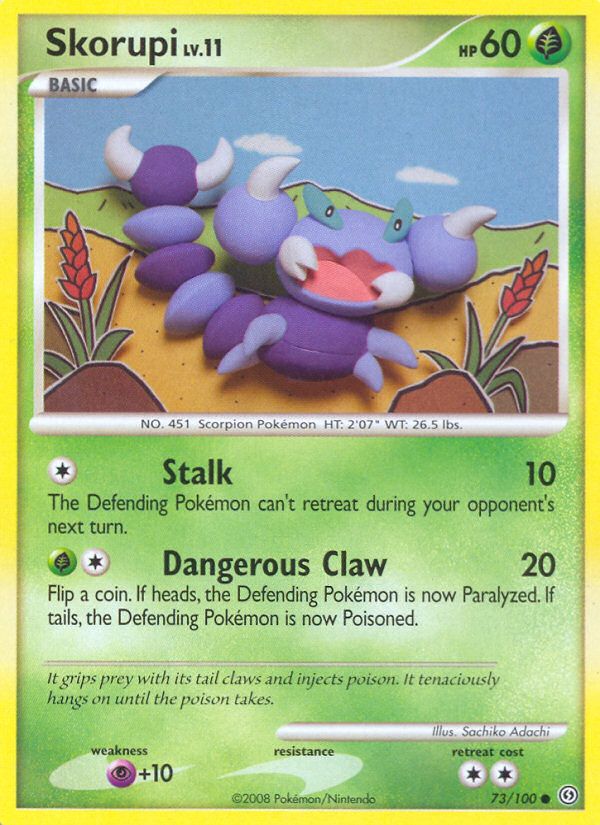
Majestic Dawn has a loyal collector base, and Skorupi 73/100 benefits from that set-level demand. It is one of the cleaner ways to deepen a graded Skorupi lineup beyond the species' first appearances.
If PSA 10 is expensive, a strong PSA 9 can still be a very satisfying set piece.
Estimated value: $1.06
- 6
Skorupi PSA 10
Platinum · 2009 · 79/127
Platinum 79/127 represents Skorupi's transition into the Platinum series and is an essential chronological card for a full species run. It is less about rarity and more about era coverage and collector completeness.
Expect lower liquidity than star Pokémon, so patience can help when buying or selling.
- 7
Skorupi PSA 10
Arceus · 2009 · 66/99
Arceus is one of the more memorable Platinum-era sets, which gives this Skorupi stronger collector visibility than many other commons. It is a smart pickup for anyone balancing species collecting with notable-set collecting.
Arceus branding helps this card stand out, so it is worth prioritizing over less recognized late-era commons.
- 8
Skorupi PSA 10
HS. Undaunted · 2010 · 63/90
This HeartGold & SoulSilver-era appearance matters because it broadens Skorupi's collector story beyond Diamond & Pearl and Platinum. HGSS cards have a distinct visual identity that many modern collectors actively seek in slabs.
A PSA 10 from the HGSS era adds useful diversity to a Skorupi portfolio.
- 9
Skorupi PSA 10
Steam Siege · 2016 · 66/114
Steam Siege keeps Skorupi relevant in the XY era and offers an affordable modern-ish slab target for completionists. It lacks first-appearance prestige but helps round out a species timeline nicely.
Use this as an entry-level PSA 10 while you hunt scarcer DP-era copies.
- 10
Skorupi PSA 10
Scarlet & Violet · 2023 · 127/198
Scarlet & Violet 127/198 is the clean modern reference point for Skorupi collectors. It is easy to appreciate as a current-era card and helps connect older species chases to today's grading market.
Modern PSA 10 copies are usually easier to source, so focus on buying at the right price rather than rushing.
Frequently asked questions
What is the rarest Skorupi card?
Among English releases, the earliest Diamond & Pearl-era Skorupi cards in PSA 10 are often the toughest to source consistently because they were printed before mass grading of commons became common. In practice, rarity usually depends more on high-grade population than on the raw card itself.
Is PSA 10 Skorupi worth buying?
Yes, if you collect by species, set era, or low-pop commons. PSA 10 Skorupi cards are usually a niche buy, but that niche can be attractive because competition is lower and completion demand is more focused.
How do I find Skorupi card prices?
Check eBay sold listings for actual transaction history, compare raw versus graded copies on PriceCharting, and review PSA population data to understand scarcity. Tools like Slabfolio make it easier to monitor those price changes in one place.
Whether you're building your first graded Skorupi collection or managing a larger Pokémon card portfolio, tracking real market movement matters. Slabfolio helps collectors organize slabs, monitor values, and follow graded card price changes over time.
Related guides
Best Graded Budew Cards: Collector & Investor Guide
Budew is a small Baby Pokémon, but it has a surprisingly focused niche within the Pokémon TCG.
Best Graded Buizel Cards: Collector & Investor Guide
Buizel is one of the most recognizable Water-type Pokémon introduced in the Diamond & Pearl era, and its cards appeal to collectors who enjoy Sinnoh nostalgia, cheerful artwork, and affordable character-focused runs.
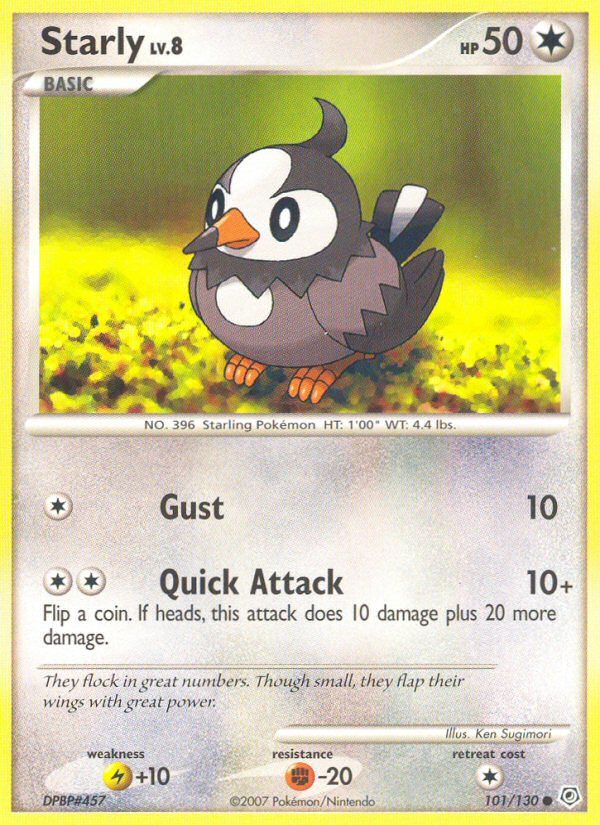
Best Graded Starly Cards: Collector & Investor Guide
Starly is one of the defining common Pokémon of the Diamond & Pearl era, making it a quietly important target for collectors who appreciate early Sinnoh nostalgia.
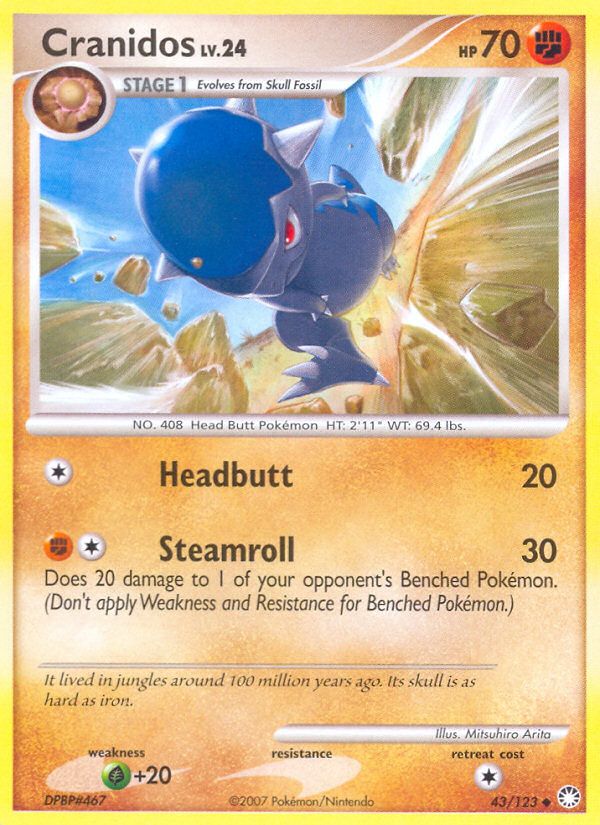
Best Graded Cranidos Cards: Collector & Investor Guide
Cranidos is a niche favorite from the Sinnoh era, and that gives it a very specific kind of collector appeal.
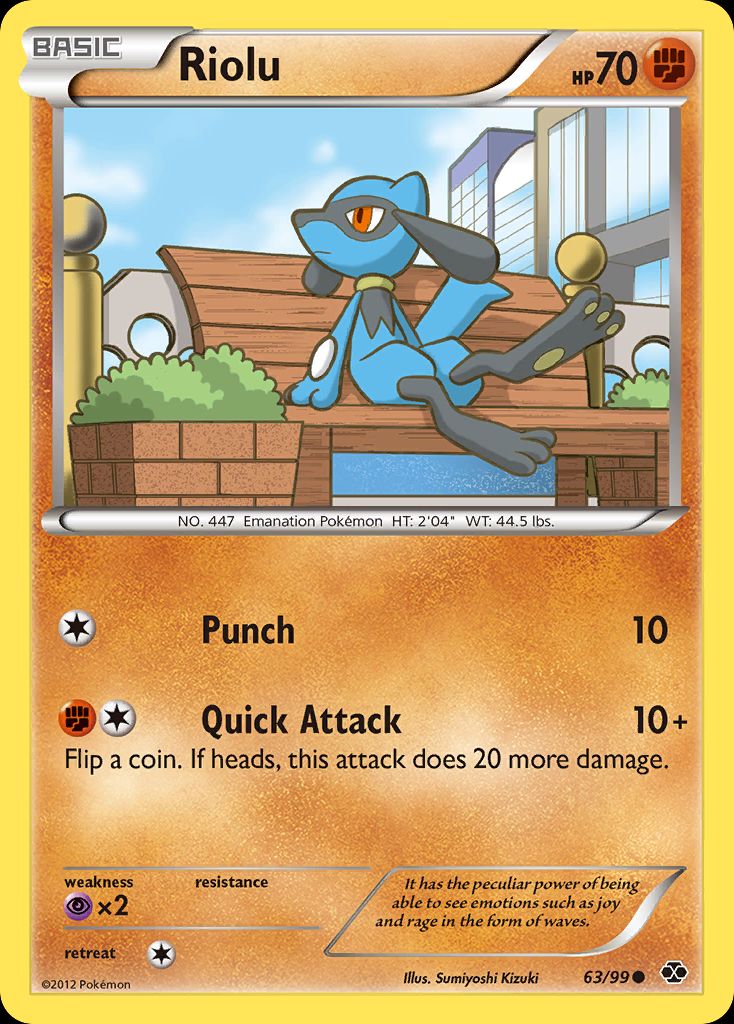
Best Graded Riolu Cards: Collector & Investor Guide
Riolu has always been a fan-favorite baby Pokémon, and its popularity is tied closely to Lucario’s long-standing appeal across the TCG, games, and anime.
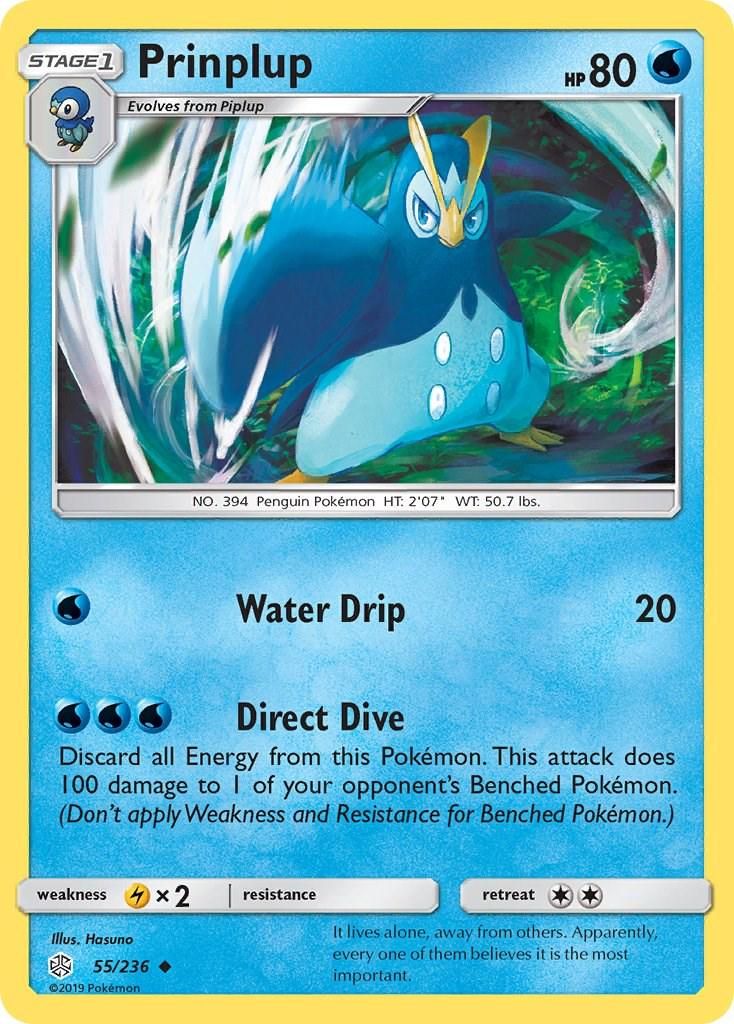
Best Graded Prinplup Cards: Collector & Investor Guide
Prinplup sits in a sweet spot for Sinnoh collectors: it is a true middle-stage starter evolution with strong nostalgia, recognizable Ken Sugimori-era game roots, and a card history that spans the Diamond & Pearl perio...