
Spinda
Best Graded Spinda Cards: Collector & Investor Guide
By Kyle Eggleston · Published May 13, 2026
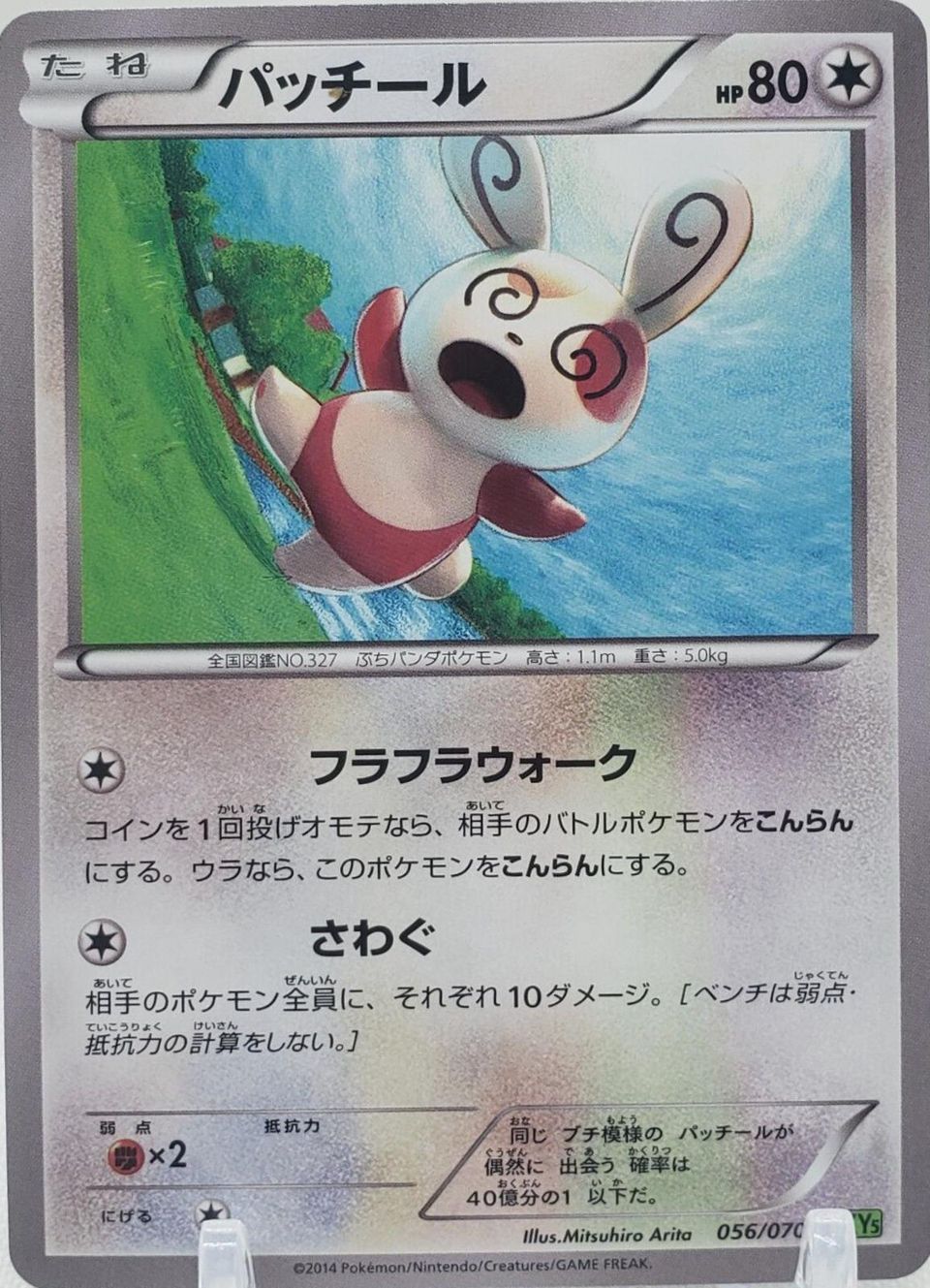
Spinda is a niche favorite in the Pokémon TCG: not a chase mascot, but a species with memorable artwork, quirky game lore, and a surprisingly broad run of appearances across EX, Diamond & Pearl, Black & White, Sun & Moon, and Sword & Shield-era releases. For collectors who enjoy character Pokémon rather than headline stars, Spinda offers a focused mini-master set with real variety. Graded Spinda cards matter because condition is often the difference between a fun binder copy and a genuinely scarce slab. Older EX-era prints can be much tougher in PSA 10 than their modest raw prices suggest, while modern Japanese and English copies offer cleaner supply and easier high-grade targets. PSA, BGS, and CGC slabs also make it easier to compare populations, monitor recent sales, and track long-term value trends.
Why Spinda Cards Are Worth Collecting
Spinda cards appeal to a very specific kind of Pokémon collector: the buyer who values personality, unusual artwork, and set diversity over pure star power. Because Spinda appeared across multiple generations, its card history touches several beloved collecting eras, from the EX period's lower-print-run feel to modern Japanese high-class and special set releases. That gives collectors a fun, affordable lane to specialize in.
Another reason Spinda works well in graded form is that many copies were originally treated as binder fillers. Older cards from the EX and Diamond & Pearl years are often harder to find in true gem-mint condition than casual buyers expect. That creates an interesting market where low-end raw prices do not always reflect PSA 10 scarcity.
What Makes a Graded Spinda Card Valuable?
- Grade (PSA 10 commands highest premiums)
- Set and era (vintage EX-era and early DP cards can be tougher than modern issues)
- Rarity and print run
- Population report scarcity
- Recent sold comps on eBay
- Japanese vs English versions
- PSA 10 vs raw comparison
The Best Graded Spinda Cards to Collect
1. Spinda ex Deoxys 37/107
One of the most recognizable English Spinda cards, the ex Deoxys version is a core target for EX-era species collectors. The set sits in a well-loved period of Pokémon TCG history, and even common and uncommon cards from this era can be deceptively tough in top condition because of print lines, edge wear, and general handling.
For collectors building a graded Spinda run, this is often the first card worth prioritizing in PSA 10. English copies tend to get more visibility in the market, while Japanese ADV-era counterparts can offer different scarcity dynamics depending on slab populations and domestic supply.
2. Spinda Emerald 44/106
Spinda from EX Emerald is another key English-era pickup and a natural companion to the ex Deoxys card. Emerald has a loyal collector base, and species cards from the set benefit from that broader interest. In high grade, this card has crossover appeal for both Spinda collectors and EX-era set builders.
When buying, pay special attention to whitening and centering, because many surviving raw copies are clean at first glance but fall short of gem-mint standards. PSA 10 examples can outperform expectations simply because so many raw copies were never preserved with grading in mind.
3. Spinda Dragon 32/97
EX Dragon remains one of the most desirable early EX sets, and Spinda 32/97 benefits from being part of that lineup. Even though it is not a holo or chase ultra-rare, collectors routinely pay premiums for well-centered, fresh-looking examples from Dragon because the set itself carries weight.
This is the kind of card advanced collectors like to tuck into a niche PSA species run. If you are comparing English and Japanese options, note that English EX Dragon often attracts stronger nostalgia-driven demand, while Japanese cards may appeal more to condition-focused buyers.
4. Spinda Sandstorm 55/100
Sandstorm is Spinda's earliest English TCG appearance and an important anchor card for any serious graded collection of the Pokémon. First appearances matter, especially for species with long but underappreciated card histories. As a result, this card has more significance than its rarity alone would suggest.
For slab buyers, the appeal is straightforward: early print, recognizable EX-era styling, and collector importance as the starting point of English Spinda cardboard. Strong PSA 10 copies can be more difficult to source than newer cards with much larger surviving gem-mint populations.
5. Spinda Power Keepers 50/108
Power Keepers closed out the EX era, giving this Spinda card extra relevance for collectors who like bookend pieces within a Pokémon's card history. It is not the flashiest release, but it connects Spinda to one of the most nostalgic end-of-era sets in the hobby.
From a buying standpoint, Power Keepers singles can be sneaky in PSA 10 because many were opened by younger players and stored casually. If you collect by era, this is one of the best value plays in the entire Spinda checklist.
6. Spinda Great Encounters 98/106
Spinda's Great Encounters card represents the Diamond & Pearl era, giving collectors a bridge between EX and later Black & White releases. DP-era commons and uncommons often look easy on paper, but surface wear and corner issues can make pristine slabs tougher than expected.
This card is especially appealing for collectors building one top-graded Spinda from each major era. It may not command the same broad demand as an EX release, but that can create attractive entry points when a strong PSA 10 copy appears.
7. Spinda Plasma Storm 104/135
The Plasma Storm printing brings Spinda into the Black & White era, a period that has been getting more collector attention as populations mature and nostalgia rises. Set collectors appreciate Plasma branding, and species specialists like the way this card extends Spinda's timeline into a distinctly different design generation.
As a slab target, this is a nice mid-era card that usually remains affordable in high grade compared with bigger-name Pokémon from the same set. That makes it a practical pickup for collectors who want a complete graded run without overpaying for every slot.
8. Spinda Fusion Strike 242/264
Fusion Strike's secret rare-style Character Super Rare equivalent for Spinda is one of the most visually distinctive cards the Pokémon has ever received. The artwork gives Spinda far more display appeal than many of its earlier commons, which is exactly why graded modern copies remain attractive even for collectors who normally focus on vintage.
Because modern pull quality varies, centering still matters in PSA 10. This is the kind of card where eye appeal can drive demand almost as much as technical grade, so choose copies with especially strong front presentation when possible.
9. Spinda VSTAR Universe 156/172
Japanese VSTAR Universe gave Spinda a standout modern art card that has become a favorite among collectors who enjoy compact, character-driven illustration pieces. Japanese high-class set cards often present very well in slabs, and this card benefits from both modern print quality and broad awareness of the set.
For collectors deciding between English and Japanese, this is a good example of how Japanese cards can offer exceptional finish and consistency. PSA 10 copies may be easier to find than older EX-era Spinda cards, but that also makes them approachable for collectors starting a graded species collection.
10. Spinda Scarlet & Violet Black Star Promos 137
Promos can be sleeper picks in species collecting, and Spinda's Scarlet & Violet Black Star Promo gives the character a clearly identifiable standalone release outside standard set numbering. That standalone status matters to completionists, especially when building a master checklist across English releases.
Because promos are distributed differently than pack-issued cards, condition patterns can vary. Sealed copies and clean grading candidates are worth prioritizing, and PSA 10 examples can become more desirable if collectors begin treating Spinda as a true niche character set rather than a one-off curiosity.
Vintage vs Modern Spinda Cards
Vintage and modern Spinda cards offer two very different collecting experiences. EX-era and early DP cards usually carry more condition scarcity and stronger nostalgia, making them better long-term targets for experienced slab buyers who value population pressure. Modern cards, especially Japanese special-set issues and the Fusion Strike art card, offer stronger visuals, easier availability, and lower entry costs. For many collectors, the best strategy is a blended approach: anchor the collection with early English EX-era cards, then add modern art-focused slabs for display appeal.
How to Track Spinda Card Prices
Use eBay sold listings, PriceCharting, and PSA pop reports to gauge value. Slabfolio lets you look up graded card prices, upload your slab, and track your portfolio in one place.
FAQ
What is the rarest Spinda card?
In practical grading terms, the rarest Spinda card is often whichever early EX-era issue has the lowest PSA 10 population rather than the highest raw price. Cards like Sandstorm, Dragon, and ex Deoxys are strong candidates because gem-mint survivors can be much tougher than modern supply suggests.
Is PSA 10 Spinda worth buying?
Yes, if you collect niche Pokémon, species runs, or undervalued EX-era cards. PSA 10 Spinda slabs are usually more about scarcity, completion, and long-term collector appeal than short-term speculation.
How do I find Spinda card prices?
Check eBay sold listings for real transaction data, compare against PriceCharting where available, and review PSA population reports to understand scarcity. Slabfolio is useful for monitoring graded price movement and organizing your own collection.
Prices as of Oct 21, 2026
- 1
Spinda PSA 10
EX Deoxys · 2005 · 37/107
This EX Deoxys Spinda is one of the best-known English copies for species collectors and comes from a highly respected mid-EX era set. Its appeal comes from era nostalgia, relatively tougher gem-mint supply, and strong crossover demand from EX set builders.
Prioritize clean holo-free surfaces, sharp corners, and above-average centering because EX-era commons are often harder in PSA 10 than they look.
- 2
Spinda PSA 10
EX Emerald · 2005 · 44/106
Spinda from EX Emerald is a key English-era card that benefits from the popularity of the Emerald set and its strong place in EX collecting. High-grade copies are sought after by both species collectors and complete set enthusiasts.
Look closely for edge whitening and tiny corner wear, which are common on raw EX Emerald copies.
- 3
Spinda PSA 10
EX Dragon · 2003 · 32/97
As part of the beloved EX Dragon set, this Spinda carries more collector cachet than its rarity tier might imply. It is an important early EX-era species card with broad appeal among nostalgic Pokémon TCG buyers.
EX Dragon cards with strong centering and untouched backs deserve a premium in gem-mint grade.
- 4
Spinda PSA 10
EX Sandstorm · 2003 · 55/100
This is Spinda's earliest English Pokémon TCG card, making it a cornerstone of any complete graded species collection. First appearances tend to matter more over time, especially for collectors assembling one-card-per-Pokémon runs.
If you only buy one vintage Spinda slab, the first English appearance is the logical anchor.
- 5
Spinda PSA 10
EX Power Keepers · 2007 · 50/108
Power Keepers closed the EX era, giving this Spinda card extra significance for collectors who like milestone set placements. It is a strong bookend piece for anyone building a graded Spinda timeline.
This is often an underrated buy for EX-era completionists because prices can lag behind its historical importance.
- 6
Spinda PSA 10
Great Encounters · 2008 · 98/106
Great Encounters brings Spinda into the Diamond & Pearl era and serves as a useful bridge between EX cards and later modern releases. It is a practical target for collectors building one premium slab from each generation.
DP-era commons can hide surface scratches and print defects, so inspect scans carefully before buying.
- 7
Spinda PSA 10
Plasma Storm · 2013 · 104/135
Spinda's Plasma Storm appearance extends its collecting arc into the Black & White era, which has become increasingly interesting for long-term hobby buyers. The set's branding and era-specific design give it added identity within a species run.
A PSA 10 from BW-era sets is a strong value play when you want generational coverage without paying vintage premiums.
Estimated value: $3.35
- 8
Spinda PSA 10
Fusion Strike · 2021 · 242/264
Fusion Strike gave Spinda one of its most visually memorable modern cards, making it a natural choice for display collectors as well as species specialists. It stands out from older commons through stronger presentation and modern collector awareness.
Modern rarity does not guarantee PSA 10, so avoid off-center copies and cards with pack-fresh edge issues.
- 9
Spinda PSA 10
VSTAR Universe · 2022 · 156/172
This Japanese VSTAR Universe Spinda is a strong modern slab target thanks to its popular set context and attractive Japanese finish quality. It is especially appealing to collectors who enjoy pairing English vintage cards with clean, art-driven Japanese moderns.
Japanese modern Spinda slabs are often easier entry points for gem-mint collectors who still want premium presentation.
- 10
Spinda PSA 10
Scarlet & Violet Black Star Promos · 2024 · SVP 137
This standalone English promo gives Spinda a useful modern checklist piece outside the normal booster-set track. Promos often attract completionists because they are easy to miss when collectors focus only on numbered set cards.
Whenever possible, target sealed-origin promo copies or slabs with especially clean front surfaces.
Frequently asked questions
What is the rarest Spinda card?
In practical grading terms, the rarest Spinda card is often whichever early EX-era issue has the lowest PSA 10 population rather than the highest raw price. Cards like Sandstorm, Dragon, and ex Deoxys are strong candidates because gem-mint survivors can be much tougher than modern supply suggests.
Is PSA 10 Spinda worth buying?
Yes, if you collect niche Pokémon, species runs, or undervalued EX-era cards. PSA 10 Spinda slabs are usually more about scarcity, completion, and long-term collector appeal than short-term speculation.
How do I find Spinda card prices?
Check eBay sold listings for real transaction data, compare against PriceCharting where available, and review PSA population reports to understand scarcity. Slabfolio is useful for monitoring graded price movement and organizing your own collection.
Whether you're building your first graded Spinda collection or managing a larger Pokémon card portfolio, tracking real market movement matters. Slabfolio helps collectors organize slabs, monitor values, and follow graded card price changes over time.
Related guides
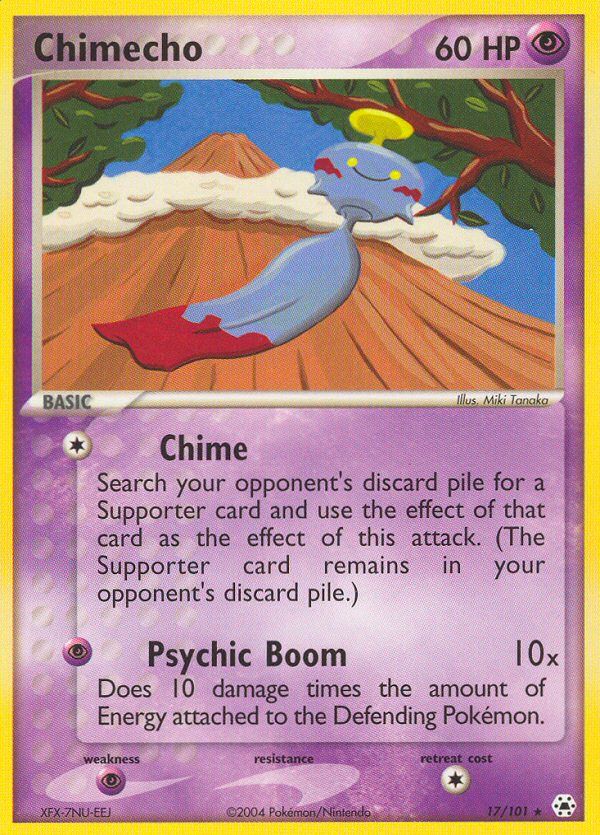
Best Graded Chimecho Cards: Collector & Investor Guide
Chimecho is a niche favorite that appeals to collectors who enjoy Hoenn-era Pokémon, understated artwork, and card lists that reward deep set knowledge.
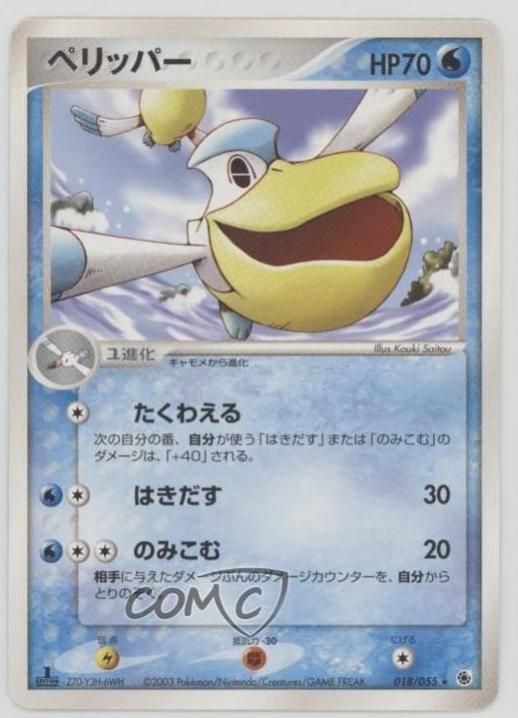
Best Graded Pelipper Cards: Collector & Investor Guide
Pelipper is not a headline chase Pokémon, but that is exactly part of its appeal to seasoned collectors.
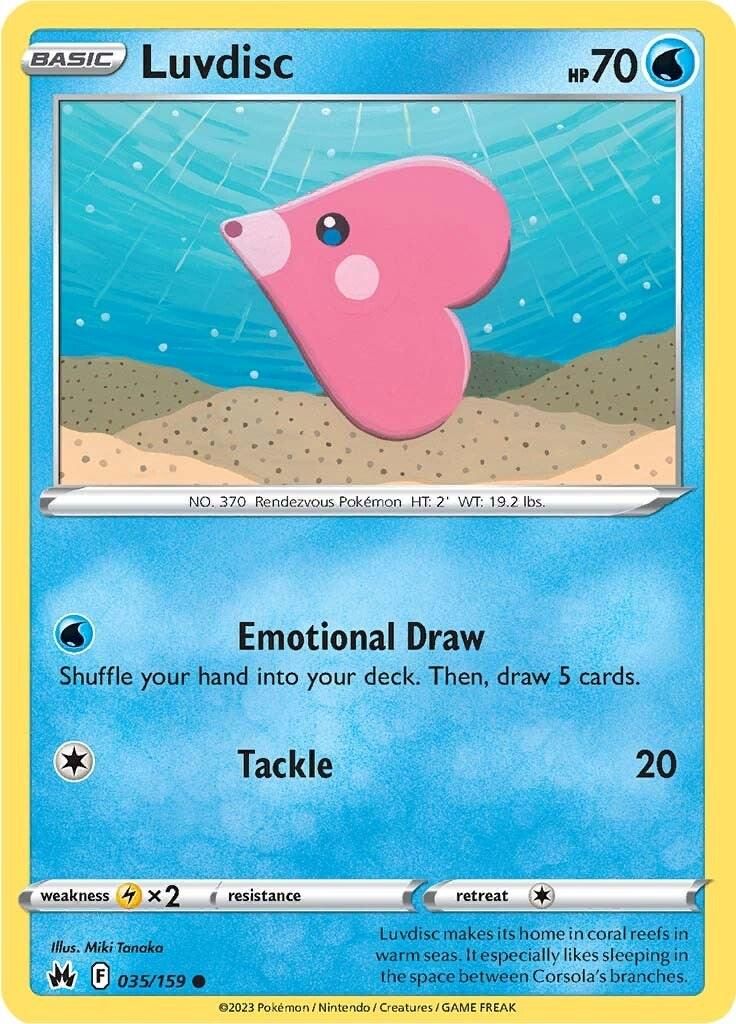
Best Graded Luvdisc Cards: Collector & Investor Guide
Luvdisc is rarely a headline Pokémon, but that is exactly why its best cards appeal to focused collectors.
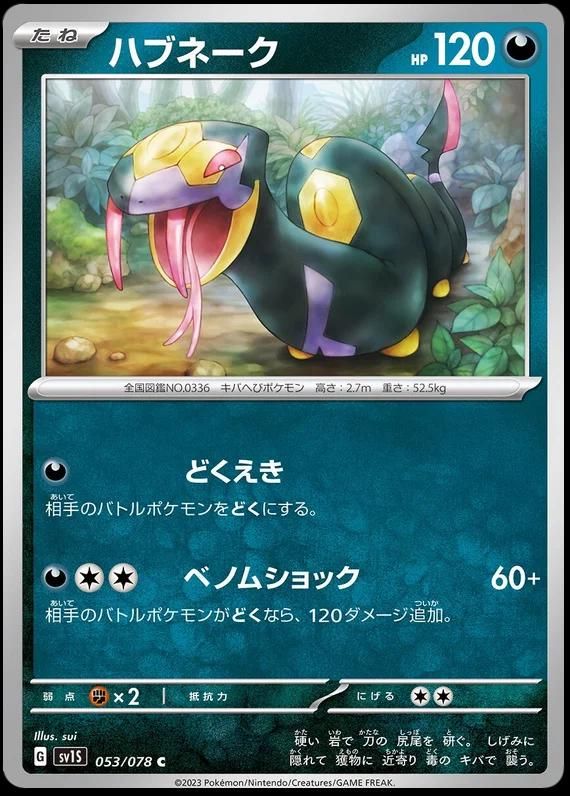
Best Graded Seviper Cards: Collector & Investor Guide
Seviper has never been the most expensive snake Pokémon in the hobby, but it has built a quietly loyal collector base thanks to its aggressive design, memorable rivalry with Zangoose, and a card history that stretches...
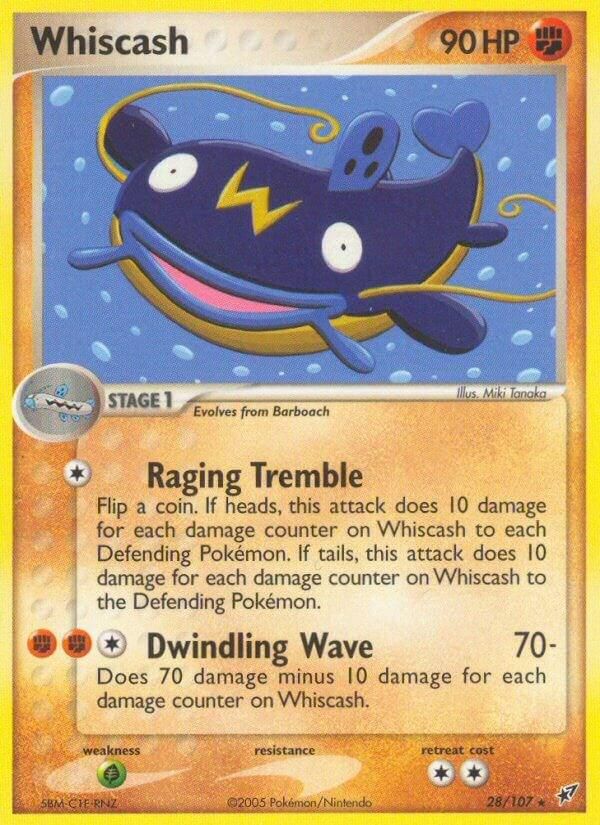
Best Graded Whiscash Cards: Collector & Investor Guide
Whiscash is not a headline Pokémon in the way Charizard or Pikachu are, but that is exactly why many collectors enjoy building around it.
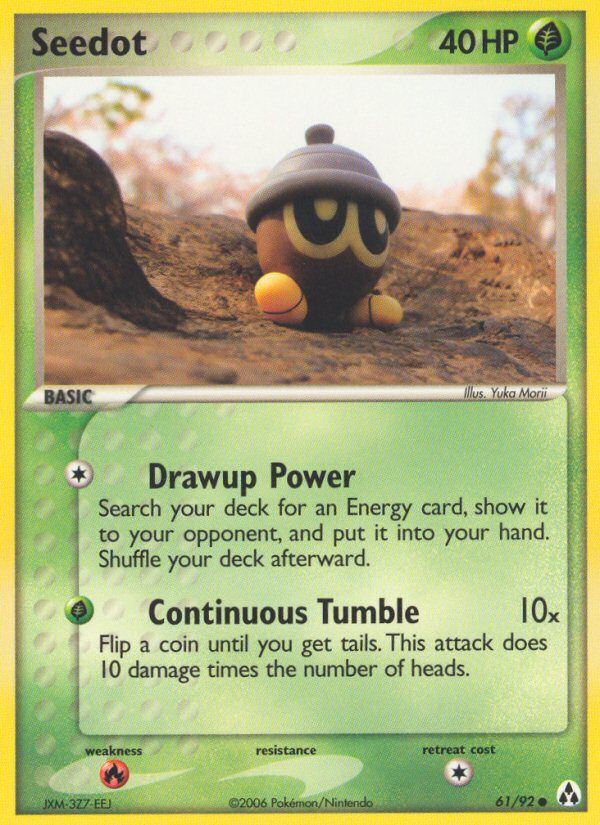
Best Graded Seedot Cards: Collector & Investor Guide
Seedot is a modest Hoenn-era Pokémon, but its card history gives collectors a surprisingly fun niche to chase.