
Horsea
Best Graded Horsea Cards: Collector & Investor Guide
By Kyle Eggleston · Published May 13, 2026
Updated Sep 20, 2026
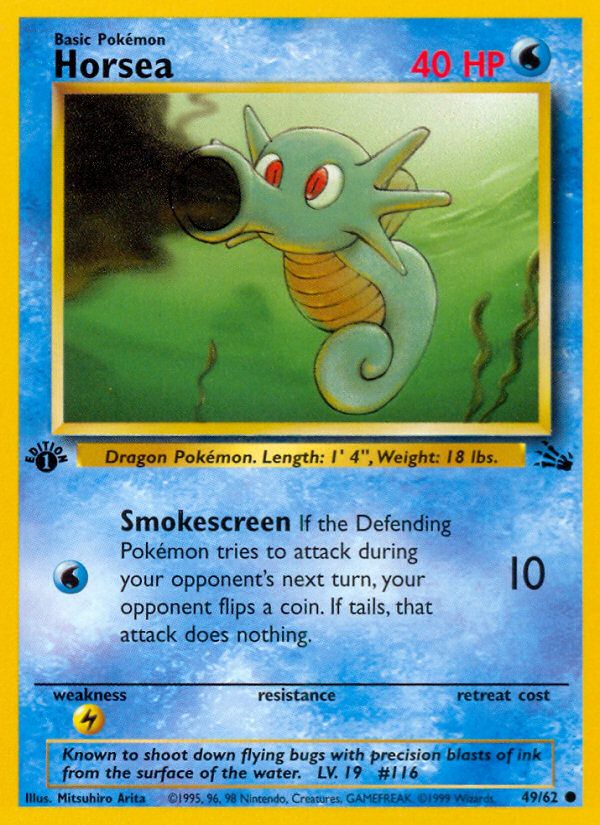
Horsea is not a headliner Pokémon, but that is exactly why many collectors enjoy it. Its cards span the earliest Wizards of the Coast years through later Japanese and modern releases, giving collectors a manageable niche with real nostalgia. For set builders, Horsea is a familiar common that shows up in several iconic eras and often features memorable aquatic artwork. Graded Horsea cards matter because condition makes a huge difference on commons and niche species. Vintage copies are often scratched, off-center, or edge-worn, so PSA, BGS, and CGC slabs help separate top examples from binder cards. For collectors tracking value over time, grading also makes sales data, pop report comparisons, and portfolio management much easier.
Why Horsea Cards Are Worth Collecting
Horsea cards appeal to a specific kind of Pokémon collector: the person who loves species collecting, vintage commons in elite condition, and artwork-driven picks that larger investors often overlook. While Horsea is rarely the chase card of a set, that can make high-grade examples more interesting, especially when they come from iconic Wizards of the Coast releases or low-pop Japanese printings.
Another reason Horsea works well in graded form is that condition sensitivity is real. Old commons were heavily played, stored loose, and rarely protected with grading in mind. That means PSA 10, BGS 9.5/10, or CGC Pristine copies can stand out far more than raw examples, particularly for collectors building focused species registries or clean vintage runs.
What Makes a Graded Horsea Card Valuable?
- Grade (PSA 10 commands highest premiums)
- Set and era (vintage Base Set vs modern)
- Rarity and print run
- Population report scarcity
- Recent sold comps on eBay
- Japanese vs English versions
- PSA 10 vs raw comparison
The Best Graded Horsea Cards to Collect
1. Horsea. Base Set 49/102
Base Set Horsea is the foundational Horsea card for many collectors and the easiest place to start a focused graded run. Even though it is a common, it benefits from massive nostalgia and broad recognition because Base Set remains the most collected era in the hobby.
In high grade, this card becomes far more appealing than its raw price point suggests. Centering and edge wear matter a lot, and truly clean PSA 10 copies attract collectors building Base Set registries or species collections. English copies get the most attention, while Japanese Base-era Horsea can offer a different collecting angle for artwork and print-quality fans.
2. Horsea. Fossil 49/62
Fossil Horsea is one of the strongest vintage Horsea picks because Fossil is so closely tied to Water-type Pokémon and Gen 1 nostalgia. The card fits naturally into classic Kanto-themed collections and offers that unmistakable late-1999 Wizards aesthetic.
For graded buyers, Fossil commons can look deceptively easy in raw form but often fall short at gem-mint level. Print lines, whitening, and centering can hurt top grades. This is a smart card for collectors who want a vintage slab with strong set identity but lower entry cost than the era's holos.
3. Dark Horsea. Team Rocket 45/82
Dark Horsea adds the Team Rocket twist that many collectors love, making it one of the most characterful Horsea cards in English. The Dark naming convention gives even common Pokémon a more distinctive place in collection displays.
Team Rocket remains one of the hobby's most popular vintage sets, so a graded Dark Horsea has more crossover appeal than a standard common from a lesser-known release. If you collect English and Japanese side by side, comparing the Team Rocket and Japanese Rocket versions can be especially fun because the set theme is so iconic.
4. Misty's Horsea. Gym Heroes 87/132
Misty's Horsea stands out because character Pokémon from the Gym era continue to have loyal demand. Cards tied to major anime and game personalities like Misty give even small Water-types a stronger story, and that narrative usually helps long-term collector interest.
This is a great choice for Gym Heroes set builders and Misty-focused collectors alike. In slab form, it carries more personality than a standard Horsea card, and top-grade examples are appealing because Gym cards often show edge wear and minor handling issues. Japanese Gym-era counterparts can also be worth comparing for presentation and print finish.
5. Misty's Horsea. Gym Challenge 86/132
Gym Challenge offers a second Misty's Horsea for collectors who want to go deeper than a single representative card. Species collectors often enjoy pairing this card with the Gym Heroes version to show how Horsea appears across adjacent premium vintage sets.
Because the Gym sets are collector favorites, graded copies can perform well relative to their raw value. For buyers, the appeal is less about rarity and more about completeness, character branding, and clean presentation inside a slab. If you are building a Misty page or a Horsea master set, this one is hard to ignore.
6. Horsea. Expedition Base Set 123/165
Expedition Base Set Horsea gives the species an early e-Reader-era appearance, which makes it especially attractive to collectors who want something vintage-adjacent but visually distinct from classic Wizards yellow-border commons. The artwork and card frame feel completely different from Base, Fossil, or Rocket.
Graded Expedition cards have a niche but serious following. The set's design, reverse holo possibilities, and lower casual supply in top condition can make even commons interesting in PSA 10. For Horsea specialists, this is one of the best bridge cards between classic WOTC nostalgia and the more experimental early-2000s era.
7. Horsea. Aquapolis 108/147
Aquapolis Horsea is a standout for advanced species collectors because Aquapolis has one of the most respected aesthetics in the hobby. Even lower-rarity cards from the set benefit from collector prestige, and Horsea gains a lot from simply appearing in such a desirable release.
High-grade Aquapolis commons can be tougher than many newer collectors expect, especially if you are targeting truly clean fronts and strong corners. This is an excellent slab for collectors who prefer underrated set pedigree over raw card rarity. Japanese e-Series equivalents can also be compelling for buyers who like crisp printing and alternate collecting paths.
8. Horsea. EX Team Rocket Returns 61/109
EX Team Rocket Returns Horsea is one of the more interesting later-era picks because the set itself is highly collectible and far scarcer in high grade than many mainstream Sword & Shield or Scarlet & Violet issues. It gives Horsea a place in the popular EX-era market without requiring a massive budget.
For graded collectors, this card benefits from strong set branding and a more limited historical supply of pack-fresh cards. EX-era commons and uncommons often have quiet long-term appeal when tied to beloved themes like Team Rocket. If you find a strong slab with eye appeal, it can be a very solid niche pickup.
9. Horsea. Secret Wonders 103/132
Secret Wonders Horsea is a useful modern-prelude choice for collectors who want a Diamond & Pearl-era card that still feels relatively affordable and underappreciated. It is not flashy, but that is part of its charm for species collectors assembling a broad timeline.
As a graded card, the value proposition is about era coverage and condition rarity rather than hype. D&P cards can be tougher in top grade than many assume due to print and handling issues. If you are building a complete Horsea slab lineup across generations, this is a very sensible addition.
10. Horsea. Triumphant 76/102
Triumphant Horsea closes the list as a HeartGold & SoulSilver-era option that gives collectors another distinct artwork and frame style. HGSS cards have gained more attention in recent years, and even commons from the era can look excellent in high-end slabs.
This is a good collector card for those who want representation from as many eras as possible without overpaying for hype-driven modern chase cards. Compared with raw copies, a strong PSA or CGC grade gives this card much better display value and makes it easier to fit into a serious species collection.
Vintage vs Modern Horsea Cards
Vintage Horsea cards from Base Set, Fossil, Team Rocket, and the Gym era usually carry the strongest nostalgia and broadest crossover appeal, especially in PSA 9 or PSA 10. Modern Horsea cards can still be worthwhile, but they tend to rely more on artwork, lower grading supply, or species-completion goals rather than pure set prestige. As investment vehicles, vintage slabs generally offer stronger long-term collector demand, while modern and later-era Horsea cards are best approached as affordable niche additions with room for selective upside in top grades.
How to Track Horsea Card Prices
Use eBay sold listings, PriceCharting, and PSA pop reports to gauge value. Slabfolio lets you look up graded card prices, upload your slab, and track your portfolio in one place.
FAQ
What is the rarest Horsea card?
Among widely recognized TCG releases, the toughest Horsea cards are usually obscure Japanese printings or later-era low-pop slabs rather than standard English commons. In practical collector terms, rarest often means the version with the fewest high-grade certified examples, not simply the oldest card.
Is PSA 10 Horsea worth buying?
Yes, if you collect by species, set, or vintage condition rarity. PSA 10 Horsea cards are usually about scarcity, eye appeal, and registry appeal rather than headline investment hype, which can make them satisfying long-term holds for focused collectors.
How do I find Horsea card prices?
Check eBay sold listings for real market activity, compare with PriceCharting, and review PSA population data for grading context. Slabfolio is useful for monitoring slabs over time and keeping your Horsea collection organized.
Prices as of Oct 21, 2026
- 1
Horsea PSA 10
Base Set · 1999 · 49/102
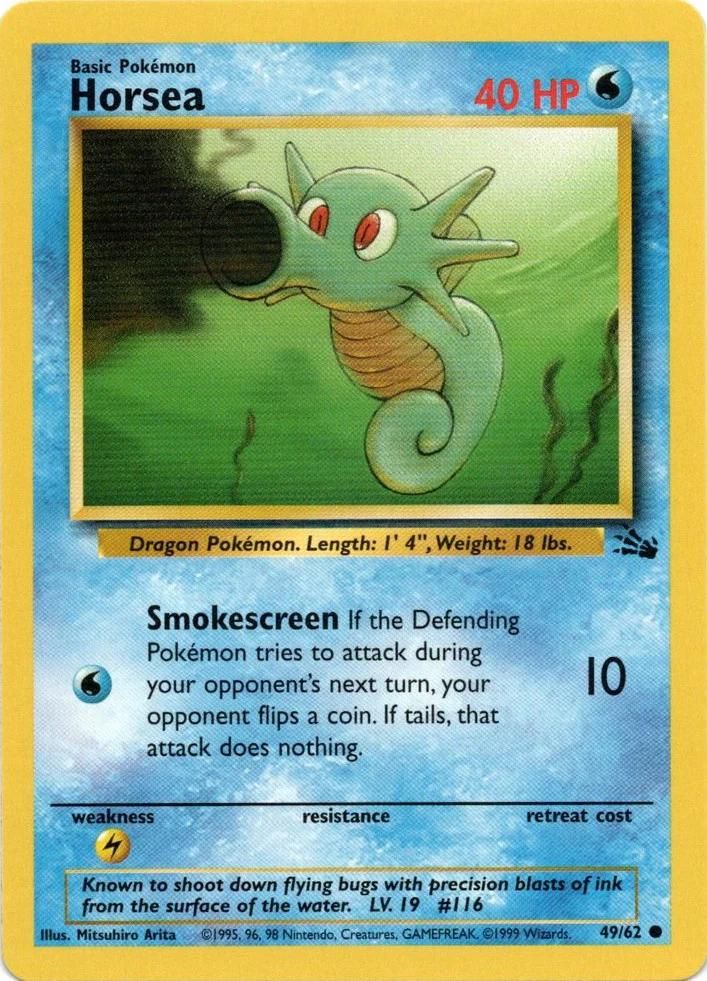
Base Set Horsea is the species' most recognizable English card and a staple for vintage set builders. High-grade examples are popular because even common Base Set cards become much harder to find in true gem-mint condition.
Prioritize centering and edge cleanliness, because Base Set commons often show whitening.
- 2
Horsea PSA 10
Fossil · 1999 · 49/62
Fossil Horsea benefits from being part of one of the most nostalgic early Water-heavy sets in the hobby. Collectors like it as a clean, affordable vintage slab with strong Gen 1 appeal.
Watch for silvering, print wear, and back-edge whitening before paying a PSA 10 premium.
Estimated value: $1.42
- 3
Dark Horsea PSA 10
Team Rocket · 2000 · 45/82
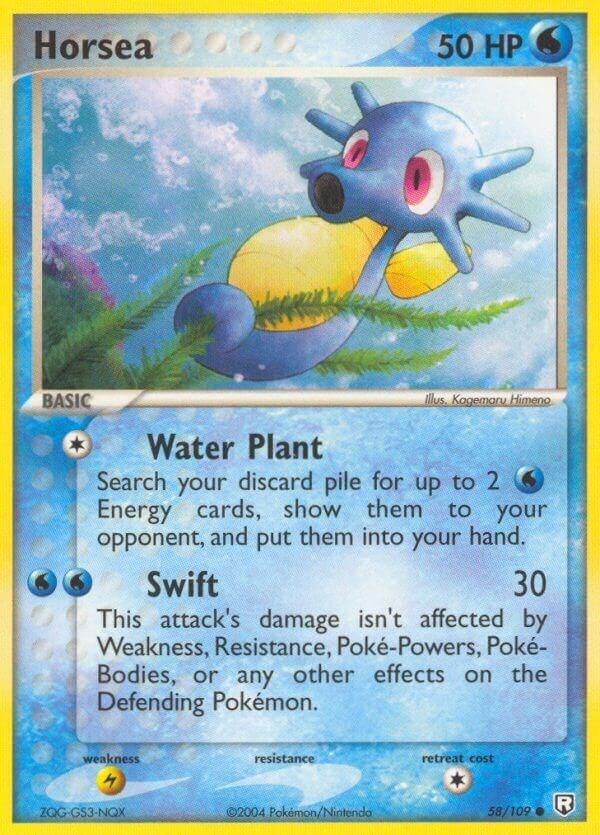
Dark Horsea stands out thanks to the hugely popular Team Rocket branding and the darker thematic twist. It has more display appeal than a standard common and crosses over nicely with Rocket collectors.
Buy the card, not just the label, because Team Rocket commons can vary a lot in centering and surface quality.
Estimated value: $2.17
- 4
Misty's Horsea PSA 10
Gym Heroes · 2000 · 87/132
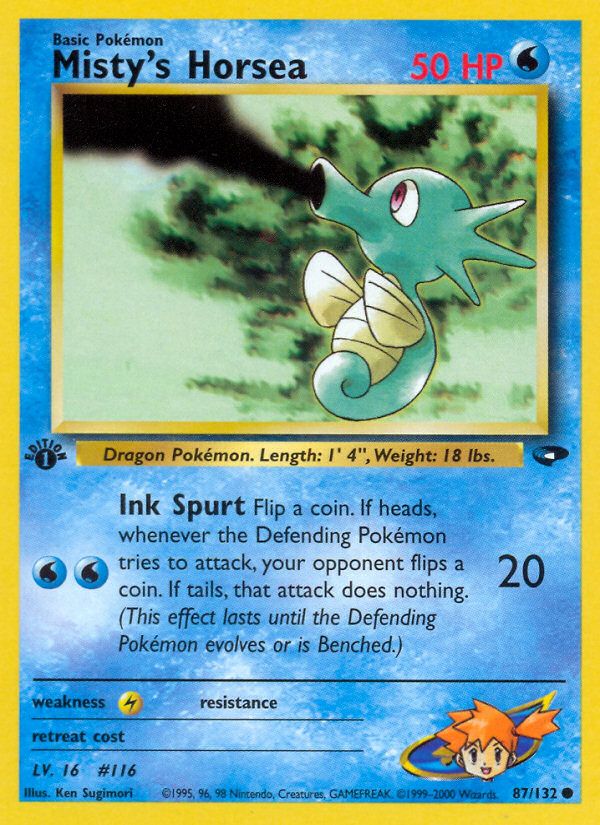
Misty's Horsea is a favorite among character Pokémon collectors because it ties Horsea directly to one of the franchise's most iconic trainers. The Gym Heroes connection gives it stronger personality and collector interest than a typical common.
This is a smart pickup for both Misty collectors and Horsea species collectors building a vintage run.
Estimated value: $1.81
- 5
Misty's Horsea PSA 10
Gym Challenge · 2000 · 86/132
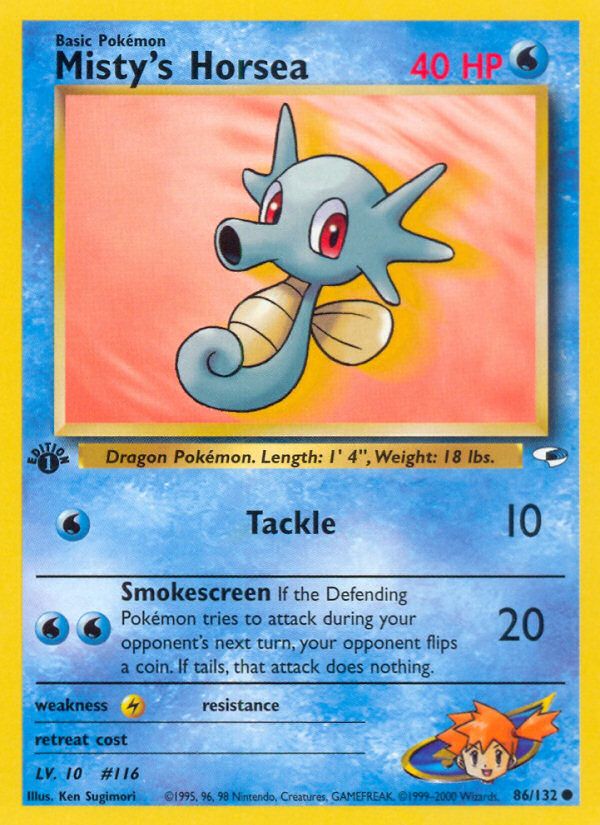
The Gym Challenge version gives collectors a second distinct Misty's Horsea to chase across the classic Gym block. It is especially appealing to completionists and fans of trainer-owned Pokémon cards.
Pairing this with the Gym Heroes copy makes for a strong two-card display in graded form.
Estimated value: $2.6
- 6
Horsea PSA 10
Expedition Base Set · 2002 · 123/165
Expedition Horsea represents the e-Reader era and gives the species a much more distinctive visual identity than earlier WOTC commons. It is a strong choice for collectors who want vintage credibility with a different card-frame style.
Consider both regular and reverse holo collecting paths if you like e-Reader-era niche cards.
- 7
Horsea PSA 10
Aquapolis · 2003 · 108/147
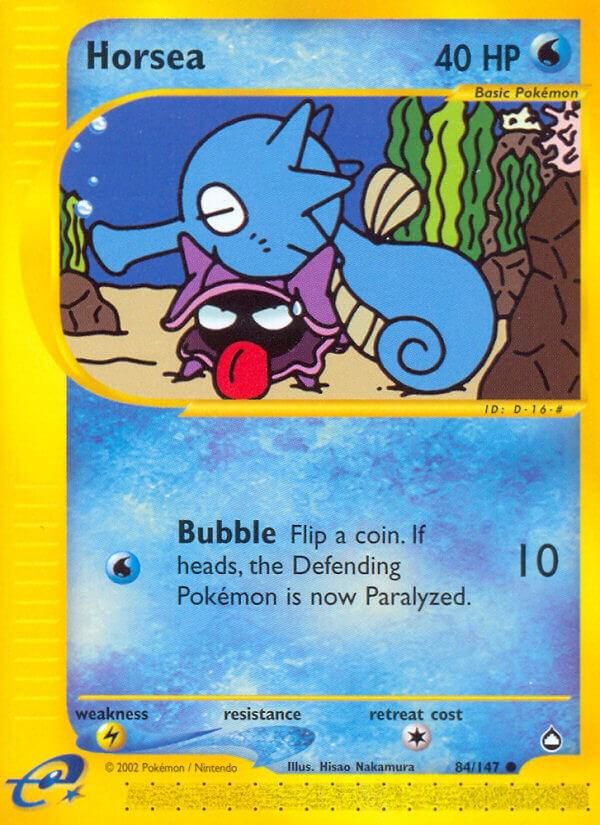
Aquapolis Horsea is one of the most aesthetically appealing Horsea cards because it belongs to a premium-feeling set with a devoted collector base. Even lower-rarity Aquapolis cards carry prestige in top grade.
Strong eye appeal matters here, so favor copies with sharp corners and a clean front border.
Estimated value: $8.5
- 8
Horsea PSA 10
EX Team Rocket Returns · 2004 · 61/109
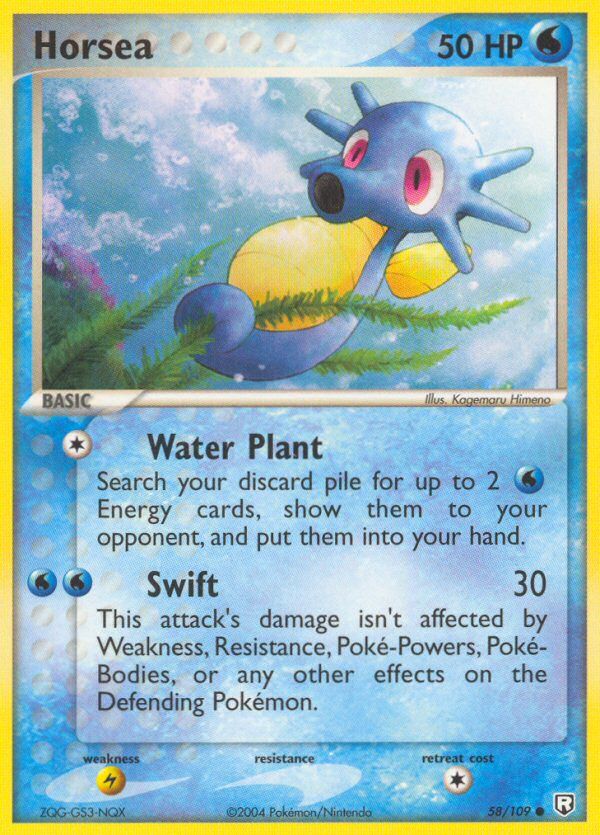
This Horsea gains a lot from the enduring popularity of EX Team Rocket Returns, one of the most collectible EX-era sets. It offers Horsea collectors a scarcer-feeling mid-2000s option with strong set branding.
EX-era slabs can be underrated, so compare grade premiums carefully against raw near-mint copies.
- 9
Horsea PSA 10
Secret Wonders · 2007 · 103/132
Secret Wonders Horsea gives the species representation in the Diamond & Pearl era, making it useful for timeline collectors. It is more of a sleeper pick than a hype card, which appeals to focused species collectors.
Target copies with clean surfaces, since mid-2000s cards can hide light wear that hurts gem-mint grades.
- 10
Horsea PSA 10
Triumphant · 2010 · 76/102
Triumphant Horsea is a nice HeartGold & SoulSilver-era addition that broadens a Horsea collection beyond pure vintage WOTC cards. It has solid display appeal and works well in a multi-era graded species run.
A PSA 10 here is best bought as a collection-building piece rather than a short-term flip.
Frequently asked questions
What is the rarest Horsea card?
Among widely recognized TCG releases, the toughest Horsea cards are usually obscure Japanese printings or later-era low-pop slabs rather than standard English commons. In practical collector terms, rarest often means the version with the fewest high-grade certified examples, not simply the oldest card.
Is PSA 10 Horsea worth buying?
Yes, if you collect by species, set, or vintage condition rarity. PSA 10 Horsea cards are usually about scarcity, eye appeal, and registry appeal rather than headline investment hype, which can make them satisfying long-term holds for focused collectors.
How do I find Horsea card prices?
Check eBay sold listings for real market activity, compare with PriceCharting, and review PSA population data for grading context. Slabfolio is useful for monitoring slabs over time and keeping your Horsea collection organized.
Whether you're building your first graded Horsea collection or managing a larger Pokémon card portfolio, tracking real market movement matters. Slabfolio helps collectors organize slabs, monitor values, and follow graded card price changes over time.
Related guides
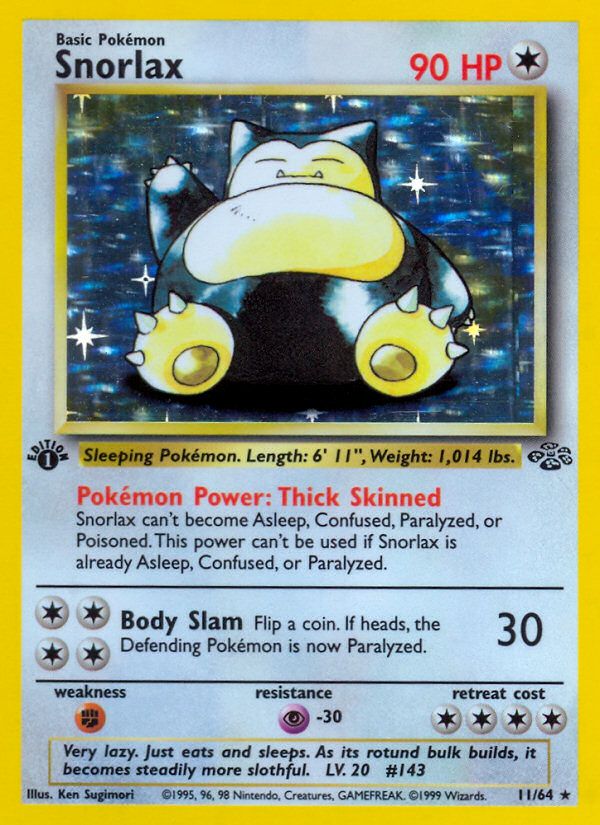
Best Graded Snorlax Cards: The 10 Best and Most Expensive Snorlax Cards
Snorlax is one of Pokémon's most universally loved fan favorites.
Best Graded Ariados Cards: Collector & Investor Guide
Ariados has never been the flashiest Johto Pokémon, but that is exactly why it has a loyal collector base.
Best Graded Azumarill Cards: Collector & Investor Guide
Azumarill has long been a favorite among Johto collectors thanks to its early Neo-era appearances, cheerful design, and crossover appeal with players who remember its rise from the Gold & Silver generation.
Best Graded Teddiursa Cards: Collector & Investor Guide
Teddiursa has never been a headline Pokémon in the TCG, but that is exactly why many collectors enjoy it.
Best Graded Bastiodon Cards: Collector & Investor Guide
Bastiodon has never been the flashiest Sinnoh Pokémon, but that is part of its appeal to seasoned collectors.
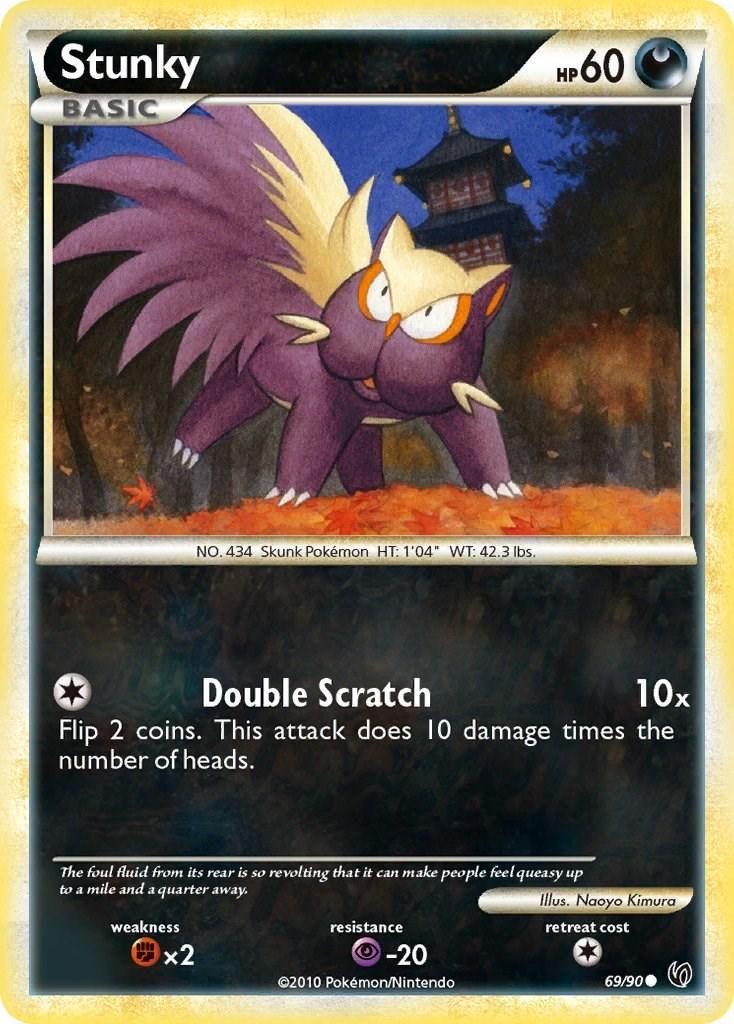
Best Graded Stunky Cards: Collector & Investor Guide
Stunky is not a headline Pokémon in the hobby, but that is exactly why its best cards appeal to focused collectors.