
Happiny
Best Graded Happiny Cards: Collector & Investor Guide
By Kyle Eggleston · Published May 13, 2026
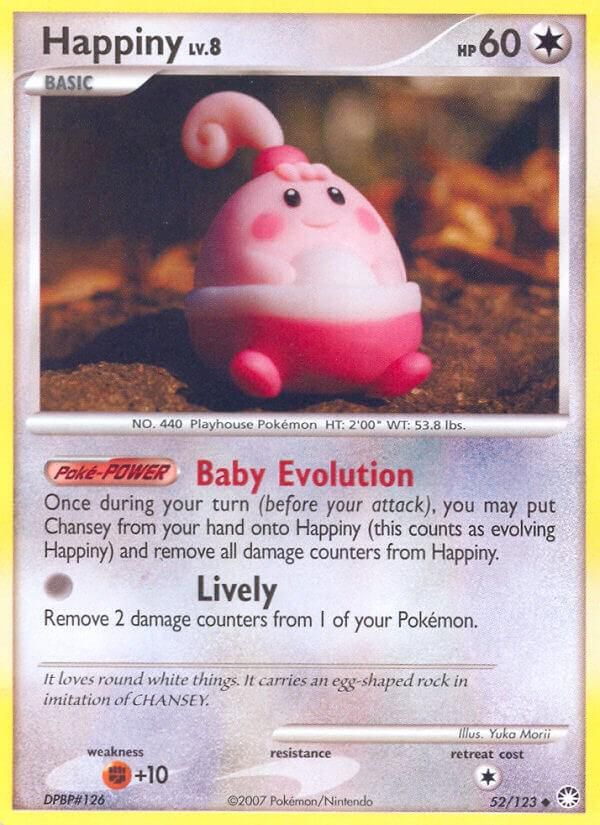
Happiny is a niche favorite for collectors who enjoy baby Pokémon, soft character artwork, and the Diamond & Pearl era that introduced it to the TCG. While it has never been a headline chase character on the level of Pikachu or Charizard, Happiny appeals to species collectors, Chansey and Blissey fans, and buyers assembling complete DP-era Pokédex runs. Most notable Happiny cards come from the 2007-2010 Diamond & Pearl, Platinum, and HeartGold & SoulSilver window, with a few Japanese-exclusive promotional appearances adding scarcity and regional interest. In graded form, PSA, BGS, and CGC slabs matter because condition-sensitive baby Pokémon cards often show edge wear, print lines, or centering issues, and strong grades make value tracking far easier over time.
Why Happiny Cards Are Worth Collecting
Happiny cards sit in a sweet spot for collectors: they are affordable compared with marquee species, but still tied to a popular evolution family and an important era in the hobby. The Pokémon's earliest TCG appearances came during Diamond & Pearl, a period many collectors now revisit for silver borders, classic reverse holo patterns, and understated artwork that feels very different from modern ultra-rares.
Another reason Happiny works well in graded form is focus. The checklist is small enough that a species collector can realistically chase multiple languages, promos, and condition upgrades without getting overwhelmed. That makes Happiny especially appealing for slab collectors who want a curated mini-set rather than an endless master set hunt.
What Makes a Graded Happiny Card Valuable?
- Grade (PSA 10 commands highest premiums)
- Set and era (vintage vs modern sets)
- Rarity and print run
- Population report scarcity
- Recent sold comps on eBay
- Japanese vs English versions
- PSA 10 vs raw comparison
The Best Graded Happiny Cards to Collect
1. Happiny LV.8 - Mysterious Treasures 54/123
This is the foundational English Happiny for many collectors and one of the first cards most species-focused buyers target. As a main-set Diamond & Pearl era card, it has strong nostalgia appeal and serves as the easiest entry point into a graded Happiny run.
In PSA 10, collectors should pay attention to centering and edge chipping, which can be common on DP-era cards. Japanese print quality from the same era can look cleaner, but the English Mysterious Treasures copy remains important because of its place as a core early Happiny issue.
2. Happiny LV.8 - POP Series 8 14/17
POP Series cards have built a loyal following thanks to their limited distribution and hobby nostalgia. Happiny from POP Series 8 is a great example of a card that can outperform expectations in top grade because many copies were handled heavily or stored casually by younger collectors.
For slab buyers, this card offers a different kind of scarcity than a standard booster set card. Even though it is not flashy, POP cards often become surprisingly difficult in gem mint condition, making PSA 10 examples especially attractive for registry-style collectors.
3. Happiny - Majestic Dawn 72/100
Majestic Dawn is a well-liked Platinum-adjacent era set with strong collector recognition, and this Happiny is a nice upgrade pick for anyone trying to assemble a complete English Happiny slab lineup. The artwork gives it a softer, more character-driven appeal than some of the earlier entries.
Because it is a regular set card, value usually comes down to grade quality, eye appeal, and buyer patience. English copies are more accessible, but Japanese collectors often compare print sharpness and surface quality when deciding which version to prioritize.
4. Happiny - Supreme Victors 81/147
Supreme Victors has become a very collectible set from the Platinum era, and Happiny's inclusion gives species collectors another important main-set target. This is the kind of card that does well in a complete themed slab run because it represents Happiny's continued visibility during a desirable late-DP block period.
When buying graded examples, check for silvering, corner touches, and holo bleed on reverse holo copies if you are comparing raw alternatives. PSA 10 examples can be more compelling than raw near-mint cards simply because condition variance is so common in this era.
5. Happiny - Arceus 53/99
Arceus remains one of the most distinctive late Platinum sets, and Happiny 53/99 benefits from being tied to a release many collectors revisit for its unique subset feel and broad Pokémon roster. It is not the rarest Happiny, but it is one of the cleaner set-based additions to a serious graded species collection.
For investors, the appeal is less about hype and more about completeness and long-term DP/Pt demand. Japanese counterparts may show stronger surfaces, but English Arceus copies often carry more familiarity for North American collectors building PSA-focused runs.
6. Happiny - HS. Triumphant 38/102
This HeartGold & SoulSilver era Happiny matters because it bridges the species from the DP years into a different design era with a new card frame and collector base. HGSS cards have aged well visually, and Triumphant is a respected set that gives this card a solid home.
Gem mint copies can be appealing because HGSS-era cards still suffer from occasional print and edge issues despite their strong presentation. For collectors building by era, this is the Happiny that rounds out the transition from Diamond & Pearl to HeartGold & SoulSilver.
7. Happiny - Rising Rivals 69/111
Rising Rivals is a popular Platinum-era set, and Happiny 69/111 is an underappreciated species card within it. It is not a headline chase card, but that can actually help long-term collectors who want a lower-profile slab that still belongs to a recognized and collectible release.
A PSA 10 here is more about set prestige, species completion, and condition rarity than raw card flash. If you collect the Chansey line broadly, this is an important piece that connects nicely with contemporary Blissey and support-themed cards from the era.
8. Happiny - DPt-P Promotional Card 44/DP-P
Japanese DP-P promos are exactly the kind of issue that species collectors love because they combine era significance with a layer of regional scarcity. Happiny 44/DP-P stands out as one of the more interesting Japanese-exclusive slabs for advanced collectors looking beyond standard English set cards.
These promos often carry stronger collector appeal in Japan-first species runs, and condition-sensitive distribution can make truly pristine copies harder to secure. For buyers, authenticity of the exact promo number and grade-label accuracy are especially important.
9. Happiny - DPt-P Promotional Card 101/DP-P
Another Japanese DP-P promo, 101/DP-P gives Happiny collectors a deeper-cut target that helps distinguish a basic species collection from an advanced one. Cards like this tend to have a smaller buyer pool, but that same niche appeal can support strong interest among dedicated baby Pokémon and Japanese promo collectors.
Because Japanese promo markets can move differently from English set cards, compare sold listings carefully rather than relying on assumptions from mainstream sets. This is a smart slab for collectors who value rarity structure and promo history over broad market recognition.
10. Happiny - DPt-P Promotional Card 111/DP-P
Happiny 111/DP-P is another strong Japanese promotional inclusion and a worthy final card for a top-10 graded list because it expands the checklist into true species-completion territory. For many advanced collectors, promos like this are where the most satisfying hunts begin.
The value difference between English and Japanese does not apply here in a direct one-to-one way, since this is a Japan-only style target. Instead, the premium comes from promo demand, grade scarcity, and how many serious Happiny or Chansey-family collectors are competing for top-condition examples.
Vintage vs Modern Happiny Cards
Happiny does not have a true vintage WotC-era presence, so its collectible identity starts in the Diamond & Pearl period and carries into Platinum and HeartGold & SoulSilver. That makes its earliest appearances function like the species' vintage baseline, while later releases offer broader availability but sometimes less historical importance. For investment-minded collectors, the best balance usually comes from early English DP cards and scarcer Japanese promos in high grade.
How to Track Happiny Card Prices
Use eBay sold listings, PriceCharting, and PSA pop reports to gauge value. Slabfolio lets you look up graded card prices, upload your slab, and track your portfolio in one place.
FAQ
What is the rarest Happiny card?
Among the most elusive Happiny cards are the Japanese DPt-P promotional releases, which were distributed more narrowly than standard set cards and can be much tougher to locate in top grade.
Is PSA 10 Happiny worth buying?
Yes, if you are collecting the species seriously or targeting clean DP/HGSS-era slabs. PSA 10 examples offer stronger liquidity, clearer condition certainty, and better long-term tracking than raw copies.
How do I find Happiny card prices?
Check eBay sold listings for real market activity, compare asking prices carefully, and use PSA population data to understand grade scarcity. PriceCharting and Slabfolio are also useful for monitoring trends over time.
Prices as of Oct 21, 2026
- 1
Happiny PSA 10
Mysterious Treasures · 2007 · 54/123
One of Happiny's earliest English TCG appearances, this Diamond & Pearl era card is a cornerstone for species collectors. It is a natural first slab for anyone building a complete Happiny lineup.
Prioritize strong centering and clean edges, as DP-era wear is common.
Estimated value: $7.35
- 2
Happiny PSA 10
POP Series 8 · 2008 · 14/17
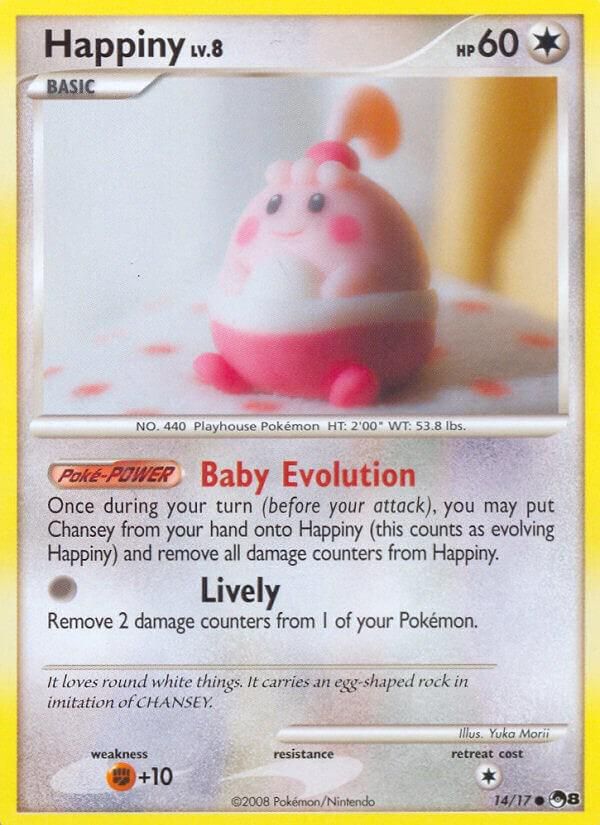
This POP Series release has hobby appeal because of its limited-distribution origins and strong nostalgia factor. High-grade copies can be tougher than casual collectors expect.
Look for clean surfaces, since POP cards were often handled heavily.
Estimated value: $15.03
- 3
Happiny PSA 10
Majestic Dawn · 2008 · 72/100
Majestic Dawn is a recognized DP-era set, and this Happiny adds another important early English checklist entry. It is a favorite among collectors assembling all main-set Happiny cards.
Buy the best eye appeal you can find, even among identical grades.
- 4
Happiny PSA 10
Supreme Victors · 2009 · 81/147
Supreme Victors has become a respected Platinum-era set, which helps support collector interest in even lower-profile species cards like Happiny. It is a strong binder-to-slab upgrade target.
Check for edge chipping and silvering before paying a premium.
- 5
Happiny PSA 10
Arceus · 2009 · 53/99
Released in the late Platinum era, this card benefits from the enduring popularity of the Arceus set. It is a practical pickup for collectors looking to complete Happiny's English main-set run.
Compare slab scans closely, especially for centering and corner sharpness.
- 6
Happiny PSA 10
HS. Triumphant · 2010 · 38/102
This HGSS-era Happiny is important because it extends the species beyond Diamond & Pearl into a new visual era. It is a natural addition for collectors building by generation or card frame style.
HGSS cards can hide subtle edge wear, so inspect scans carefully.
- 7
Happiny PSA 10
Rising Rivals · 2009 · 69/111
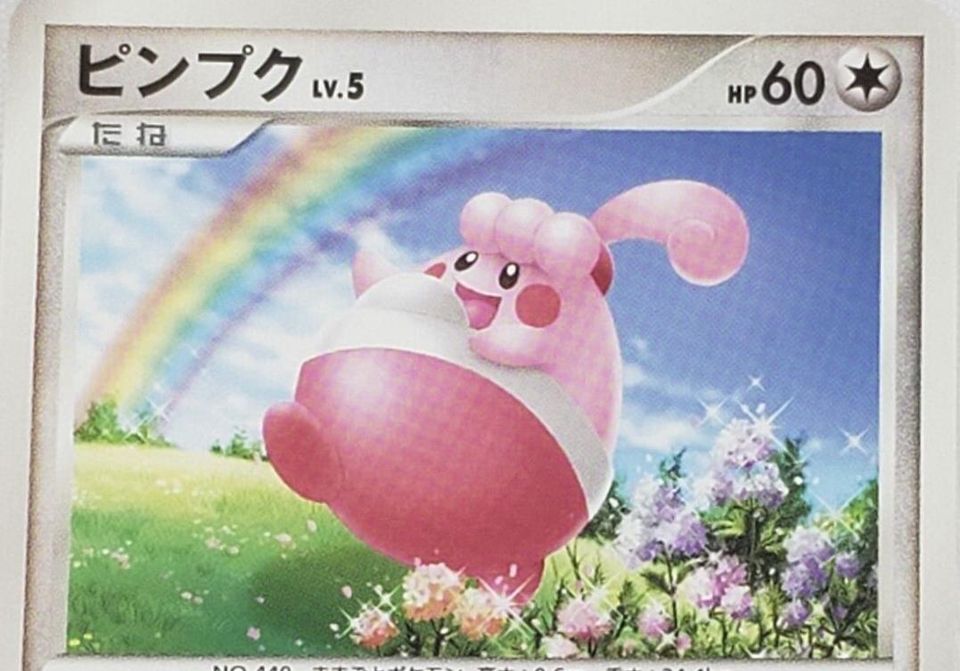
Rising Rivals is a collector-friendly Platinum set, and this Happiny offers another desirable main-set stop for species completists. Its appeal comes more from era and completion than from rarity alone.
This is a smart buy when offered below the cost of tougher promo slabs.
Estimated value: $5.78
- 8
Happiny PSA 10
DPt-P Promotional Cards · 2008 · 44/DP-P
This Japanese DP promo is one of the more interesting niche Happiny targets and carries extra appeal for advanced species collectors. Regional promos like this can be notably tougher to find in top grade.
Verify the exact promo number on the label before buying.
- 9
Happiny PSA 10
DPt-P Promotional Cards · 2009 · 101/DP-P
A deeper Japanese promo pickup, 101/DP-P stands out as the kind of card that separates a casual Happiny collection from a serious one. It appeals strongly to promo specialists and Chansey-family collectors.
Use sold listings rather than asking prices to judge true scarcity.
- 10
Happiny PSA 10
DPt-P Promotional Cards · 2009 · 111/DP-P
This Japanese promo rounds out the list with a true completionist-level target. Cards like this often matter most to collectors who want the fullest possible Happiny checklist in graded form.
Be patient, because niche Japanese promo slabs can surface infrequently.
Frequently asked questions
What is the rarest Happiny card?
Among the most elusive Happiny cards are the Japanese DPt-P promotional releases, which were distributed more narrowly than standard set cards and can be much tougher to locate in top grade.
Is PSA 10 Happiny worth buying?
Yes, if you are collecting the species seriously or targeting clean DP/HGSS-era slabs. PSA 10 examples offer stronger liquidity, clearer condition certainty, and better long-term tracking than raw copies.
How do I find Happiny card prices?
Check eBay sold listings for real market activity, compare asking prices carefully, and use PSA population data to understand grade scarcity. PriceCharting and Slabfolio are also useful for monitoring trends over time.
Whether you're building your first graded Happiny collection or managing a larger Pokémon card portfolio, tracking real market movement matters. Slabfolio helps collectors organize slabs, monitor values, and follow graded card price changes over time.
Related guides
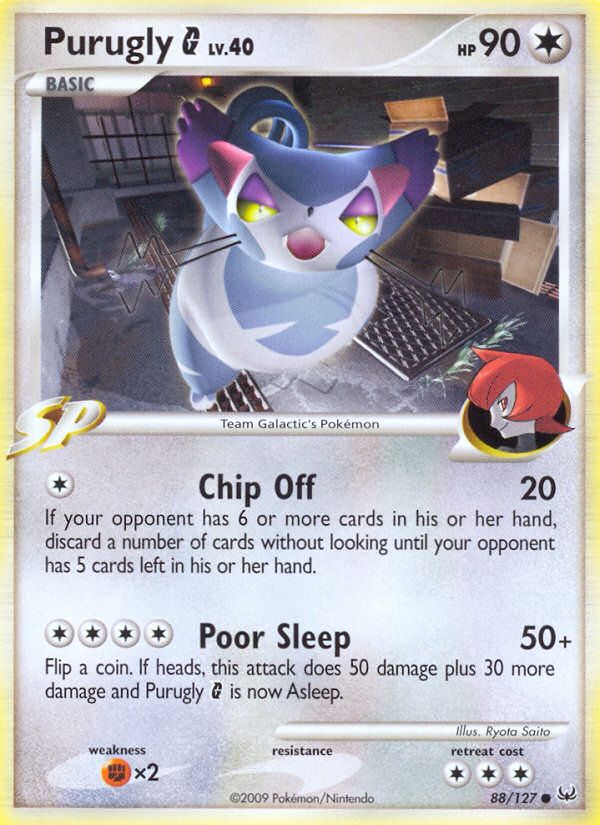
Best Graded Purugly Cards: Collector & Investor Guide
Purugly is a niche Sinnoh-era Pokémon, but that is exactly what gives its best cards collector appeal.
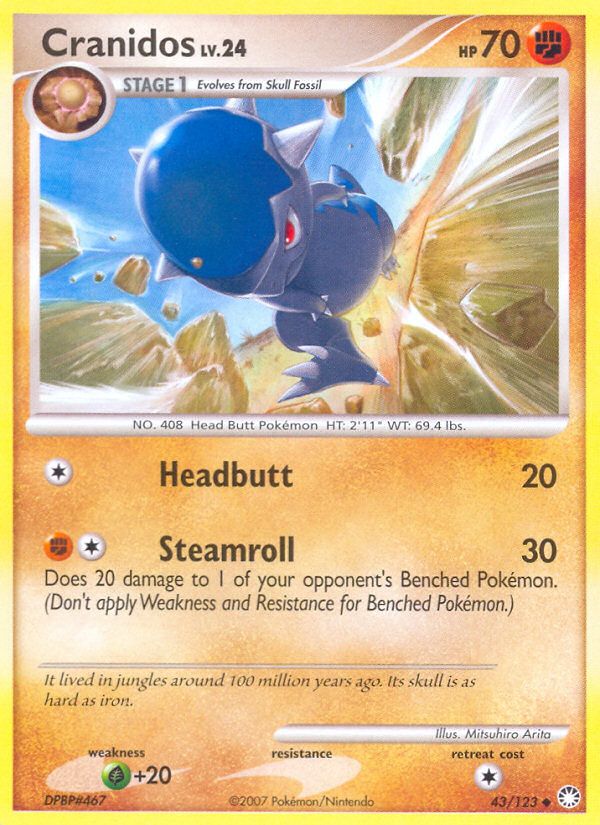
Best Graded Cranidos Cards: Collector & Investor Guide
Cranidos is a niche favorite from the Sinnoh era, and that gives it a very specific kind of collector appeal.
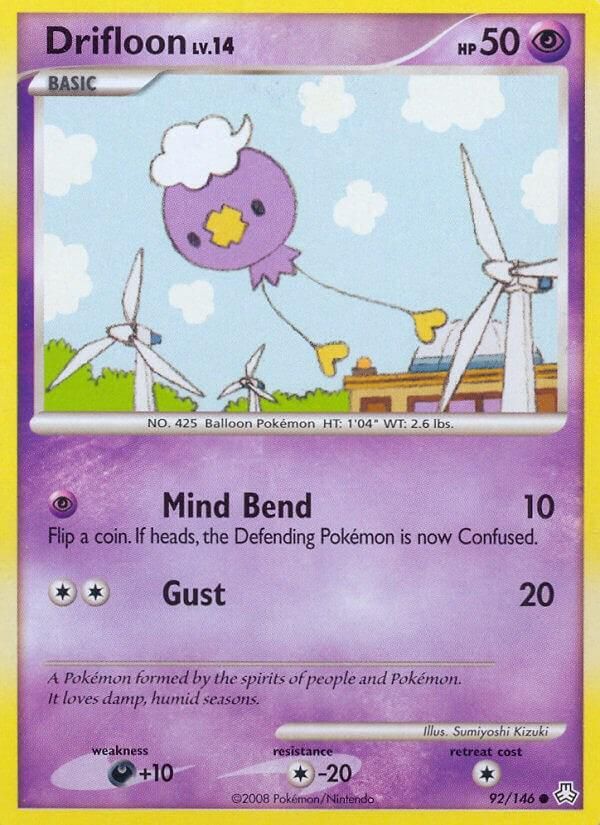
Best Graded Drifloon Cards: Collector & Investor Guide
Drifloon is one of those Sinnoh-era Pokémon that has built a quiet but loyal collector base.
Best Graded Buizel Cards: Collector & Investor Guide
Buizel is one of the most recognizable Water-type Pokémon introduced in the Diamond & Pearl era, and its cards appeal to collectors who enjoy Sinnoh nostalgia, cheerful artwork, and affordable character-focused runs.
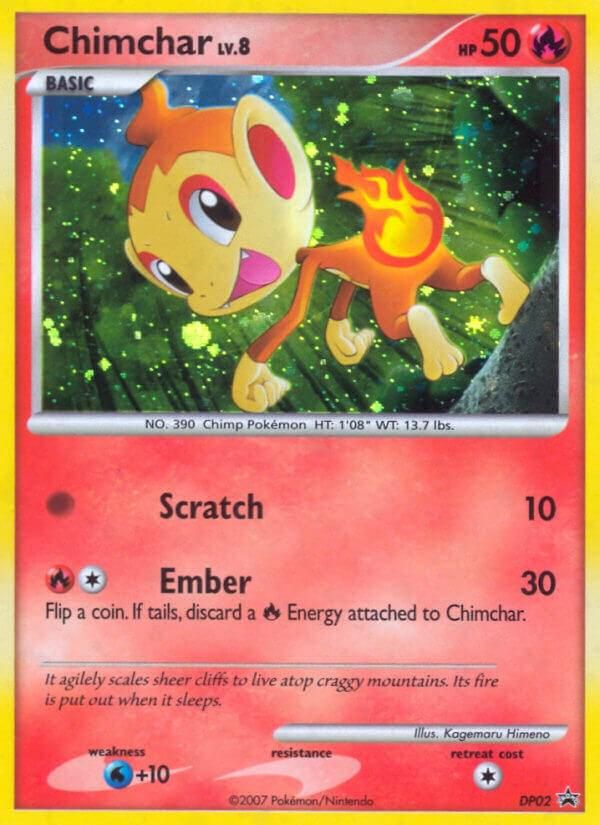
Best Graded Chimchar Cards: Collector & Investor Guide
Chimchar holds a special place for collectors because it is one of the original Sinnoh starter Pokémon, tying it directly to the Diamond & Pearl era that brought a wave of new fans into the hobby.
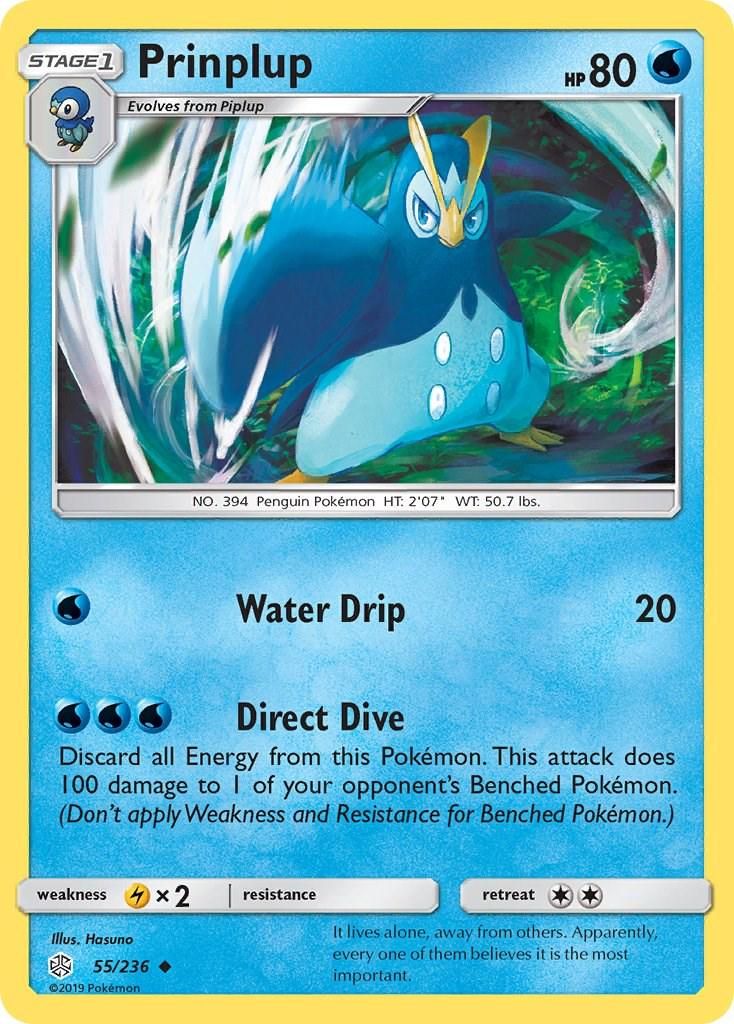
Best Graded Prinplup Cards: Collector & Investor Guide
Prinplup sits in a sweet spot for Sinnoh collectors: it is a true middle-stage starter evolution with strong nostalgia, recognizable Ken Sugimori-era game roots, and a card history that spans the Diamond & Pearl perio...