
Azurill
Best Graded Azurill Cards: Collector & Investor Guide
By Kyle Eggleston · Published May 13, 2026
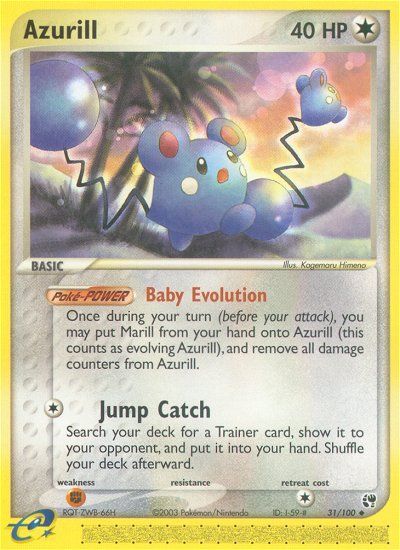
Azurill is a small Baby Pokémon, but its card catalog has a loyal following because it sits at the intersection of early 2000s nostalgia, cute artwork collecting, and the broader Marill line. Most notable Azurill cards come from the EX era and Diamond & Pearl period, with a smaller but interesting group of Japanese-exclusive promo appearances that advanced collectors often chase. For collectors, graded Azurill cards matter because condition is everything on lower-pop character cards. PSA, BGS, and CGC slabs help standardize centering, edges, and surface quality, while also making it easier to compare sales history, population scarcity, and long-term value trends across English and Japanese releases.
Why Azurill Cards Are Worth Collecting
Azurill cards appeal to a different kind of Pokémon collector than headline chase cards. They are character-driven pickups: affordable in lower grades, surprisingly tricky in gem mint, and often anchored by charming artwork that captures the early EX-era and Diamond & Pearl design language. For collectors building Baby Pokémon runs, Hoenn-era binders, or Marill-family collections, Azurill is a natural target.
Another reason Azurill stands out is scarcity by attention rather than rarity alone. Many Azurill cards were overlooked when released, so high-grade examples can be tougher to source than their original pull rates suggest. That creates a useful niche for slab collectors who enjoy low-pop character cards with steady demand from species collectors.
What Makes a Graded Azurill Card Valuable?
- Grade (PSA 10 commands highest premiums)
- Set and era (vintage vs modern sets)
- Rarity and print run
- Population report scarcity
- Recent sold comps on eBay
- Japanese vs English versions
- PSA 10 vs raw comparison
The Best Graded Azurill Cards to Collect
1. Azurill ex Team Rocket Returns 31/109
Team Rocket Returns is one of the most respected EX-era sets, and Azurill 31/109 benefits from that broader set prestige. Even though it is not a holo rare, it is an attractive reverse-holo target in top grade, especially for collectors building species sets from the mid-2000s.
For buyers, condition-sensitive EX-era commons and uncommons can be deceptively hard in PSA 10 because of edge wear and print issues. English copies generally get more attention in the graded market, but Japanese collectors may still prefer domestic-era Baby Pokémon cards for set cohesion.
2. Azurill EX Dragon 69/97
Azurill from EX Dragon is one of the earlier English Azurill cards and a key pickup for anyone focusing on the first major EX-era appearances of the species. Its vintage 2003 placement gives it extra weight in Azurill collections, and many collectors like pairing it with other Hoenn-era Baby Pokémon.
In slabs, this card tends to trade more on era scarcity than flash. Centering and surface quality matter, so a clean PSA 10 can carry a meaningful premium over raw copies that look similar at first glance.
3. Azurill EX Deoxys 63/107
EX Deoxys remains a collector-favorite set, and Azurill 63/107 is a strong species card because of the set's popularity and the period's distinctive artwork style. It is a good example of a card that may not be expensive raw but becomes much more interesting once graded at gem mint.
Collectors should compare regular and reverse-holo demand when reviewing comps, since EX-era reverses often attract niche set builders. English copies usually have the broader resale audience, while Japanese collectors may focus on equivalent ADV/PCG-era releases instead.
4. Azurill EX Emerald 59/106
EX Emerald is another cornerstone Azurill card from the mid-2000s and one of the more recognizable English options for the species. It fits well in both Azurill master sets and EX-era Baby Pokémon runs, and it benefits from the continued popularity of Emerald-era Pokémon products.
If buying graded, watch for whitening and print lines that can hold a card back from PSA 10. This is the kind of card where the slab can matter much more than the raw appearance in listing photos.
5. Azurill Delta Species 45/101
Delta Species has a dedicated collector base, and Azurill 45/101 stands out because it belongs to one of the most stylistically unique set themes in the entire EX block. That makes it a better long-term conversation piece than a typical common species card from the era.
For collectors, this is a smart pickup if you enjoy set identity as much as Pokémon character appeal. PSA 10 examples can be worth pursuing because Delta Species cards are often collected as a complete graded subset.
6. Azurill Mysterious Treasures 70/123
Mysterious Treasures gave Azurill a Diamond & Pearl-era release that is easy to overlook but important for species completion. It represents the transition away from the EX block and into a more modern card frame, which helps diversify an Azurill slab collection across eras.
This card is usually more accessible than the key EX-era options, making it a practical entry point for newer graded collectors. It may not be the rarest, but clean PSA 10 copies still appeal to character collectors who want every major English Azurill release.
7. Azurill Great Encounters 54/106
Great Encounters Azurill is another solid Diamond & Pearl-era pickup and a useful card for collectors who want to compare multiple artworks and frame styles within one species run. It is not a headline card, but it contributes to a well-rounded graded Azurill portfolio.
When buying, look for strong centering on the front border and minimal edge chipping. Lower-profile D&P cards can be excellent value in PSA 10 because collector demand is steady even when the card is not heavily speculated on.
8. Azurill Triumphant 61/102
Triumphant sits late in the HeartGold & SoulSilver era, giving Azurill a more modern pre-Black & White appearance that still feels nostalgic to many collectors. That makes 61/102 a nice bridge card between early EX prints and later-generation releases.
Collector interest here is driven less by rarity and more by completion. If you are building a graded species set, this card often becomes more important than the market initially suggests.
9. Azurill BW Promo BW37
Azurill BW37 is a notable promo because promos often have different distribution patterns and can become tougher to source in top condition than pack-issued commons. For species collectors, official English promos are always important checkpoints in a complete graded run.
Buyers should verify the exact promo numbering and inspect sealed-origin examples carefully, since promo packaging can introduce surface issues. PSA 10 promo copies generally command stronger premiums because fewer pristine examples survive compared with bulk set cards.
10. Azurill PokéPark Forest 006/PCG-P
Japanese-exclusive Azurill promos are where advanced collectors can separate a basic species run from a truly special one, and PokéPark Forest 006/PCG-P is among the most interesting. PCG-P promos have a devoted niche following, and cards tied to special distributions carry extra historical appeal.
This is the kind of Azurill slab that can be much harder to replace than an English set card. Japanese promo collectors should pay close attention to surface cleanliness and provenance, because attractive PSA 10 examples do not appear as often as mainstream set cards.
Vintage vs Modern Azurill Cards
Vintage-style Azurill cards, especially from the EX era, usually offer the strongest collector appeal because they combine lower surviving gem-mint supply with a more nostalgic release window. Modern Azurill cards can still be worthwhile, particularly for species completion and affordable PSA 10 collecting, but the earliest EX and Japanese promo issues generally have the best long-term profile as centerpiece slabs.
How to Track Azurill Card Prices
Use eBay sold listings, PriceCharting, and PSA pop reports to gauge value. Slabfolio lets you look up graded card prices, upload your slab, and track your portfolio in one place.
FAQ
What is the rarest Azurill card?
For most collectors, Japanese promo releases like PokéPark Forest Azurill 006/PCG-P are among the hardest to source, especially in PSA 10. They were distributed more narrowly than standard set cards and surface less often on the open market.
Is PSA 10 Azurill worth buying?
Yes, if you collect character Pokémon, Baby Pokémon, or EX-era species runs. PSA 10 Azurill cards are usually more about scarcity and set completion than hype, which can make them appealing long-term collector pieces.
How do I find Azurill card prices?
Check eBay sold listings first, then compare PriceCharting data and PSA population reports. Slabfolio is useful for tracking graded Azurill cards in one place over time.
Prices as of Oct 21, 2026
- 1
Azurill PSA 10
EX Team Rocket Returns · 2004 · 31/109
Released in 2004, this Azurill comes from one of the most respected EX-era sets. Team Rocket Returns has a deep collector base, which helps even non-holo species cards gain attention in high grade.
Prioritize reverse holo copies with clean edges, since EX-era foil and border wear can be the biggest PSA 10 blocker.
Estimated value: $6.5
- 2
Azurill PSA 10
EX Dragon · 2003 · 69/97
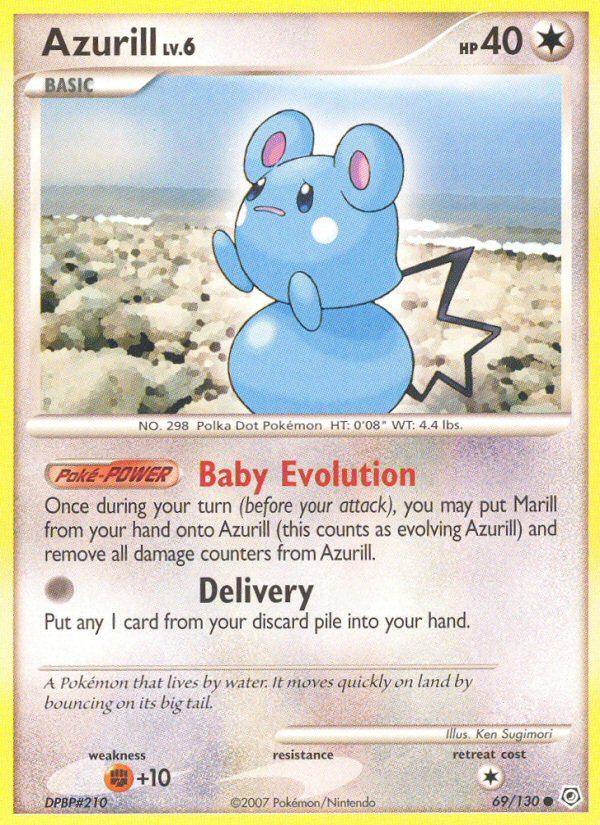
EX Dragon delivered one of Azurill's earliest English set cards. Its 2003 release date makes it a foundational piece for species collectors focused on the first major Azurill-era printings.
This is a strong buy for collectors building early EX-era species runs, especially if you want one of the oldest English Azurill slabs.
Estimated value: $6.46
- 3
Azurill PSA 10
EX Deoxys · 2005 · 63/107
EX Deoxys remains a highly collected set from the mid-2000s, and Azurill 63/107 benefits from that demand. It is a classic niche slab: modest raw, much more interesting in gem mint condition.
Compare regular and reverse holo markets carefully, because EX-era reverse holo species cards often outperform expectations.
- 4
Azurill PSA 10
EX Emerald · 2005 · 59/106
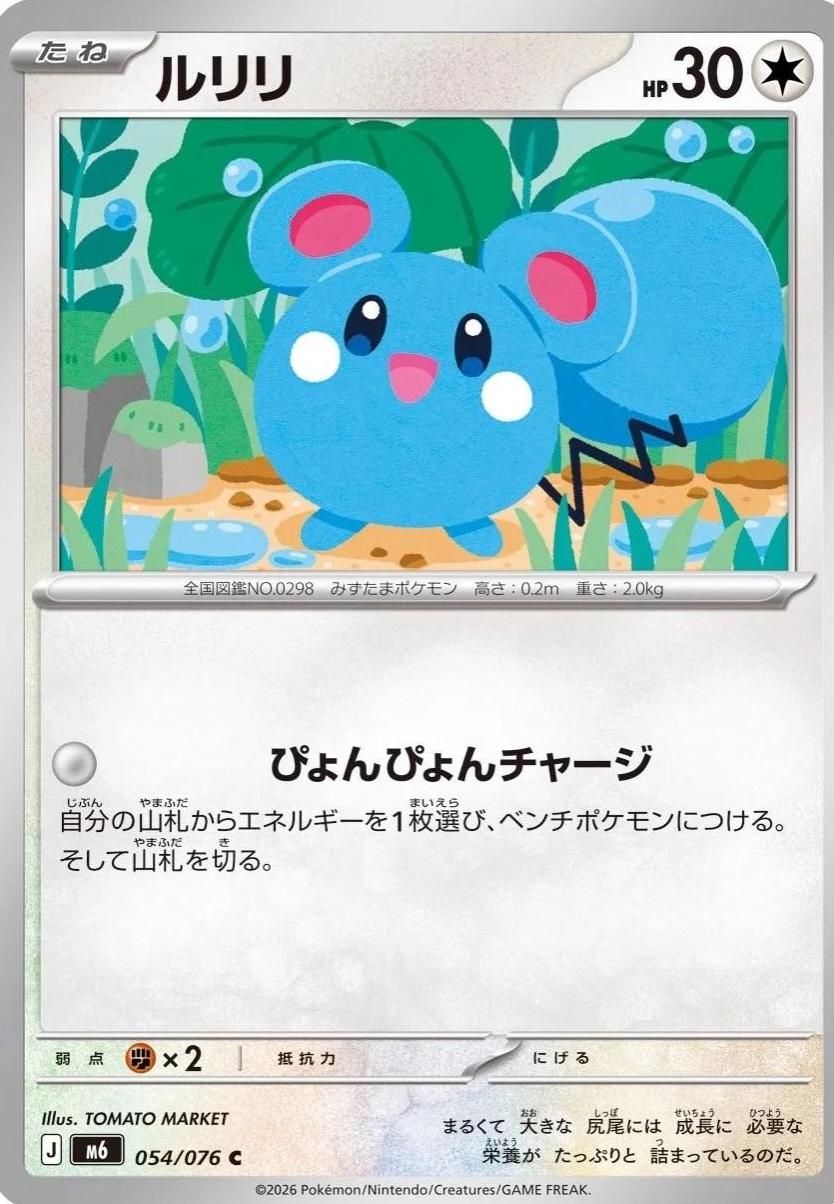
This 2005 EX Emerald card is one of the key English Azurill appearances from the Hoenn era. It is especially appealing to collectors who enjoy Emerald-linked Pokémon products and Baby Pokémon from the EX block.
Watch for front-edge whitening and subtle surface scratches that can look minor raw but cap the grade.
Estimated value: $1.71
- 5
Azurill PSA 10
Delta Species · 2005 · 45/113
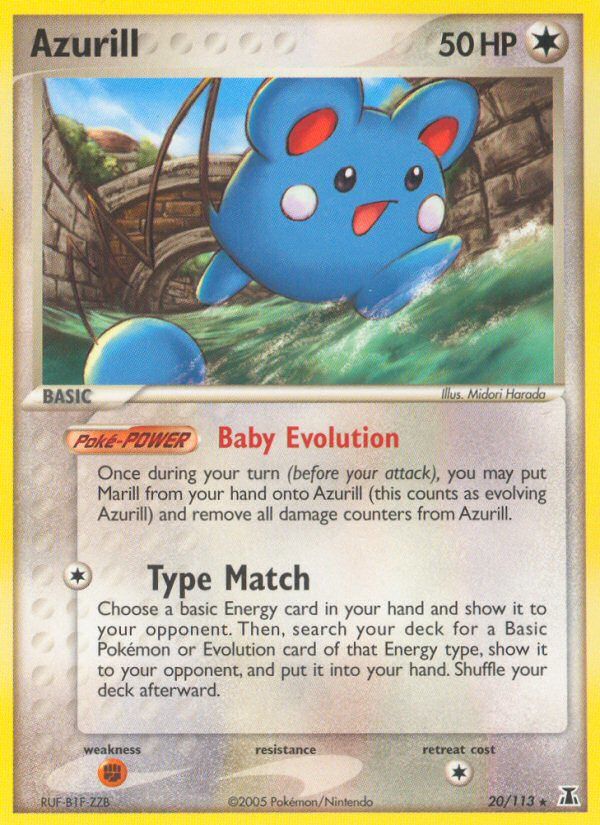
Azurill in Delta Species gives the Pokémon a place in one of the most distinctive set concepts ever released. That unique set identity helps the card stand out versus more routine common printings.
Buy this if you value set theme and long-term niche demand as much as pure rarity.
Estimated value: $32.75
- 6
Azurill PSA 10
Mysterious Treasures · 2007 · 70/123
Mysterious Treasures marked Azurill's move into the Diamond & Pearl era, making it an important checkpoint in a complete species run. It is less flashy than EX-era cards but still relevant for full graded collections.
A practical entry-level slab for newer collectors who want a gem-mint Azurill without jumping straight into tougher EX-era stock.
- 7
Azurill PSA 10
Great Encounters · 2008 · 54/106
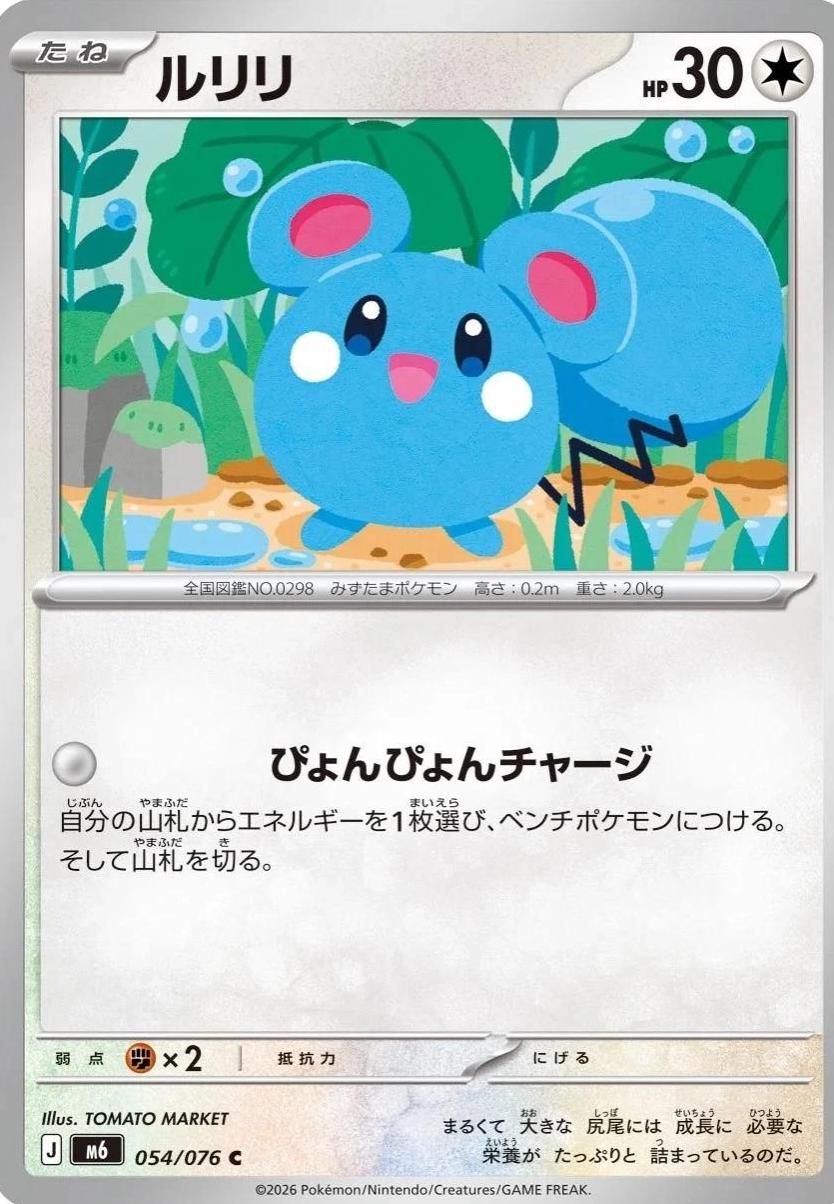
Great Encounters added another Diamond & Pearl-era Azurill, giving collectors a second D&P artwork and frame-style option. That variety matters when assembling a visually interesting slab lineup.
This is a strong supporting card for species completion and often overlooked in favor of older EX releases.
Estimated value: $1.71
- 8
Azurill PSA 10
Triumphant · 2010 · 61/102
Azurill 61/102 from Triumphant gives the species a HeartGold & SoulSilver-era presence, extending its collectible run into another fan-favorite generation. It is not the rarest card, but it broadens an Azurill collection nicely.
Useful as a bridge card between early-era nostalgia and more modern grading-friendly releases.
- 9
Azurill PSA 10
BW Black Star Promos · 2011 · BW37
BW37 is Azurill's English Black Star Promo, and promo numbering makes it a must-have for serious species collectors. Promos often have different survival patterns than pack-issued cards, which can create extra grading appeal.
Check for packaging-related surface marks before paying PSA 10 prices on promo copies.
- 10
Azurill PSA 10
PokéPark Forest · 2005 · 006/PCG-P
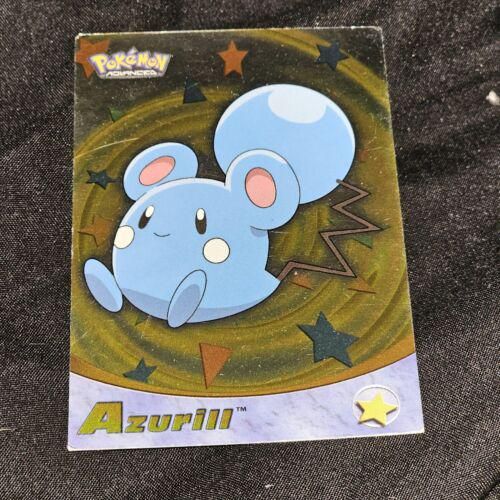
This Japanese PokéPark Forest promo is one of the most specialized Azurill cards collectors can chase. PCG-P promos are popular with advanced Japanese collectors because of their event-linked distribution and lower mainstream visibility.
If you want a standout Azurill slab beyond standard English set cards, this is one of the best promo targets.
Estimated value: $60
Frequently asked questions
What is the rarest Azurill card?
For most collectors, Japanese promo releases like PokéPark Forest Azurill 006/PCG-P are among the hardest to source, especially in PSA 10. They were distributed more narrowly than standard set cards and surface less often on the open market.
Is PSA 10 Azurill worth buying?
Yes, if you collect character Pokémon, Baby Pokémon, or EX-era species runs. PSA 10 Azurill cards are usually more about scarcity and set completion than hype, which can make them appealing long-term collector pieces.
How do I find Azurill card prices?
Check eBay sold listings first, then compare PriceCharting data and PSA population reports. Slabfolio is useful for tracking graded Azurill cards in one place over time.
Whether you're building your first graded Azurill collection or managing a larger Pokémon card portfolio, tracking real market movement matters. Slabfolio helps collectors organize slabs, monitor values, and follow graded card price changes over time.
Related guides
Best Graded Vigoroth Cards: Collector & Investor Guide
Vigoroth is not a headline-chasing Pokémon in the TCG, but that is exactly why many collectors enjoy it.
Best Graded Aron Cards: Collector & Investor Guide
Aron is a small Steel-type with a surprisingly deep collector niche.
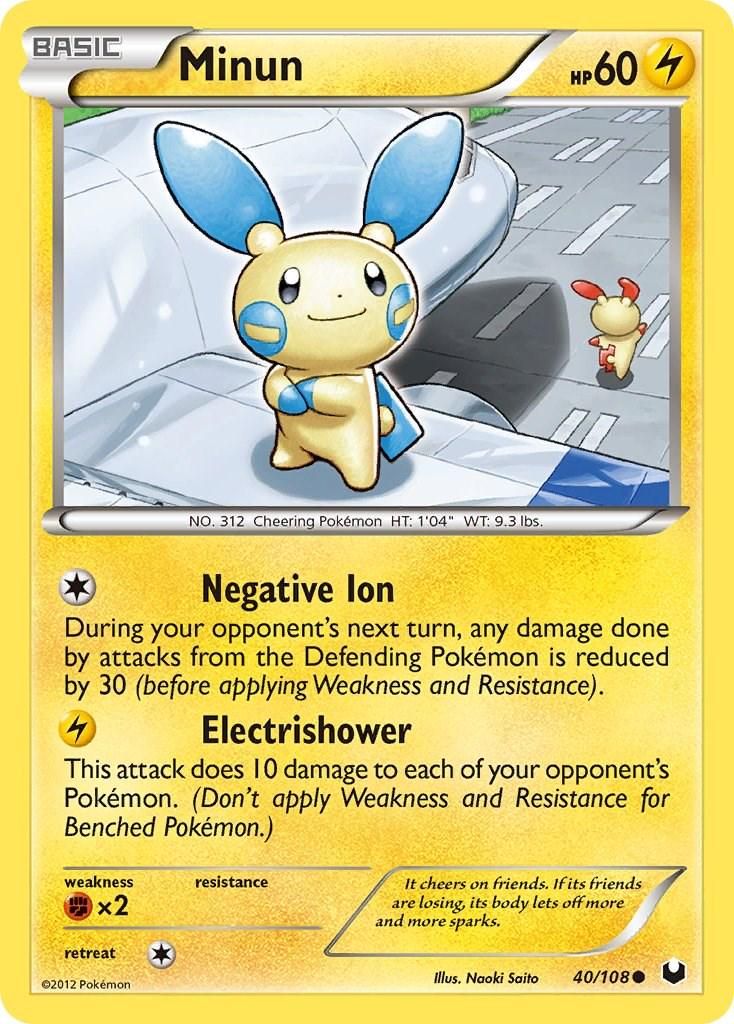
Best Graded Minun Cards: Collector & Investor Guide
Minun has always been a niche favorite for collectors who appreciate the early EX-era sidekick Pokémon and the playful Plusle pairing that defined a lot of Hoenn-era artwork.
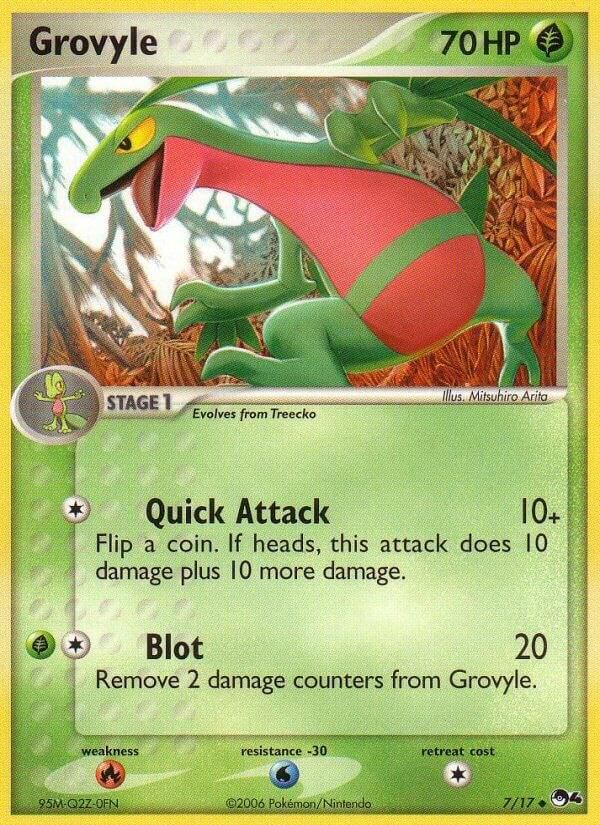
Best Graded Grovyle Cards: Collector & Investor Guide
Grovyle has a smaller card catalog than headline stars like Charizard or Pikachu, but that is exactly why it appeals to focused collectors.
Best Graded Poochyena Cards: Collector & Investor Guide
Poochyena is one of the defining common Pokémon of the Hoenn era, so its best cards appeal less through headline rarity and more through era nostalgia, memorable artwork, and condition-sensitive collecting.
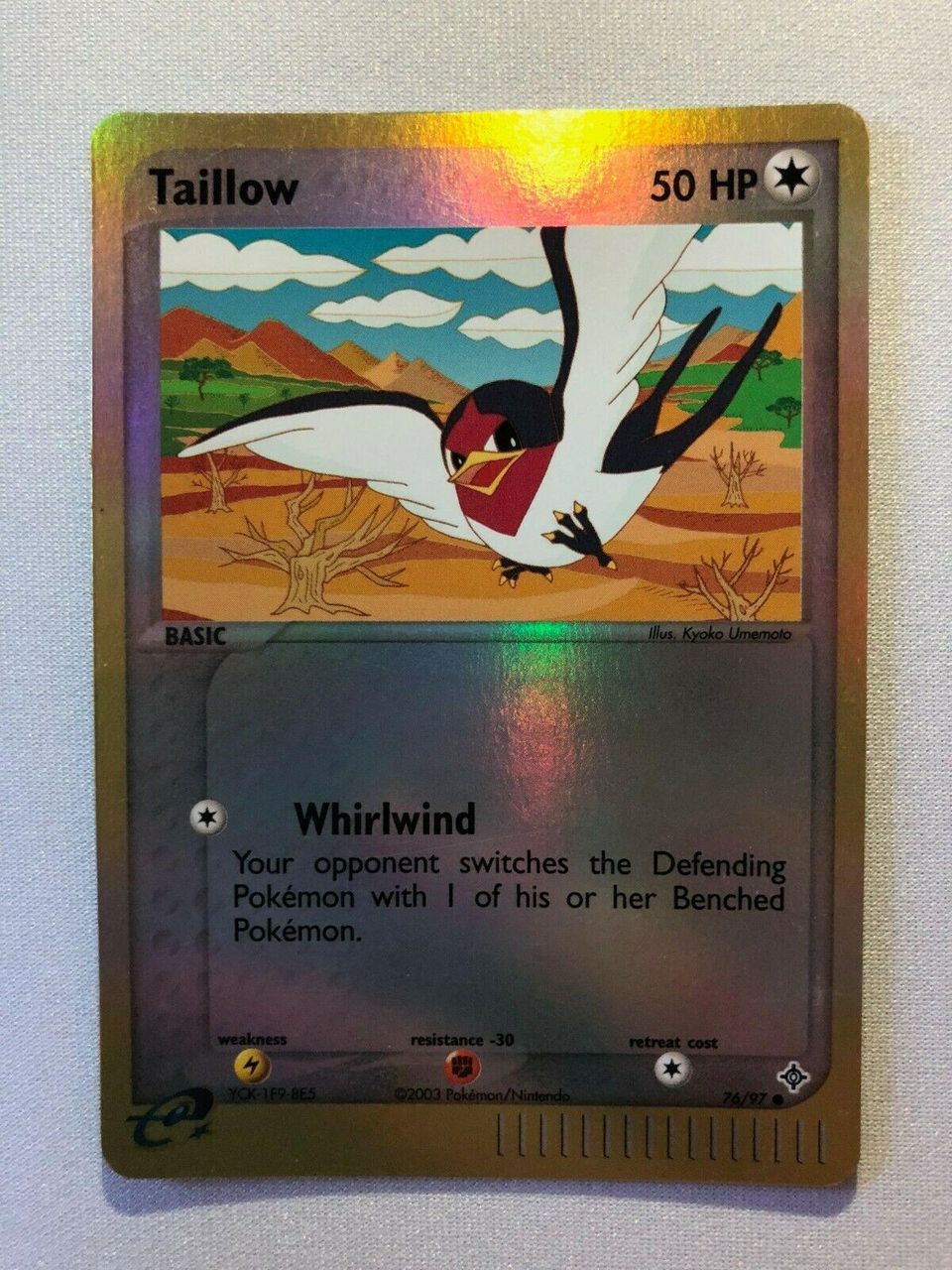
Best Graded Taillow Cards: Collector & Investor Guide
Taillow is a minor species in the broader Pokémon TCG, but that is exactly why it appeals to focused collectors.