
Rattata
Best Graded Rattata Cards: Collector & Investor Guide
By Kyle Eggleston · Published May 13, 2026
Updated Sep 20, 2026
Rattata is not a marquee Pokémon, but that is exactly why it has a loyal collector base. For many longtime players, Rattata is tied to early Route 1 memories, classic Game Boy nostalgia, and the humble common cards that defined opening packs in the late 1990s. Its best cards span Wizards of the Coast era releases, Japanese vending and introductory products, and select modern printings that spotlight both Kanto nostalgia and Alolan forms. Graded Rattata cards matter because condition is everything on low-popularity commons and early Japanese prints. PSA, BGS, and CGC slabs help separate truly scarce high-grade examples from ordinary binder copies, while also making it easier to compare sales history, monitor population reports, and track long-term value trends across English and Japanese versions.
Why Rattata Cards Are Worth Collecting
Rattata cards appeal to a specific kind of collector: the person who values complete Pokédex runs, early-game nostalgia, and artwork-driven collecting over headline chase cards. Because Rattata appeared in some of the hobby's foundational sets, it gives collectors an accessible way to own pieces of Pokémon TCG history without needing to chase only expensive holo rares.
The character also has surprising depth across the card catalog. Vintage English commons from Base Set and Team Rocket are instantly recognizable, while Japanese-exclusive and early-era products offer scarcer, more nuanced targets for slab collectors. In high grade, even seemingly simple Rattata cards can become tough condition plays.
What Makes a Graded Rattata Card Valuable?
- Grade (PSA 10 commands highest premiums)
- Set and era (vintage Base Set vs modern)
- Rarity and print run
- Population report scarcity
- Recent sold comps on eBay
- Japanese vs English versions
- PSA 10 vs raw comparison
The Best Graded Rattata Cards to Collect
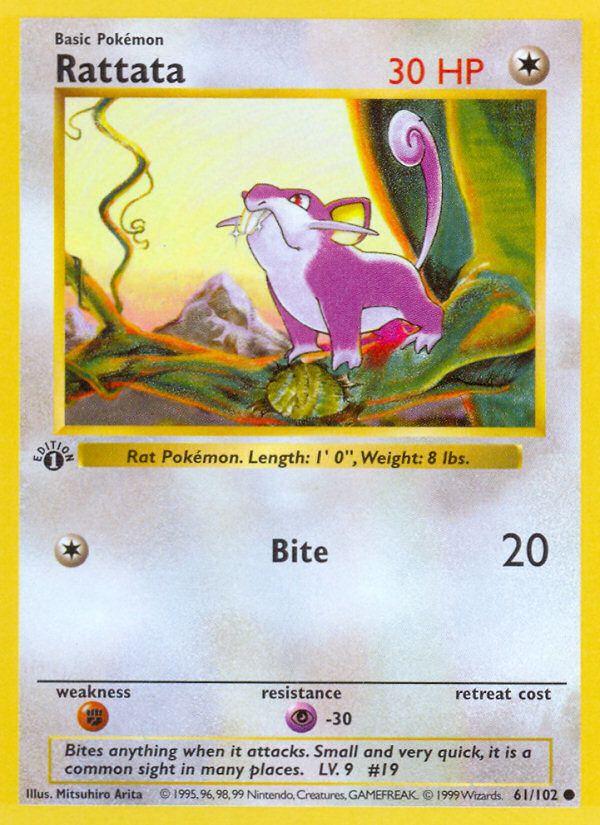
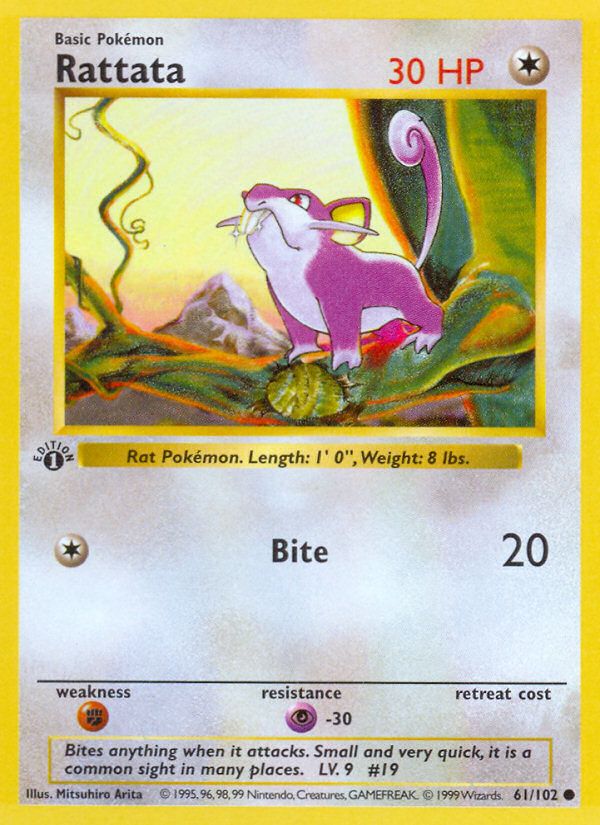
1. Rattata. Base Set 61/102
Base Set Rattata is the default grail for many species collectors because it is the first major English Rattata card and one of the most recognizable common cards from the hobby's foundational era. Its status as a Base Set original gives it broad nostalgia appeal, and truly clean high-grade copies can be harder to source than many collectors expect.
For graded buyers, centering and edge wear matter a lot on this release. English Base Set copies tend to attract stronger mainstream demand, while Japanese counterparts from the era can offer a different condition and pricing profile for collectors building parallel species runs.
2. Rattata. Team Rocket 66/82
Team Rocket Rattata is one of the most flavorful vintage Rattata cards thanks to the set's darker tone and strong association with Kanto-era villain themes. Even as a common, it fits naturally into Team Rocket master sets, species collections, and WotC slab runs.
Collectors should pay close attention to print quality and whitening, especially on the back. High-grade English copies are popular with vintage set builders, while Japanese Rocket-era versions can appeal to collectors who prefer sharper print quality and earlier release timelines.
3. Rattata. Expedition Base Set 111/165
Expedition Rattata stands out because of the e-Reader era border design and the broader collector interest surrounding early 2000s experimental Pokémon TCG layouts. For Rattata collectors, it represents a major aesthetic shift away from WotC classic-era presentation while still retaining strong nostalgia.
Graded examples can be appealing because Expedition cards often show edge and surface issues that keep gem-mint copies from being trivial. English copies usually get more attention from e-Reader completists, but Japanese e-series collecting can be a strong alternative lane.
4. Dark Raticate. Team Rocket 51/82
While not a Rattata card, Dark Raticate is a logical companion piece in species-line collecting and one of the strongest related vintage Rocket cards for Rattata-focused collectors. Many slab collectors like to pair Rattata with its evolution when building displayable graded runs, and Dark Raticate is the most iconic vintage option.
In graded form, this card benefits from Team Rocket set demand and the popularity of dark Pokémon. English copies often see the most crossover interest, while Japanese versions can offer sharper surfaces and appeal to collectors assembling complete Rocket evolution lines.
5. Rattata. Gym Challenge 89/132
Gym Challenge Rattata gives collectors another strong WotC-era English target with a distinct late-vintage feel. Cards from the Gym block have enduring popularity because of their connection to iconic trainers, and even commons can be surprisingly satisfying in a graded binder or slab case.
For buyers, the main attraction is era diversity: it broadens a Rattata collection beyond Base, Rocket, and Neo-era style. High-grade copies can be worth pursuing if you want a more complete WotC species run rather than only the most famous first appearances.
6. Rattata. Neo Destiny 78/105
Neo Destiny Rattata is a nice bridge between classic WotC collecting and the final phase of the original Neo era. It does not have the same first-appearance status as Base Set, but it benefits from being in a well-regarded late-vintage set that many collectors revisit for complete runs.
Gem-mint copies can be tougher than they first appear due to common handling wear on vintage commons. English versions are usually the default target for set collectors, while Japanese Neo cards can be attractive for collectors who value cleaner card stock and printing.
7. Rattata. Japanese Vending Series 1
Japanese Vending Series Rattata is one of the most distinctive picks for advanced species collectors. The vending cards stand apart because of their unique distribution, peel-sheet origins, and unmistakable visual style, making them far more interesting than an ordinary common for collectors who want something genuinely different.
Condition sensitivity is a major factor here, especially with surface and edge issues tied to how vending cards were originally handled. This is the kind of slab that can elevate a Rattata collection from simple nostalgia to true niche specialization.
8. Rattata. Japanese Intro Pack (1998)
The Japanese Intro Pack version of Rattata is an excellent deep-cut card for collectors who appreciate early Japanese releases. These introductory-deck era cards carry strong historical interest because they sit near the beginning of the Pokémon TCG timeline and can be overlooked compared with flashier set cards.
Collectors should verify the exact release and card details carefully when buying graded Japanese early-era cards. The appeal here is less about hype and more about owning a legitimate early print with strong historical context for Kanto species collectors.
9. Alolan Rattata. Sun & Moon 77/149
Alolan Rattata brought the species back into focus for modern-era collectors by giving it a regional form with a fresh design identity. This card is an accessible modern slab target that connects classic Kanto nostalgia with the franchise's later-worldbuilding approach.
For graded buyers, modern PSA 10 examples can be attractive because they are clean, display well, and offer a lower-cost entry point than vintage gems. English copies are the most straightforward option, while Japanese versions may interest collectors building complete Alolan-form runs.
10. Rattata. XY Evolutions 66/108
XY Evolutions Rattata is one of the best modern nostalgia plays for the species because the set intentionally echoed the look and feel of the original Base Set era. That gives it crossover appeal among collectors who enjoy vintage-style artwork and layout without paying true vintage prices.
A PSA 10 Evolutions copy can make sense for collectors who want a clean, affordable slab with instant recognizability. It is also a strong side-by-side display piece next to Base Set Rattata, highlighting how the hobby revisited Kanto for a new generation.
Vintage vs Modern Rattata Cards
Vintage Rattata cards usually carry the strongest collector prestige because they tie directly to the earliest years of the Pokémon TCG and benefit from nostalgia, lower surviving gem-mint supply, and set-builder demand. Modern Rattata cards, especially Alolan and Evolutions-era options, are typically easier to source in top grade and can be better entry points for budget-conscious collectors. As investment vehicles, vintage generally has the stronger long-term collector floor, while modern slabs work best as affordable, condition-sensitive complements to a broader species collection.
How to Track Rattata Card Prices
Use eBay sold listings, PriceCharting, and PSA pop reports to gauge value. Slabfolio lets you look up graded card prices, upload your slab, and track your portfolio in one place.
FAQ
What is the rarest Rattata card?
For most collectors, the rarest Rattata cards are usually early Japanese releases and vending-era variants rather than standard English commons. Scarcity in high grade often matters more than baseline rarity for this species.
Is PSA 10 Rattata worth buying?
Yes, if you collect by species, vintage set, or niche condition rarity. PSA 10 Rattata cards are usually about collector satisfaction and long-term scarcity in top grade rather than short-term hype.
How do I find Rattata card prices?
Check recent eBay sold listings, compare certified examples on PriceCharting, and review population data from PSA. Slabfolio can help centralize price lookup and portfolio tracking once you start buying graded copies.
Prices as of Oct 21, 2026
- 1
Rattata PSA 10
Base Set · 1999 · 61/102
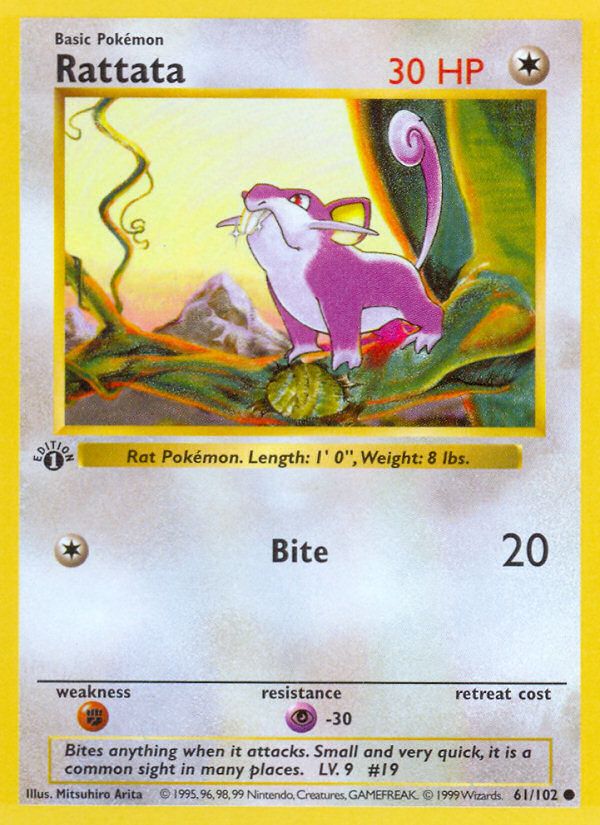
Base Set Rattata is the key English rookie-era card for the species and the one most collectors recognize immediately. It remains a cornerstone for Pokédex collectors and WotC set builders.
Prioritize clean centering and strong back edges, since vintage commons often hide more wear than listing photos show.
Estimated value: $1.71
- 2
Rattata PSA 10
Team Rocket · 2000 · 66/82
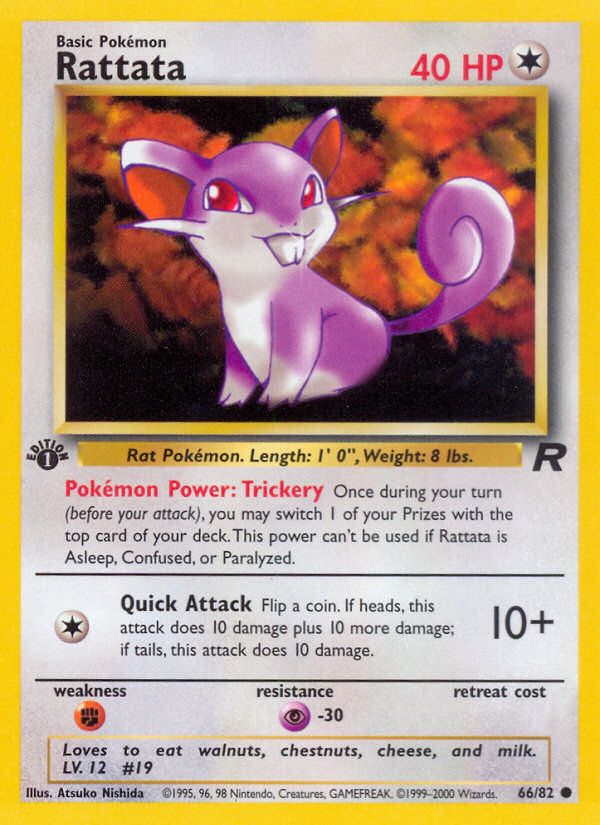
This vintage Team Rocket printing gives Rattata stronger thematic identity and broadens a species run beyond Base Set. It is a natural pickup for collectors who like dark-era Kanto cards.
Rocket commons can show back whitening easily, so ask for sharp slab scans before buying.
Estimated value: $1.11
- 3
Rattata PSA 10
Expedition Base Set · 2002 · 111/165
Expedition Rattata represents the e-Reader era and gives the species a very different visual style from classic WotC layouts. It is popular with collectors building era-diverse graded runs.
Surface quality matters on Expedition cards, so inspect for print lines and holo-adjacent scratching on neighboring slabbed cards from the seller.
- 4
Rattata PSA 10
Gym Challenge · 2000 · 89/132
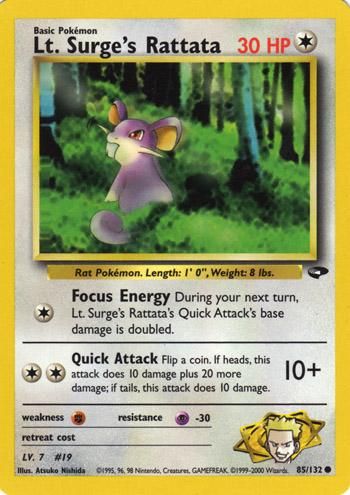
Gym Challenge Rattata adds late-WotC depth to a Rattata species collection and benefits from the enduring popularity of Gym-era sets. It is a strong second-tier vintage target after Base and Rocket.
Buy this card if you want a fuller WotC run rather than only the species' earliest appearances.
Estimated value: $1.99
- 5
Rattata PSA 10
Neo Destiny · 2002 · 78/105
As a late-vintage WotC card, Neo Destiny Rattata is appealing to collectors who want every major era represented in one graded species lineup. It carries more set prestige than many later common printings.
Look for clean corners, since Neo-era commons often miss gem grades due to subtle edge wear.
- 6
Rattata PSA 10
XY Evolutions · 2016 · 66/108
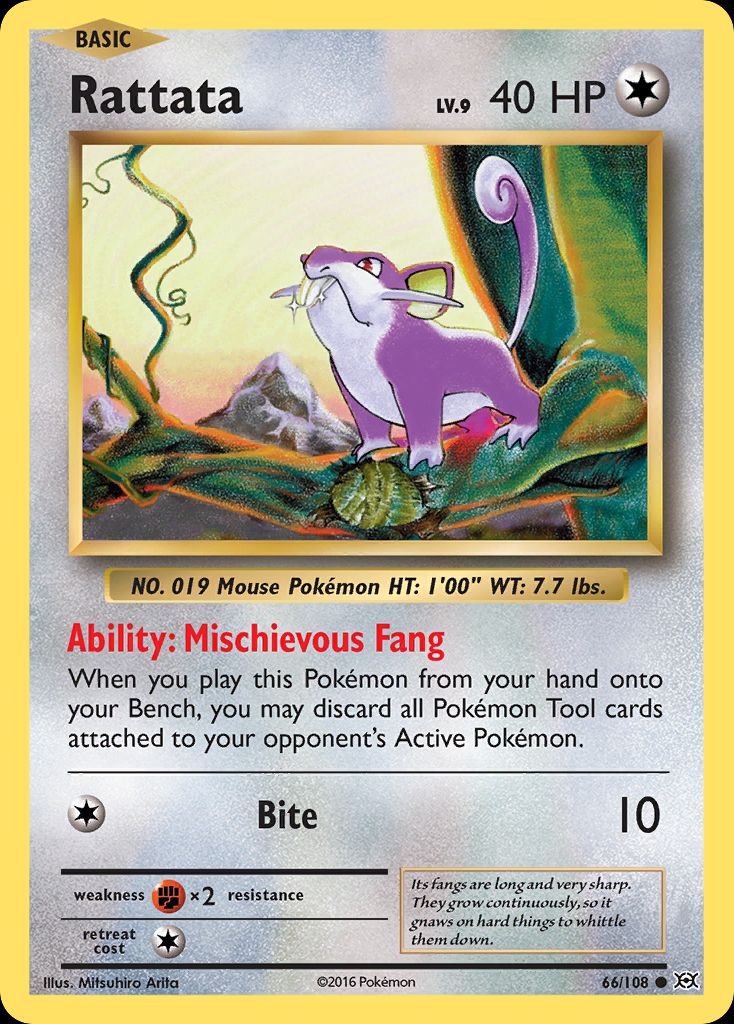
Evolutions Rattata is one of the best modern nostalgia plays because the set revisits the original Kanto-era look. It pairs especially well in display with Base Set Rattata.
This is a smart entry slab for collectors who want a gem-mint copy without paying true vintage premiums.
- 7
Alolan Rattata PSA 10
Sun & Moon · 2017 · 77/149
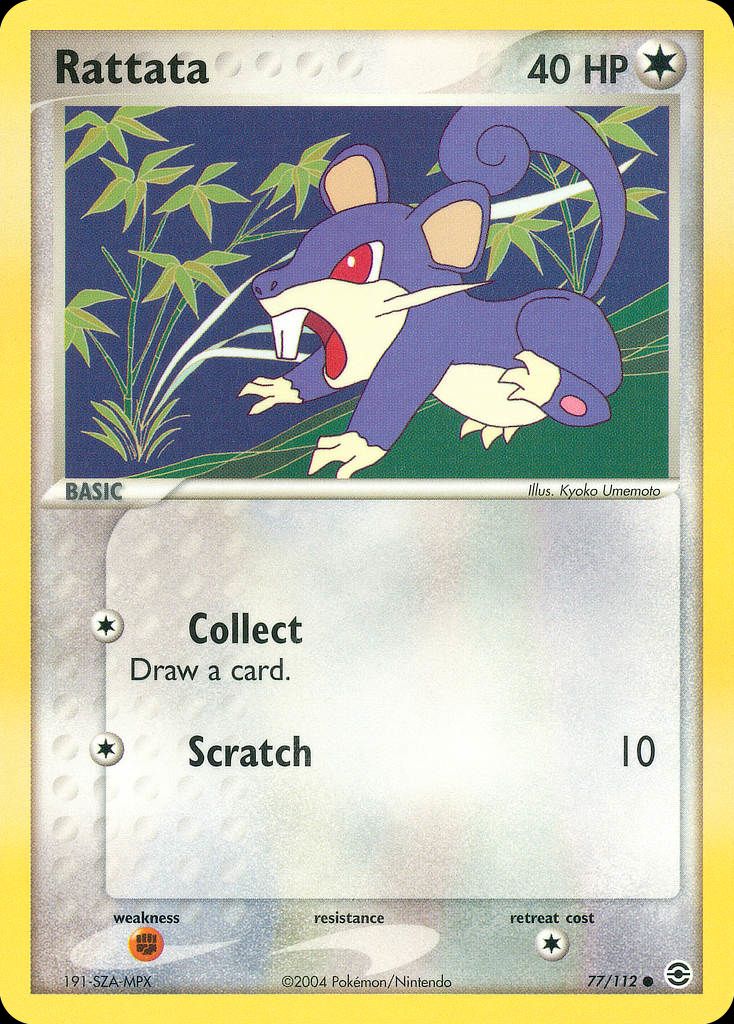
Alolan Rattata gave the species a meaningful modern refresh and made it relevant to regional-form collectors. It is one of the cleanest modern-era slab targets for Rattata fans.
Consider pairing English and Japanese PSA 10 copies if you collect regional variants across languages.
Estimated value: $0.26
- 8
Rattata PSA 10
Japanese Vending Series 1 · 1998 · No. 19
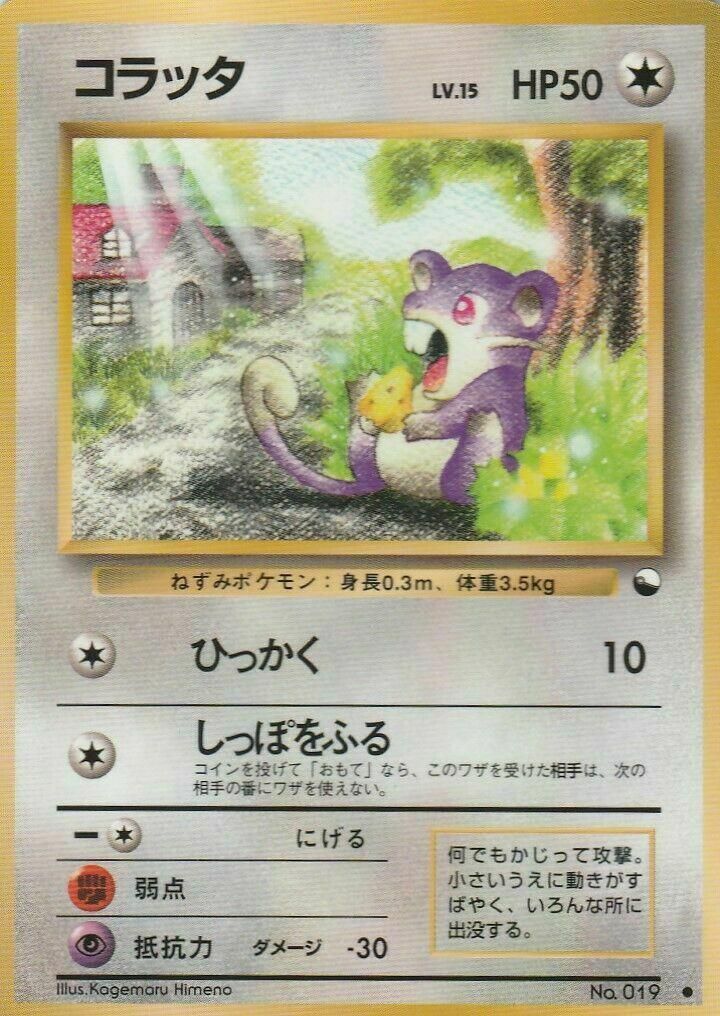
Japanese Vending Series Rattata is a serious collector-focused pickup because of its unique distribution and standout visual identity. It is one of the most distinctive Rattata slabs available.
Verify vending-series numbering and seller scans carefully, since condition and exact version are crucial on these early Japanese cards.
Estimated value: $15.51
- 9
Rattata PSA 10
Japanese Intro Pack · 1998 · No. 19
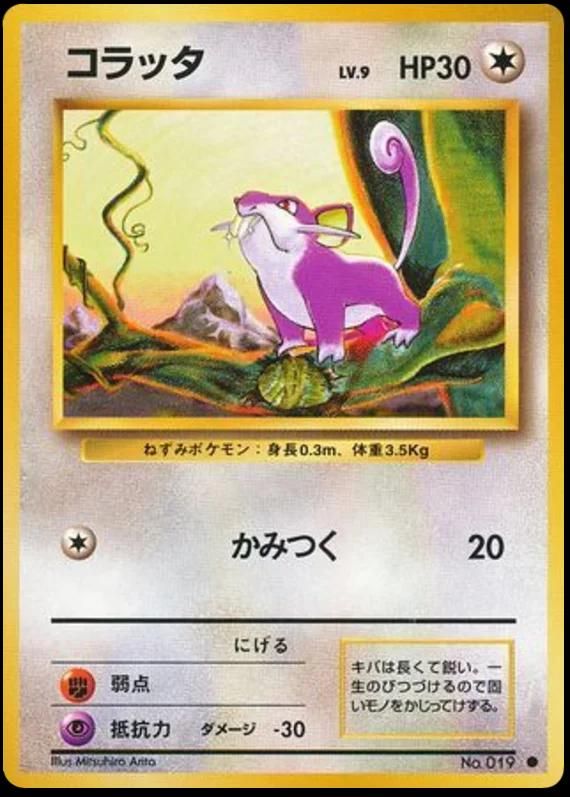
The Japanese Intro Pack printing is an early-era Rattata that appeals to collectors who care about historical context more than mainstream demand. It is a strong niche slab for advanced species collectors.
Early Japanese product cards reward careful research, so confirm the release source before committing to a premium grade.
- 10
Rattata PSA 10
Jungle · 1999 · 61/64
Jungle Rattata is another foundational WotC-era common that helps complete a true early Kanto species run. It is less iconic than Base Set but still important for vintage-focused collectors.
If you're building a classic WotC lineup, add Jungle after Base and Rocket to create a more complete early-era trio.
Frequently asked questions
What is the rarest Rattata card?
For most collectors, the rarest Rattata cards are usually early Japanese releases and vending-era variants rather than standard English commons. Scarcity in high grade often matters more than baseline rarity for this species.
Is PSA 10 Rattata worth buying?
Yes, if you collect by species, vintage set, or niche condition rarity. PSA 10 Rattata cards are usually about collector satisfaction and long-term scarcity in top grade rather than short-term hype.
How do I find Rattata card prices?
Check recent eBay sold listings, compare certified examples on PriceCharting, and review population data from PSA. Slabfolio can help centralize price lookup and portfolio tracking once you start buying graded copies.
Whether you're building your first graded Rattata collection or managing a larger Pokémon card portfolio, tracking real market movement matters. Slabfolio helps collectors organize slabs, monitor values, and follow graded card price changes over time.
Related guides
Best Graded Starmie Cards: Collector & Investor Guide
Starmie has long been a favorite among Pokémon TCG collectors thanks to its clean geometric design, strong Gen 1 nostalgia, and consistent presence across multiple eras of the hobby.
Best Graded Gastly Cards: Collector & Investor Guide
Gastly has always been one of the most recognizable Ghost-type Pokémon in the TCG, thanks to its original Kanto roots, eerie artwork, and close ties to fan-favorite evolution lines like Haunter and Gengar.
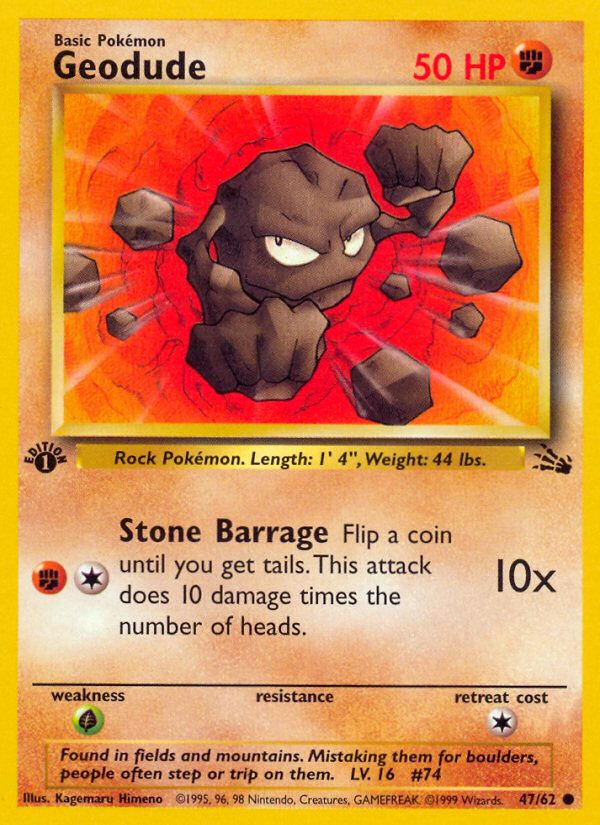
Best Graded Geodude Cards: Collector & Investor Guide
Geodude is one of the original Rock-type Pokémon from the Kanto era, and its cards appeal to collectors who enjoy early-game nostalgia, classic artwork, and affordable vintage character collecting.
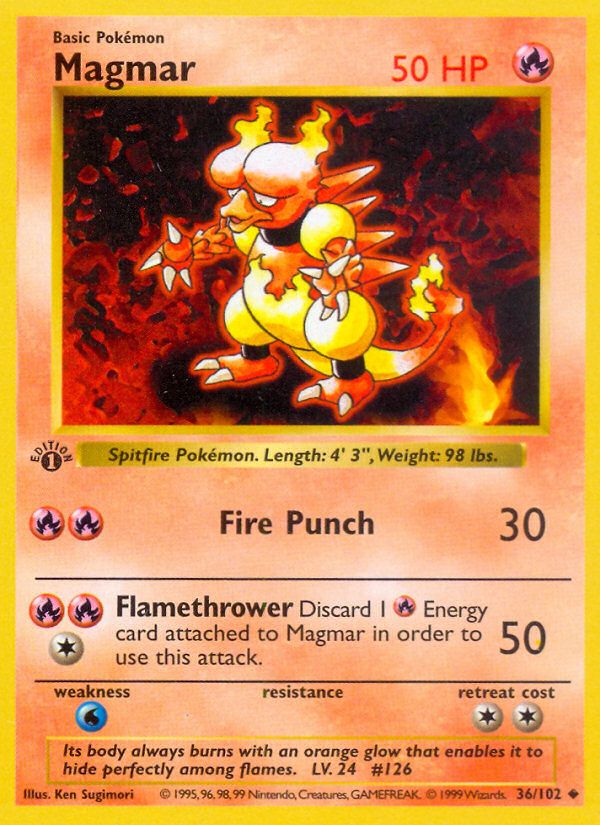
Best Graded Magmar Cards: Collector & Investor Guide
Magmar has always held a unique place in the Pokémon TCG.
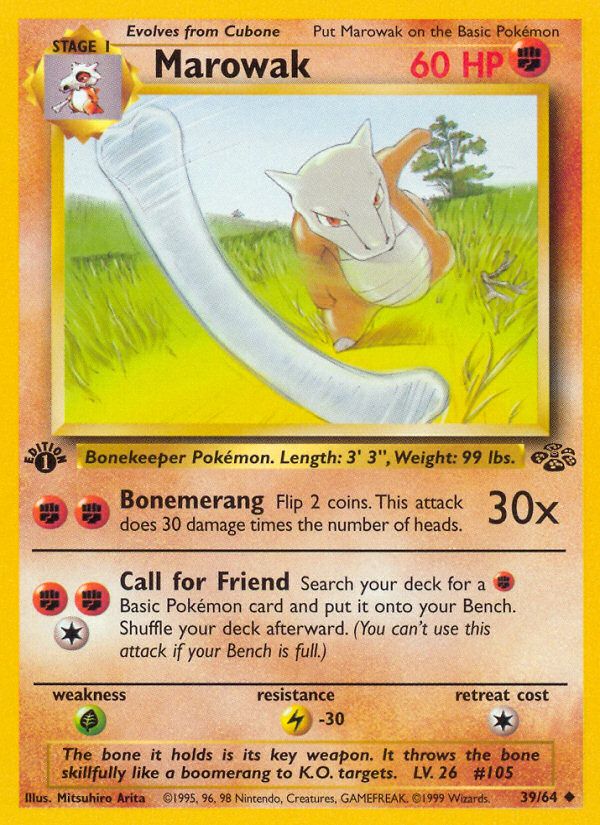
Best Graded Marowak Cards: Collector & Investor Guide
Marowak has always held a unique place in the Pokémon TCG.
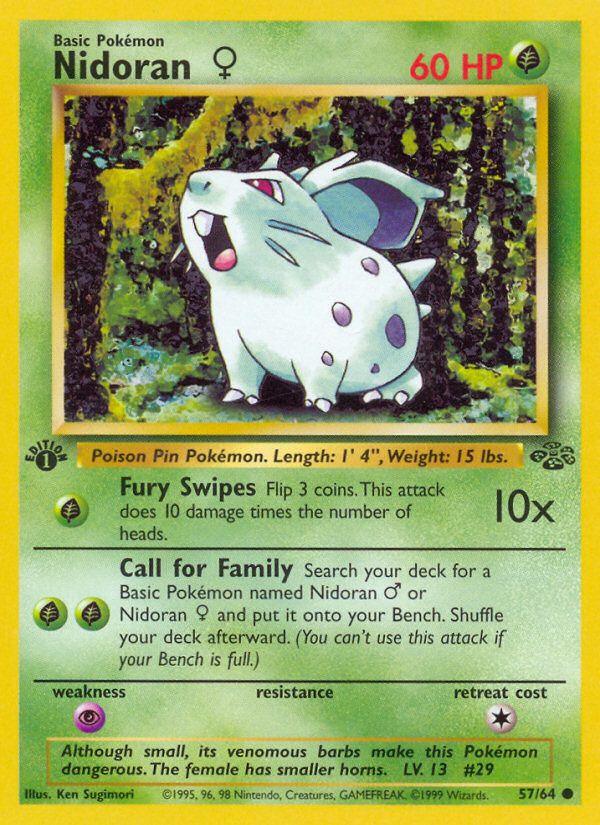
Best Graded Nidoran♀ Cards: Collector & Investor Guide
Nidoran♀ is one of the original 151 Pokémon, and that alone gives its card catalog lasting collector appeal.