
Grotle
Best Graded Grotle Cards: Collector & Investor Guide
By Kyle Eggleston · Published May 13, 2026
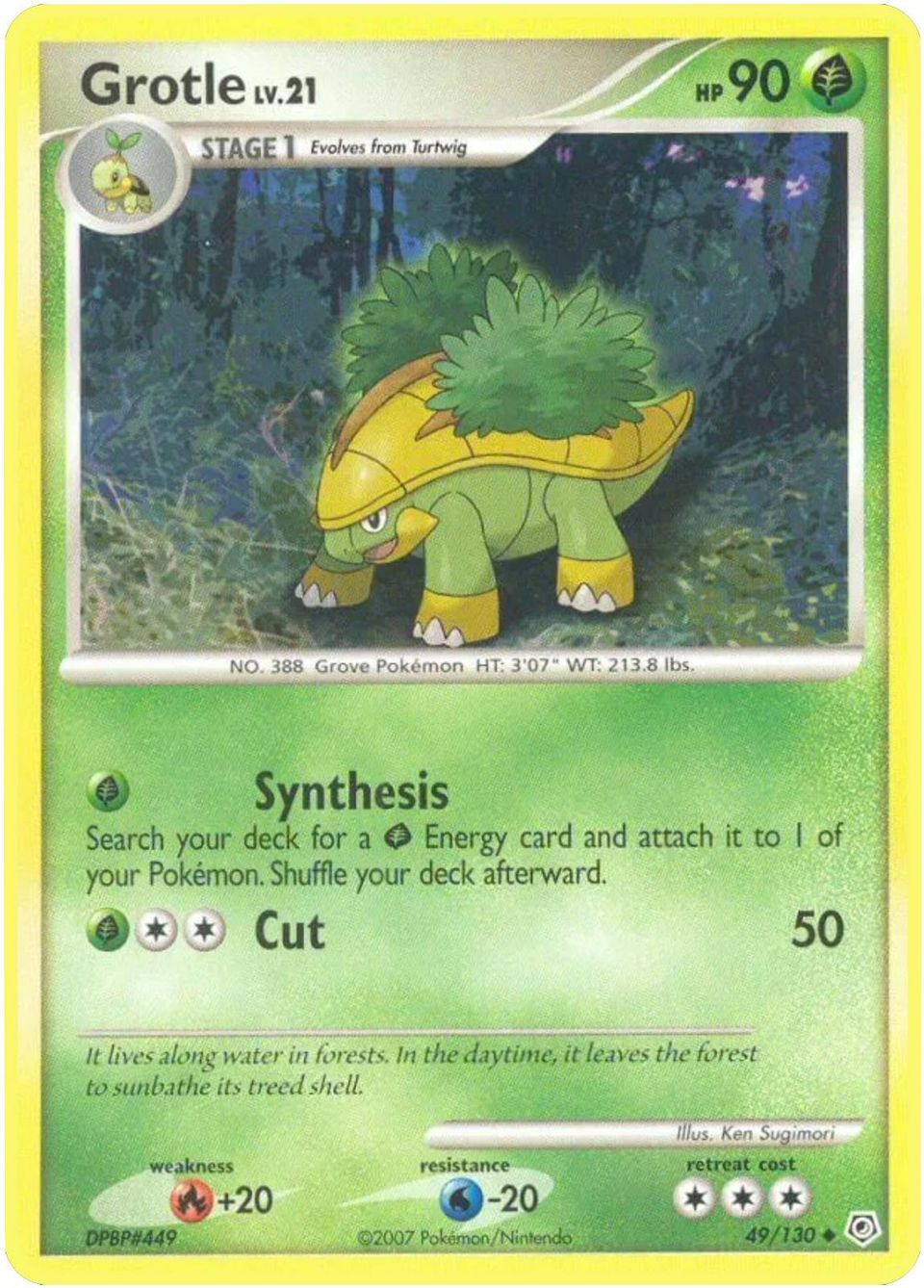
Grotle is not a headline chase Pokémon, but that is exactly why many collectors enjoy it. As Torterra’s middle-stage evolution and a memorable Sinnoh-era Grass-type, Grotle appears in some of the most nostalgic Diamond & Pearl and Platinum releases, with a smaller card pool that is approachable for focused set builders. For graded collectors, Grotle offers a smart mix of early English DP-era cards, later HGSS-era printings, and Japanese exclusives that can be tougher to source in top condition. PSA, BGS, and CGC slabs matter here because subtle condition issues on older commons and uncommons can separate a cheap raw copy from a genuinely scarce gem-mint example with stronger long-term tracking appeal.
Why Grotle Cards Are Worth Collecting
Grotle cards appeal to a very specific kind of Pokémon TCG collector: Sinnoh fans, evolution-line builders, and collectors who appreciate under-the-radar species with limited but meaningful set representation. Because Grotle sits between Turtwig and Torterra, its cards often benefit from broader demand tied to complete evolutionary collections, starter Pokémon nostalgia, and Diamond & Pearl-era artwork styles.
Another reason Grotle is collectible is scarcity by attention rather than pure rarity. These are not cards that were heavily preserved for grading compared with star Pokémon, so high-grade slabs can be harder to find than many collectors expect. That dynamic gives Grotle a nice niche within graded Pokémon collecting.
What Makes a Graded Grotle Card Valuable?
- Grade (PSA 10 commands highest premiums)
- Set and era (Diamond & Pearl, Platinum, and HGSS cards tend to draw the most nostalgic collector interest)
- Rarity and print run
- Population report scarcity
- Recent sold comps on eBay
- Japanese vs English versions
- PSA 10 vs raw comparison
The Best Graded Grotle Cards to Collect
1. Grotle Stormfront 49/100
Stormfront is one of the most recognizable late Diamond & Pearl-era expansions, and Grotle 49/100 is a strong foundational slab for Sinnoh collectors. It is not a flashy ultra rare, but it benefits from era popularity and from collectors building complete evolution-line runs around Turtwig and Torterra.
In PSA 10, common DP-era condition flaws like edge wear and print issues can matter more than many buyers assume. English copies are generally the most familiar to set builders, while Japanese DP-era cards can offer cleaner surfaces but a different collecting audience.
2. Grotle Diamond & Pearl 28/130
As one of Grotle’s earliest English appearances, Diamond & Pearl 28/130 is a key card for anyone building a chronological Grotle collection. Early Sinnoh cards carry strong nostalgia, and this release has the historical advantage of being tied directly to the launch era of the Diamond & Pearl TCG block.
For graded buyers, this is the kind of card where population and eye appeal matter more than raw rarity. A PSA 10 copy can stand out because many surviving raw examples were simply not stored with grading in mind.
3. Grotle Secret Wonders 53/132
Secret Wonders has a dedicated collector following, and Grotle 53/132 fits well in mid-DP set registries. The artwork and set placement make it attractive to collectors who prefer broad species runs across multiple expansions rather than chasing only high-dollar cards.
This is also a useful example of how lower-profile Pokémon can still become interesting in top grade. English PSA 10 copies tend to be collected for registry and era nostalgia, while Japanese equivalents can appeal to condition-focused buyers.
4. Grotle Majestic Dawn 43/100
Majestic Dawn is a respected Sinnoh-era set, and Grotle 43/100 is one of the better binder-to-slab transitions for collectors who enjoy the DP block. It is a clean, era-appropriate card that becomes more compelling once framed as part of a graded evolutionary sequence.
Collector interest here is driven less by rarity and more by completionism. If you are buying one graded, prioritize centering and surface quality because those factors help a lot when comparing otherwise similar slabs.
5. Grotle Arceus 49/99
Arceus remains a distinctive Platinum-era release, and Grotle 49/99 benefits from being part of a set with lasting identity. Even though Grotle is not a marquee character in the set, the card is relevant for Platinum-era completionists and for collectors building every English Grotle appearance.
Compared with earlier DP cards, Arceus print quality can still vary, so slab buyers should not assume PSA 10 examples are interchangeable. Strong eye appeal and a clean holder can make a noticeable difference in resale interest.
6. Grotle HS. Undaunted 47/90
HGSS-era Grotle cards are scarcer in conversation than DP-era examples, which gives Undaunted 47/90 a nice niche. It represents the later stage of Grotle’s early TCG history and broadens a collection beyond Sinnoh-only sets.
For collectors, this card works well as a secondary target after securing the major DP appearances. English HGSS-era commons and uncommons in PSA 10 can be more condition-sensitive than expected, especially with edge chipping and print lines.
7. Grotle Plasma Storm 7/135
Plasma Storm is a Black & White-era set with a stronger overall collector profile than many casual buyers realize, and Grotle 7/135 gives the species a modern-era extension beyond its original Sinnoh-heavy run. That makes it useful for collectors who want a fuller, cross-era graded portfolio.
Because this is a later card, raw copies are often easier to find than DP-era printings, but top-grade slab demand can still come from species collectors. It is a good candidate for buyers comparing raw-versus-graded value carefully.
8. Grotle Japanese Dialga LV.X Constructed Standard Deck 007/018
This Japanese deck-exclusive Grotle is one of the more interesting niche pickups for advanced collectors. Cards from Japanese half decks and constructed decks can be overlooked by English-only buyers, but they add real depth to a species collection and are often much tougher to track down graded.
If you collect Japanese Grotle cards seriously, this is the kind of slab that separates a basic run from a specialized one. Verify the exact deck origin and numbering on the label before buying.
9. Grotle Japanese Moonlit Pursuit 006/DPt-P
Moonlit Pursuit is one of the standout Japanese-exclusive platinum-era mini set releases for Sinnoh collectors, and Grotle 006/DPt-P has excellent niche appeal because it never had the same mass-market visibility as standard English set cards. That relative obscurity can make graded examples especially attractive.
This is a strong target for collectors who want something less common than a routine English uncommon. Japanese-exclusive numbered promos and subset cards often reward patience and careful label verification.
10. Grotle Japanese Bonds to the End of Time 005/016
Another Japanese deck-era entry, Bonds to the End of Time 005/016 is a smart addition for collectors pursuing all major Grotle printings rather than only standard English releases. Its appeal is rooted in specialized checklist collecting and the broader popularity of Japanese DPt-era products.
These lower-profile Japanese cards can be difficult to price because public sales are not always frequent. When a PSA 10 surfaces, compare recent auction results and population context rather than relying on generic asking prices.
Vintage vs Modern Grotle Cards
Grotle is best collected through its early Diamond & Pearl and Platinum-era printings, which carry the strongest nostalgia and often the toughest gem-mint supply. Modern-era Grotle cards can be easier to source and usually cheaper to grade or buy slabbed, but they generally lack the same historical weight. For long-term collector appeal, the earliest English DP cards and select Japanese exclusives usually offer the strongest balance of nostalgia, scarcity, and species-focused demand.
How to Track Grotle Card Prices
Use eBay sold listings, PriceCharting, and PSA pop reports to gauge value. Slabfolio lets you look up graded card prices, upload your slab, and track your portfolio in one place.
FAQ
What is the rarest Grotle card?
Among the most difficult Grotle cards to find consistently are Japanese deck and promo-style releases, especially lower-profile DPt-era exclusives that rarely surface in high grade. They are often scarcer in PSA 10 than standard English set cards.
Is PSA 10 Grotle worth buying?
Yes, if you collect Sinnoh Pokémon, species runs, or niche graded cards with lower mainstream attention. PSA 10 examples can offer better long-term collectibility than raw copies because condition sensitivity matters more than many buyers expect.
How do I find Grotle card prices?
Check eBay sold listings first, then compare with PriceCharting and PSA population data. Slabfolio is useful for tracking graded market movement and organizing your collection in one place.
Prices as of Oct 21, 2026
- 1
Grotle PSA 10
Stormfront · 2008 · 49/100
Stormfront gave Grotle one of its best-known late DP-era English printings. The set has a strong collector base, which helps even lower-rarity species cards stay relevant in high grade.
Look for sharp corners and clean edges, since DP-era wear can keep many copies below gem mint.
Estimated value: $1.6
- 2
Grotle PSA 10
Diamond & Pearl · 2007 · 28/130
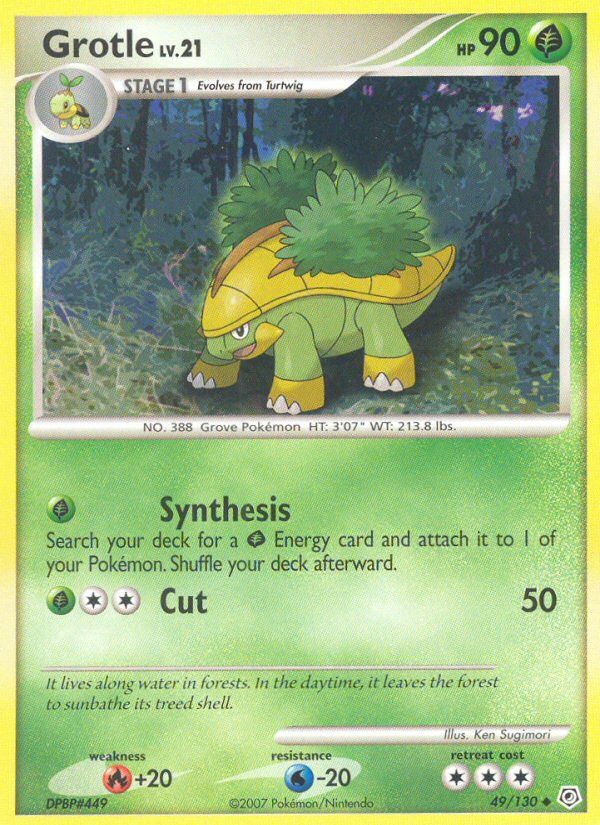
This is one of Grotle’s earliest English TCG cards and a cornerstone for chronological species collectors. Its significance comes from being part of the original Diamond & Pearl base set era.
Early DP cards are worth buying already graded if centering and surface quality are important to you.
Estimated value: $1.6
- 3
Grotle PSA 10
Secret Wonders · 2007 · 53/132
Secret Wonders is a respected DP expansion, and Grotle 53/132 is a natural pickup for anyone building a complete English Grotle run. It is a classic example of a modest card made more interesting by grade scarcity.
Compare slab photos closely, because print quality can vary noticeably on mid-era English copies.
- 4
Grotle PSA 10
Majestic Dawn · 2008 · 43/100
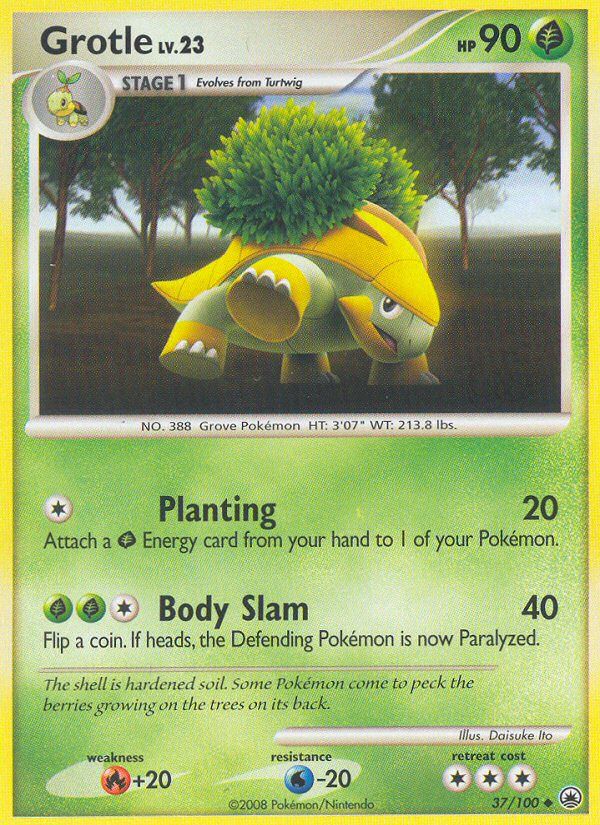
Majestic Dawn is a fan-favorite Sinnoh-era set, giving this Grotle steady niche demand among DP collectors. It fits especially well in graded evolution-line displays with Turtwig and Torterra.
Buy this alongside related Sinnoh starters if you want stronger long-term display appeal.
Estimated value: $1.22
- 5
Grotle PSA 10
Arceus · 2009 · 49/99
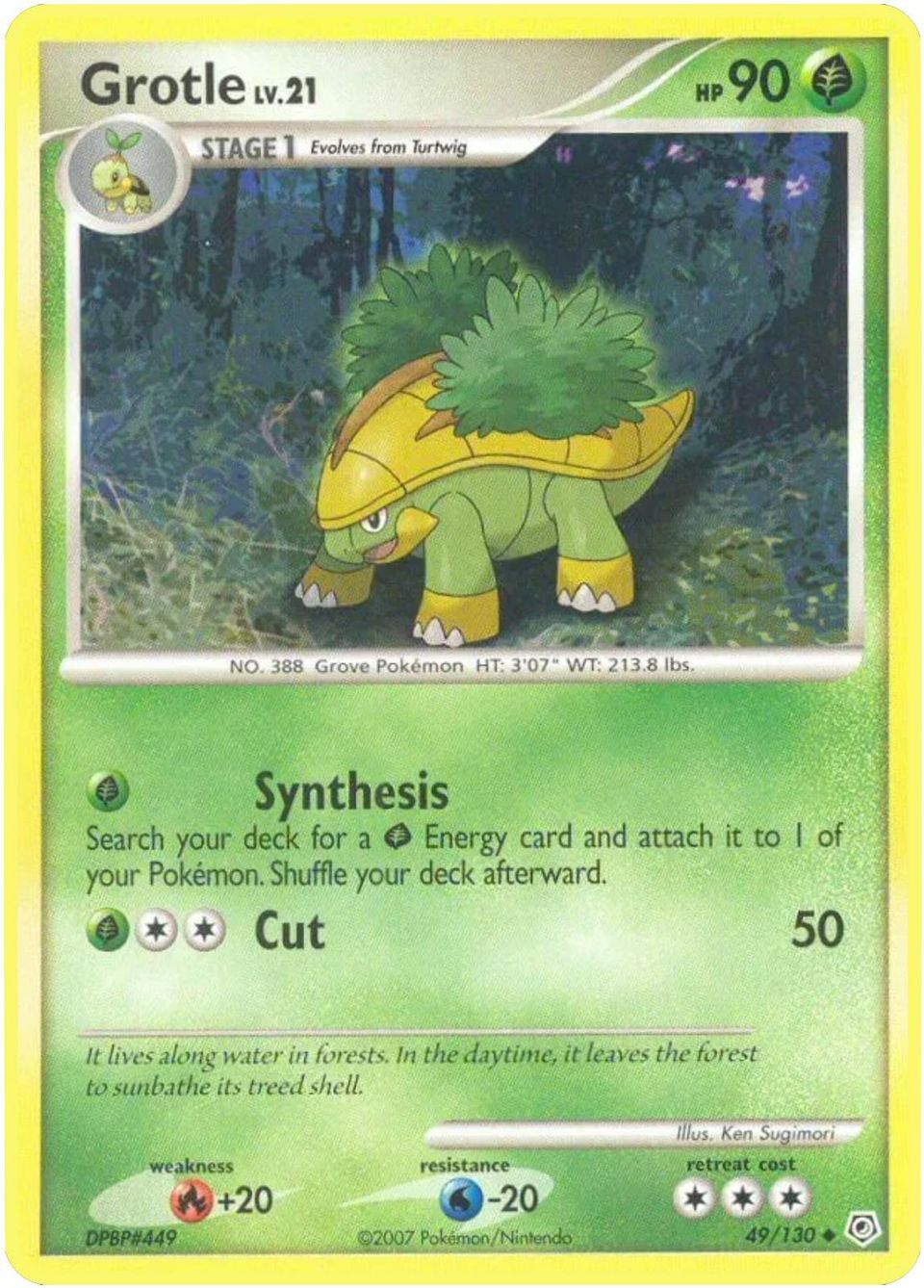
Arceus is a distinctive Platinum-era release, and this Grotle benefits from the set’s lasting identity. It is a good bridge card between early DP and later HGSS-era collecting.
Arceus set collectors often prefer clean labels and strong eye appeal, so holder presentation matters.
Estimated value: $1.6
- 6
Grotle PSA 10
HS. Undaunted · 2010 · 47/90
Undaunted gives Grotle an HGSS-era appearance, which makes it important for collectors seeking a full cross-era species run. It is less discussed than the DP printings, adding niche appeal.
Check edges carefully, as HGSS-era wear can be subtle but enough to impact premium grades.
- 7
Grotle PSA 10
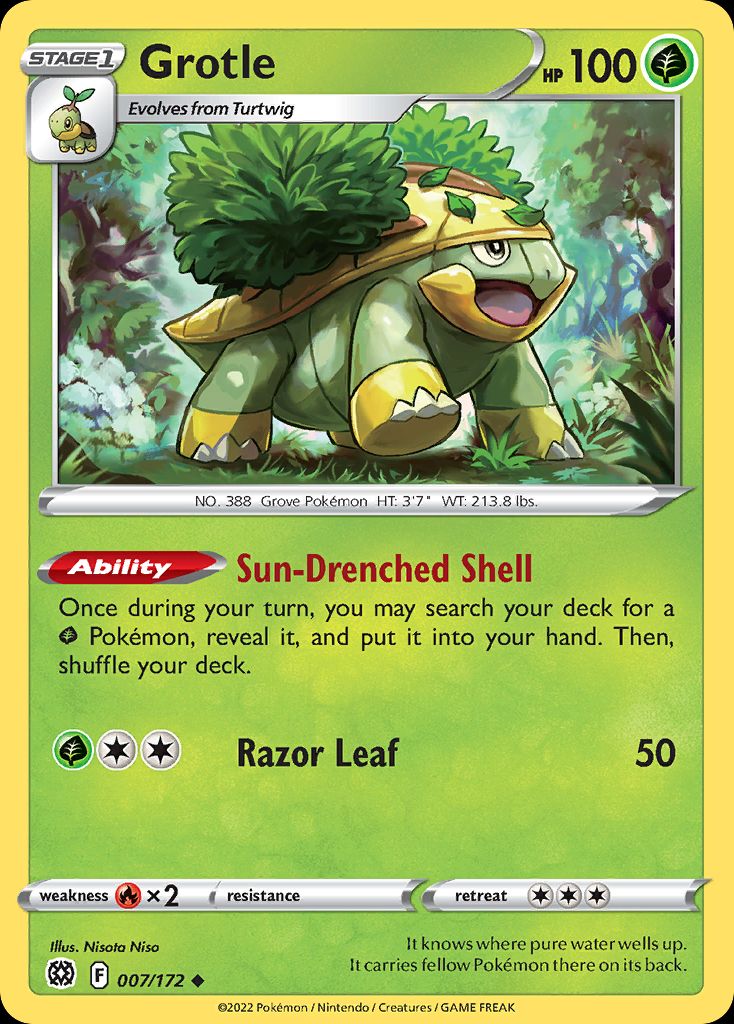
Plasma Storm · 2013 · 7/135
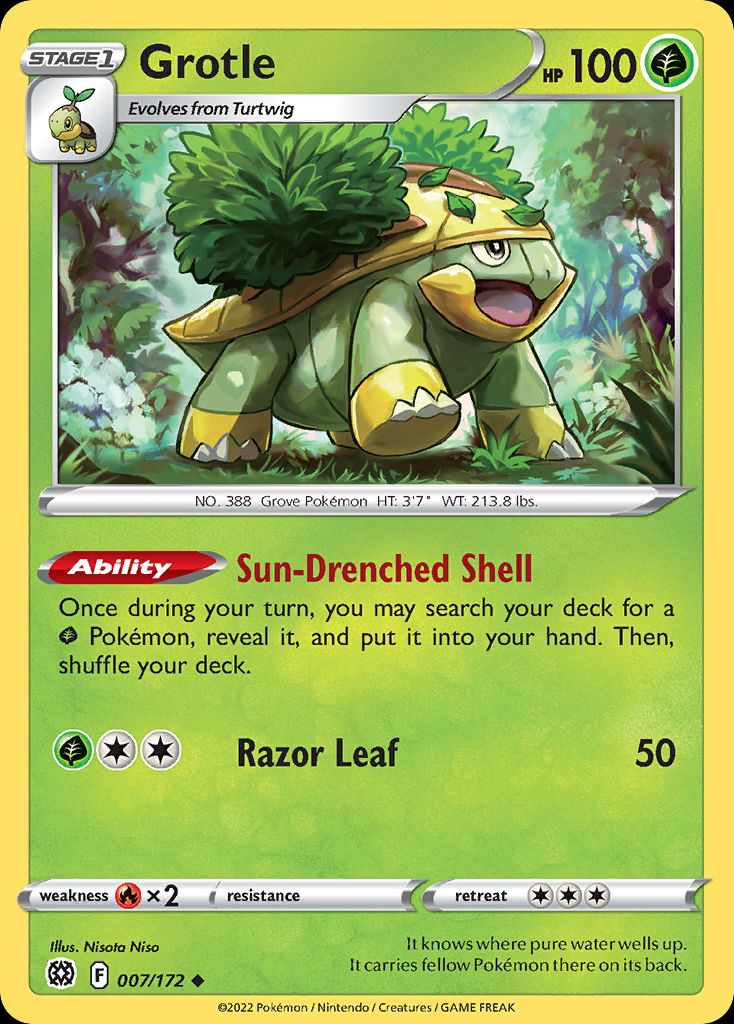
Plasma Storm extends Grotle into the Black & White era and gives species collectors a later-era slab target. It is typically more available raw, but pristine graded copies still carry collector interest.
This can be a value buy in PSA 10 when compared with scarcer DP-era Grotle cards.
Estimated value: $0.88
- 8
Grotle PSA 10
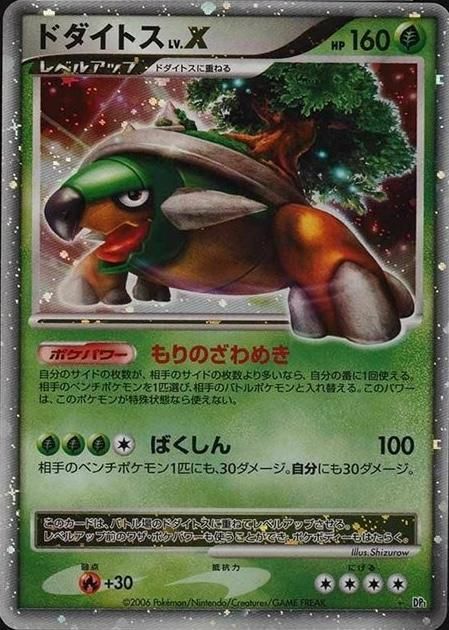
Dialga LV.X Constructed Standard Deck · 2008 · 007/018
This Japanese deck-exclusive Grotle is one of the more specialized checklist items for advanced collectors. Cards from Japanese constructed decks often have lower visibility and can be surprisingly difficult to locate already graded.
Always verify the exact deck name and numbering on the slab label before purchasing.
Estimated value: $2.14
- 9
Grotle PSA 10
Moonlit Pursuit · 2009 · 006/DPt-P
Moonlit Pursuit is a Japanese-exclusive platinum-era release that adds real depth to a Grotle collection. Its obscurity relative to English set cards can make high-grade examples especially appealing to niche collectors.
Japanese-exclusive promos and subsets are best bought with strong provenance or clear card scans.
- 10
Grotle PSA 10
Bonds to the End of Time · 2009 · 005/016
This Japanese deck-era Grotle is a strong completionist target for collectors going beyond standard English releases. It represents the kind of low-profile issue that can become genuinely scarce in top grade.
Use auction records rather than optimistic asking prices when evaluating Japanese niche slabs.
Estimated value: $2.24
Frequently asked questions
What is the rarest Grotle card?
Among the most difficult Grotle cards to find consistently are Japanese deck and promo-style releases, especially lower-profile DPt-era exclusives that rarely surface in high grade. They are often scarcer in PSA 10 than standard English set cards.
Is PSA 10 Grotle worth buying?
Yes, if you collect Sinnoh Pokémon, species runs, or niche graded cards with lower mainstream attention. PSA 10 examples can offer better long-term collectibility than raw copies because condition sensitivity matters more than many buyers expect.
How do I find Grotle card prices?
Check eBay sold listings first, then compare with PriceCharting and PSA population data. Slabfolio is useful for tracking graded market movement and organizing your collection in one place.
Whether you're building your first graded Grotle collection or managing a larger Pokémon card portfolio, tracking real market movement matters. Slabfolio helps collectors organize slabs, monitor values, and follow graded card price changes over time.
Related guides
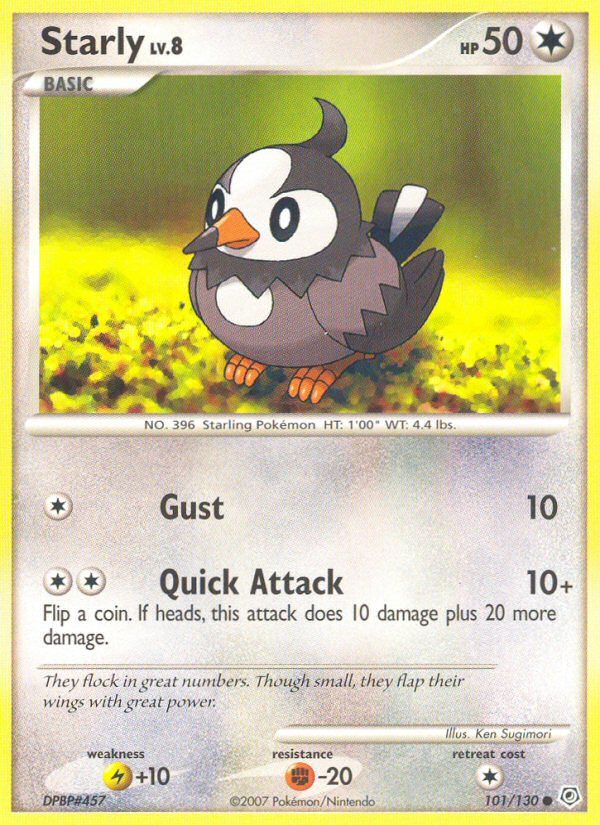
Best Graded Starly Cards: Collector & Investor Guide
Starly is one of the defining common Pokémon of the Diamond & Pearl era, making it a quietly important target for collectors who appreciate early Sinnoh nostalgia.
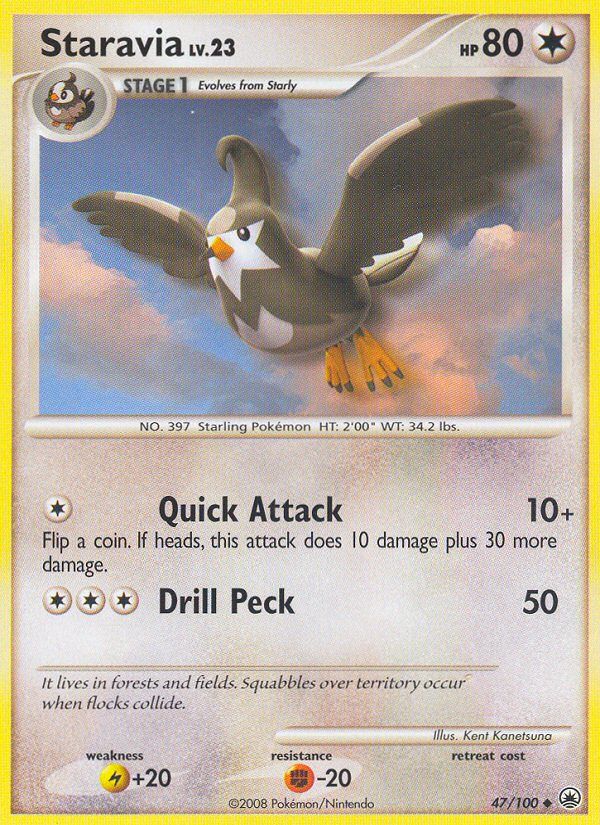
Best Graded Staravia Cards: Collector & Investor Guide
Staravia is not a headline-chasing chase card Pokémon, but that is exactly why it appeals to focused collectors.
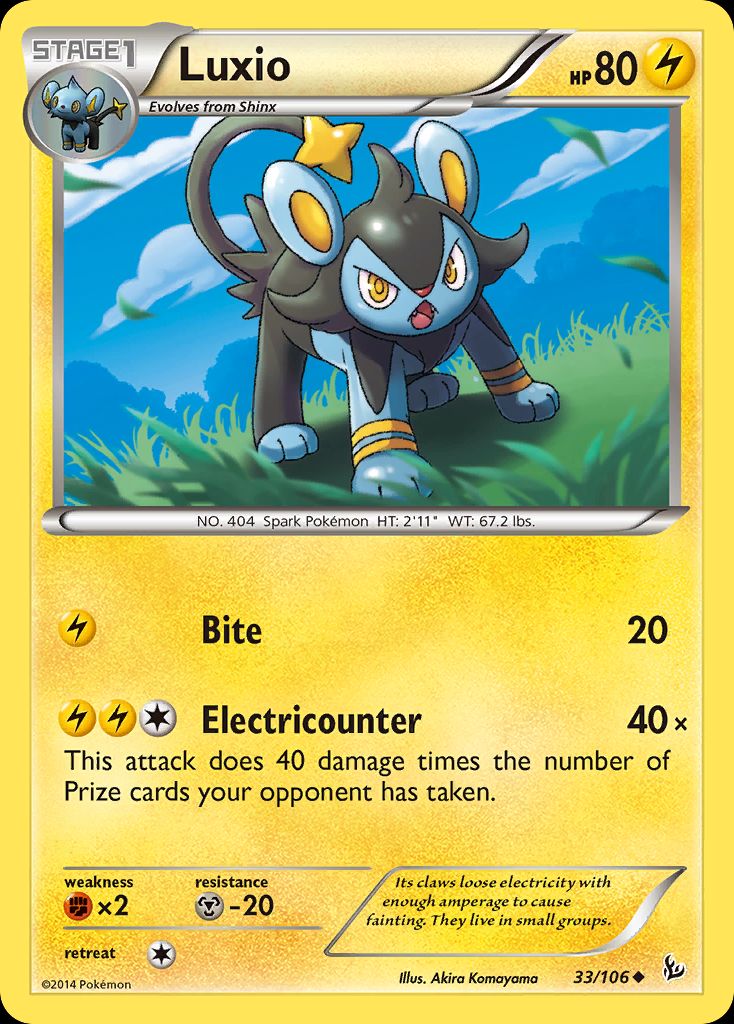
Best Graded Luxio Cards: Collector & Investor Guide
Luxio sits in an interesting spot for Pokémon TCG collectors.
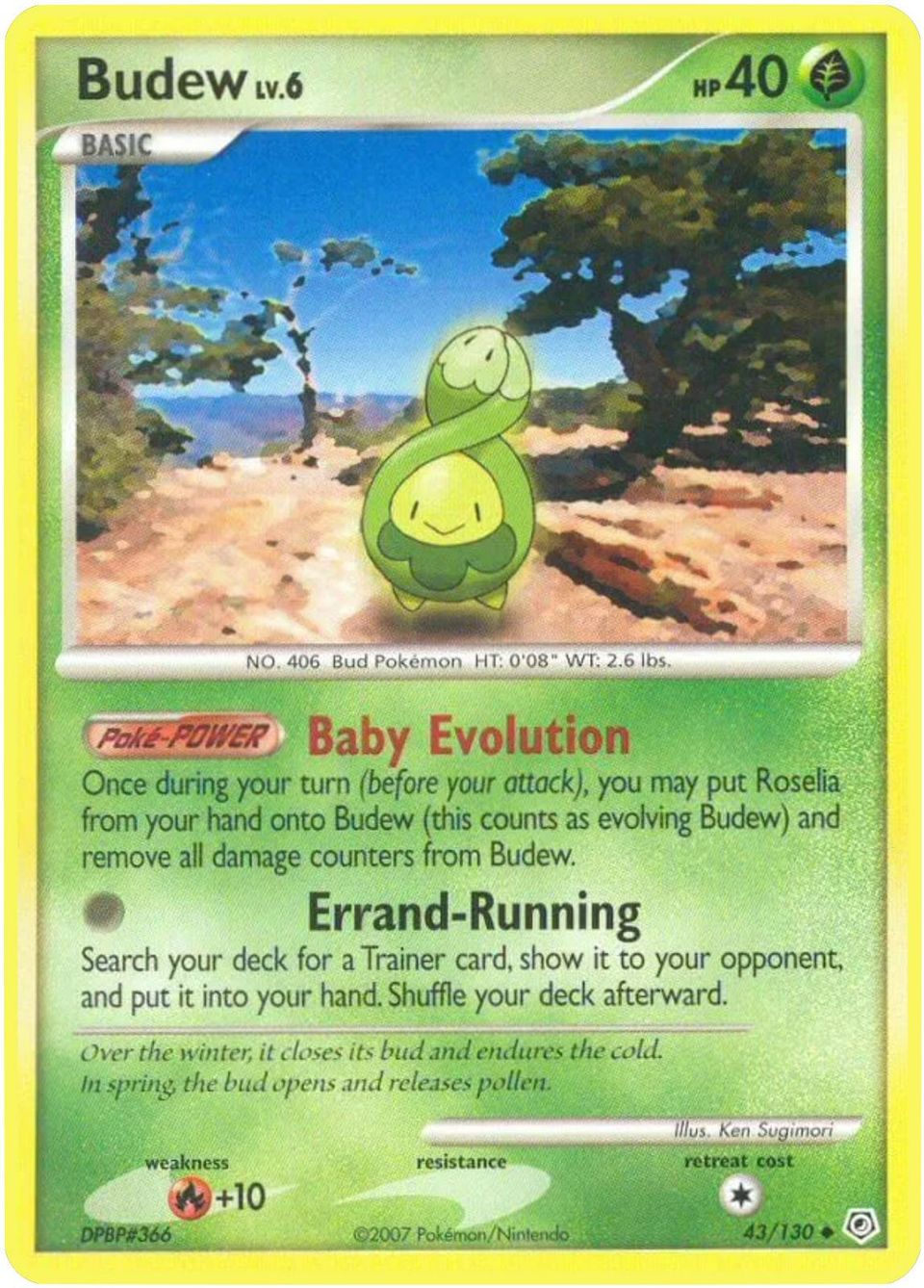
Best Graded Budew Cards: Collector & Investor Guide
Budew is a small Baby Pokémon, but it has a surprisingly focused niche within the Pokémon TCG.
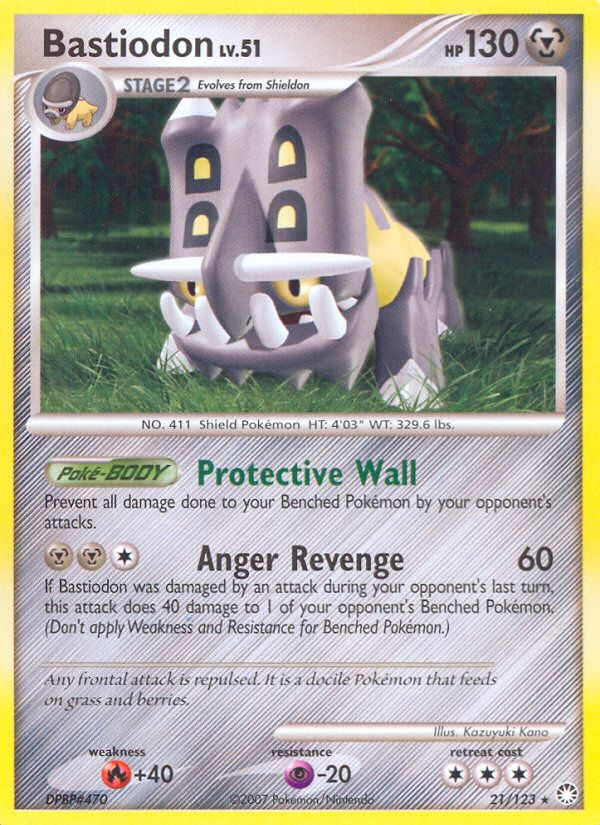
Best Graded Bastiodon Cards: Collector & Investor Guide
Bastiodon has never been the flashiest Sinnoh Pokémon, but that is part of its appeal to seasoned collectors.
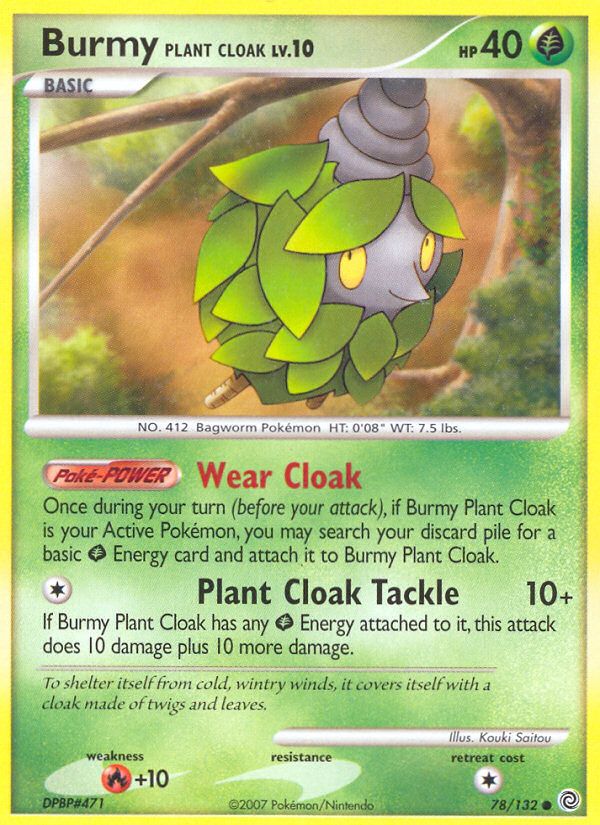
Best Graded Burmy Cards: Collector & Investor Guide
Burmy is a niche Sinnoh-era favorite that appeals to collectors who enjoy evolutionary side characters, alternate Cloak lore, and the broad Diamond & Pearl card ecosystem.