
Pokémon Card Market Crash or Correction? What the 2026 Price Data Actually Shows
By Kyle Eggleston · Published May 13, 2026
**By Kyle Eggleston** · Updated July 23, 2026 · 9 min read Type "**pokemon card prices dropping**" into any search bar and you'll find two internets: one screaming crash, one insisting everything is fine. Both are wrong, because both are describing a single "Pokémon card market" that no longer exists. What 2026 actually delivered is a **bifurcation**. One of the sharpest splits between market segments the hobby has ever seen. I track these prices daily at [Slabfolio](https://slabfol.io). Here's what the data says.
The Case for "Crash": Modern Is Bleeding
The numbers on the modern side are genuinely ugly:
- Modern chase cards are down 20-45% from their late-2025 peaks
- Sealed modern product is down 15-25%
- Prismatic Evolutions. The poster child of the 2025 hype cycle. Has corrected 40-50%
- The set's flagship Umbreon ex SIR fell below $1,000 for the first time, a card that once looked untouchable
If your portfolio is concentrated in 2023-2025 modern hits, this feels like a crash, and no vintage headline changes that.
The Case for "Correction": Vintage Is Setting Records
At the exact same time:
- A Base Set 1st Edition Charizard PSA 10 sold for $550,000 at Heritage Auctions in December 2025
- A sealed Base Set booster box hit $408,000, a record
- Logan Paul's $16.5 million Pikachu Illustrator private purchase still anchors the top of the market
- Graded vintage keys. Base, Jungle, Fossil, early Japanese promos. Are at or near all-time highs
Money isn't leaving the hobby. It's fleeing scarcity-poor modern product and concentrating in scarcity-rich vintage.
Why This Is Happening: Three Structural Forces
1. Supply. 10 billion cards
The Pokémon Company printed roughly 10 billion cards between March 2025 and March 2026. Modern "chase" cards are chase cards inside packs, but at that print scale, population counts climb relentlessly. Prices built on perceived scarcity meet actual supply, and the result is exactly what we're seeing.
2. The scalping backlash reaches a breaking point
The April 2026 Costco restock chaos. Parking-lot fights over Prismatic Evolutions, including a shooting. Turned scalping from a hobby annoyance into national news. Nintendo's president has since announced changes to how TCG products are sold beginning August 2026, aimed directly at bots and bulk-buying. Whatever form those changes take, the era of guaranteed flip profit on sealed modern product is closing.
3. Japan is the leading indicator. And it's cooling
Japanese singles prices typically move before the Western market. Right now, Japanese prices are falling and some card shops are closing. If the pattern holds, Western modern prices have further to adjust.
So: Crash or Correction?
My honest read: a correction in the hobby, a crash in specific segments.
- A crash implies broad, indiscriminate collapse. Vintage setting records rules that out.
- A correction implies prices reverting toward fundamentals. Which is precisely what a 40-50% retrace of a hype-driven set looks like.
- For holders of late-era modern slabs, the distinction is academic. The losses are real. Naming them accurately just helps you respond rationally instead of emotionally.
The PSA buyback scandal added a trust discount on top of all this, and grading's new $79.99 floor has quietly removed the "just grade it" exit strategy for cheap modern cards.
Are Pokémon Cards a Good Investment in 2026?
The question everyone actually wants answered. My framework, not financial advice:
The hobby is not an index fund. "Pokémon cards" contains assets behaving like blue-chips (graded vintage keys), assets behaving like meme stocks (modern chase cards), and assets behaving like commodities (bulk). Any answer that doesn't distinguish between them is noise.
What has historically held value: genuinely scarce, condition-graded, culturally iconic cards. The vintage keys currently setting records.
What historically hasn't: heavily printed modern product bought at hype peaks. The 10-billion-card print run is the largest supply wave in the hobby's history.
The only free lunch is information. Knowing what your cards are actually worth this week. And which direction each one is moving. Is the difference between selling into strength and panic-selling a bottom. That's the entire reason I built Slabfolio's price tracking.
And the upcoming catalysts cut both ways. The 30th Anniversary set arriving in September will pull enormous attention. And enormous print volume. Into the hobby at once.
Frequently Asked Questions
Why are Pokémon card prices dropping in 2026?
Record supply (~10 billion cards printed in a year), a hype cycle unwinding after Prismatic Evolutions, anti-scalping measures reducing flip demand, and a cooling Japanese market that historically leads Western prices.
Is the Pokémon card market going to recover?
Vintage never left. It's at all-time highs. Modern segments will find their floor where prices match true population scarcity. Hype-cycle recoveries to prior peaks are rare unless print runs on a specific card turn out smaller than assumed.
Are graded cards safer than raw cards in a downturn?
Generally, graded cards hold value better than raw copies of the same card, since authentication and condition certainty remove two sources of buyer doubt. Especially as counterfeits get better. But a graded modern card in a crashing segment still falls.
Should I sell my modern Pokémon cards now?
I can't tell you that. It depends on your cost basis, your time horizon, and each card's specific trend. What I can tell you: make the decision with current price data per card, not with a headline about "the market."
Kyle Eggleston is the founder of Slabfolio, a Pokémon card grading and price-tracking platform. He tracks graded card sales data daily so collectors don't have to.
This article is for informational purposes only and is not financial advice. Collectibles are volatile, illiquid assets. Never invest money you can't afford to lose, and never treat past performance as a guarantee of future results.
Sources: Nerdbeak: Pokémon card market correction 2026 · Misprint: why Pokémon card prices are dropping · SI Collectibles: Nintendo president on TCG changes · Kotaku: Costco restock incidents
Related guides
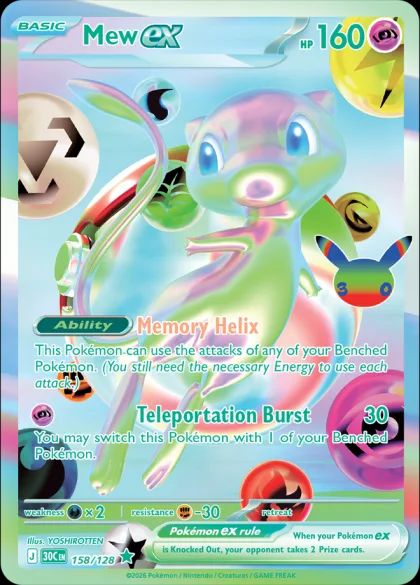
Pokémon 30th Celebration Chase Cards: The 12 Cards Worth Pulling and Grading
The Pokémon TCG 30th Celebration set launches worldwide on September 16, 2026.
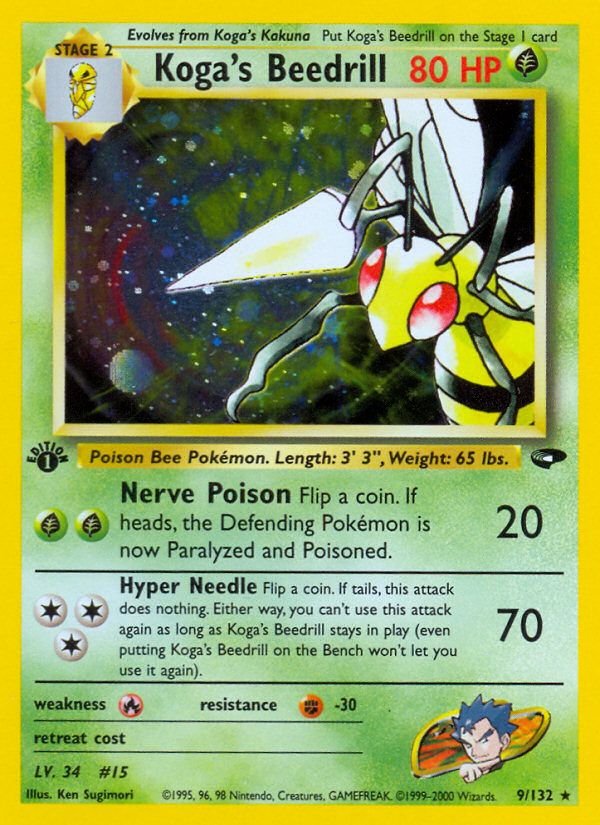
Best Graded Beedrill Cards: Collector & Investor Guide
Beedrill is one of the original fully evolved Bug-type Pokémon, and its card history stretches from the Wizards of the Coast era to modern alternate-art releases.
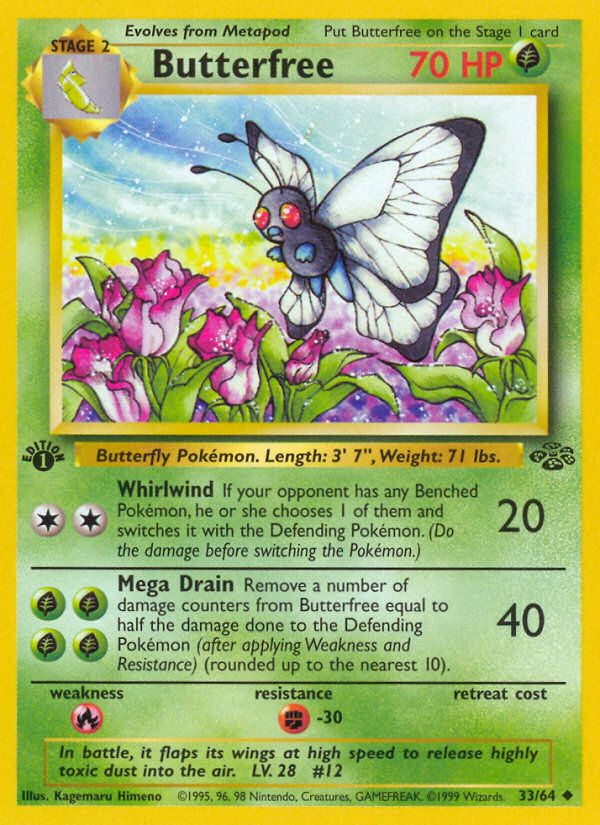
Best Graded Butterfree Cards: Collector & Investor Guide
Butterfree is one of the most recognizable early-route Pokémon in the franchise, and that familiarity gives its cards lasting collector appeal.
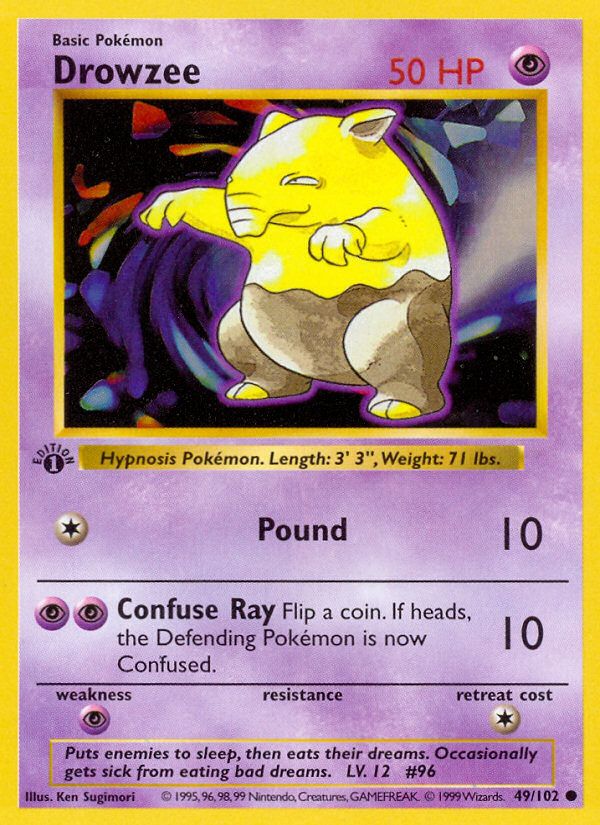
Best Graded Drowzee Cards: Collector & Investor Guide
Drowzee has always been a memorable Psychic-type from the earliest days of Pokémon, and its trading card history gives collectors a surprisingly fun mix of vintage nostalgia and modern illustration appeal.
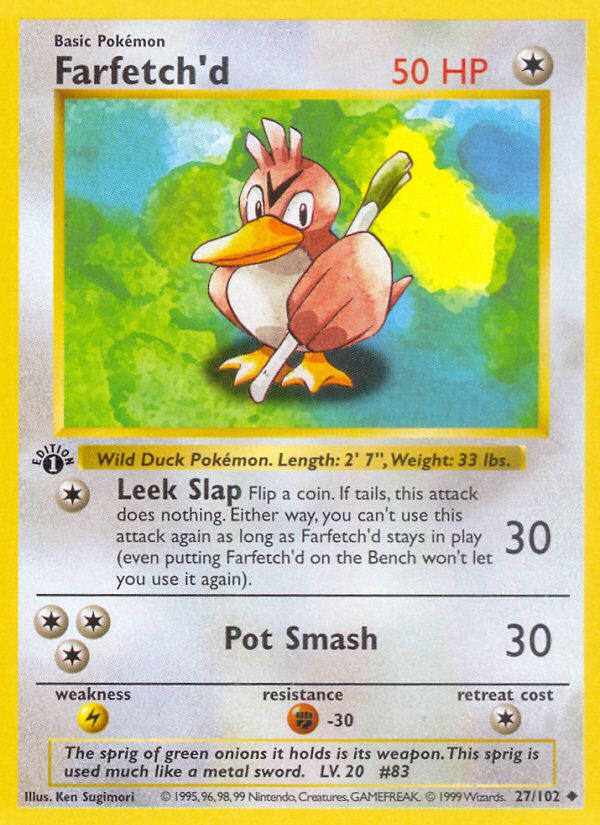
Best Graded Farfetch'd Cards: Collector & Investor Guide
Farfetch'd has always occupied a special place in Pokémon TCG collecting.
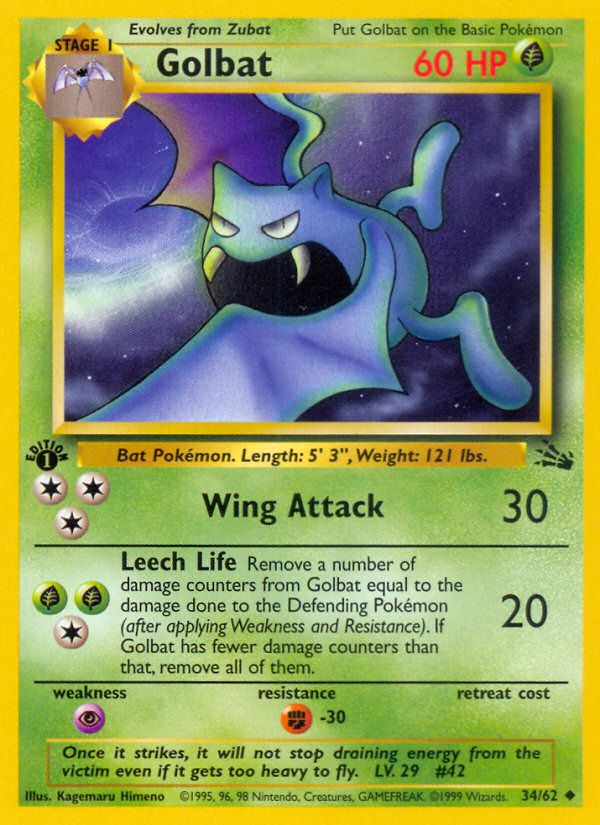
Best Graded Golbat Cards: Collector & Investor Guide
Golbat is one of those classic Generation I Pokémon that longtime collectors instantly recognize, even if it rarely gets top billing in the hobby.