
The PSA Grading Scandal, Explained: What the Buyback Controversy Means for Your Collection
By Kyle Eggleston · Published May 13, 2026
**By Kyle Eggleston** · Updated July 23, 2026 · 8 min read If you own graded Pokémon cards, the **PSA grading scandal** that broke in December 2025 is the most consequential piece of **PSA grading news** in years. Not because of the dollar amounts involved, but because of what it revealed about how the grades on your slabs can change after the fact. Here's the full timeline, what actually happened, how the market reacted, and the practical steps I'd take with my own collection.
What Happened: The PSA Buyback Timeline
The controversy started with a simple experiment. A collector submitted roughly 30 identical modern Pokémon cards to PSA for grading. The results came back mostly PSA 9s. A normal distribution for a modern card.
The collector then sold those slabs back to PSA through the company's own buyback program at around $35 each.
That's where it should have ended. Instead:
- PSA quietly regraded 11 of those cards to PSA 10. The top grade
- The upgrades happened on the same certification numbers, with no public notation
- The original submitter was never notified that the grades had changed
A PSA 9 to PSA 10 bump on a desirable modern card can multiply its market value several times over. The cards PSA bought at PSA-9 prices became PSA-10 assets in PSA's inventory.
Why the Grade Swap Matters
Grading only works if a grade is an independent, fixed opinion. The buyback controversy raised three uncomfortable questions about PSA grading standards:
1. Conflict of interest
PSA acted as both the grader and the buyer. When the same company that assigns a card's grade also profits from acquiring it cheaply and reselling it higher, the incentive structure is broken. Regardless of whether any individual employee acted in bad faith.
2. Cert numbers are supposed to be permanent records
Collectors treat a certification number as a fixed historical fact. If a cert can silently change from a 9 to a 10, then cert lookups. The backbone of online graded card sales. Become less trustworthy for everyone.
3. If it happened here, where else?
The submitter only caught it because they tracked their own certs. The obvious follow-up question. How many other certs have been quietly modified?. Remains unanswered, and that uncertainty is itself a market force.
How the Market Reacted
The reaction was fast and measurable:
- eBay listings for PSA-graded cards dropped an estimated 10-20% in the weeks after the story spread, as some sellers pulled inventory and some buyers paused
- Beckett (BGS) and SGC submission volumes jumped roughly 15% as collectors looked for alternatives
- Collector forums and YouTube filled with boycott calls, and rumors of class-action lawsuits began circulating
- The story amplified existing antitrust concerns: Collectors Holdings already owns both PSA and SGC, with a pending Beckett acquisition that would concentrate roughly 80% of the grading market under one owner. A U.S. congressman sent a letter urging the FTC to examine the deal in January 2026, and a private antitrust lawsuit was filed in California naming the major grading companies
- CGC. The only major independent grader left. Raised its fees on January 6, 2026, a sign of where displaced demand was flowing
For context on how this fits into the broader market downturn, see my breakdown of the 2026 Pokémon card market correction.
What This Means for Your Collection
Here's my honest read as someone who tracks graded card prices daily:
Don't panic-sell PSA slabs. PSA remains the most liquid label in the hobby. A PSA 10 still commands the highest average premium, and the population data behind decades of PSA certs doesn't evaporate because of one scandal.
Do verify your certs. Look up every cert number you own on PSA's verification page and screenshot the results. If a grade ever changes underneath you, you want a record.
Track your slab values weekly, not yearly. Scandal-driven price swings hit specific segments (modern PSA 9s were hit hardest) while leaving others untouched. Slabfolio's price tracker exists for exactly this. Knowing what your cards did this week, not what the market did in general.
Diversify your grading exposure going forward. If you're submitting new cards, it's now reasonable to split submissions between companies. My full cost comparison is in Is PSA grading still worth it in 2026?
Frequently Asked Questions
Is PSA still trustworthy after the scandal?
PSA's grading itself hasn't been shown to be systematically inaccurate. The scandal is about grade changes and the conflict of interest in the buyback program. Most collectors are still buying and selling PSA slabs, but with more cert verification than before.
Will my PSA 9 cards lose value?
Modern PSA 9s saw the most direct pressure, since the scandal specifically involved 9-to-10 upgrades on modern cards. Vintage PSA 9s and 10s have been far more resilient. Check your specific cards rather than assuming. Segment behavior in 2026 has been wildly uneven.
Should I switch to CGC, SGC, or TAG?
There's no universally right answer. PSA still leads on resale liquidity. CGC is the largest independent option. SGC is fast but shares ownership with PSA. TAG's computer-vision grading appeals to collectors who want the human element removed entirely. Your card's value tier and your patience for turnaround times matter more than brand loyalty.
Did anyone get sued over the PSA buyback scandal?
As of mid-2026, lawsuit rumors and a California antitrust filing are circulating, and a congressional letter has asked the FTC to scrutinize the Beckett acquisition. Nothing has gone to trial. This article will be updated as the legal situation develops.
Kyle Eggleston is the founder of Slabfolio, a Pokémon card grading and price-tracking platform. He tracks graded card sales data daily so collectors don't have to.
This article is for informational purposes only and is not financial advice. Collectibles are volatile assets. Never spend money you can't afford to lose.
Sources: Yahoo Sports / Athlon coverage of the PSA scandal · Athlon Sports: PSA grading scandal · ORB Sports Cards: 2026 grading company comparison
Related guides
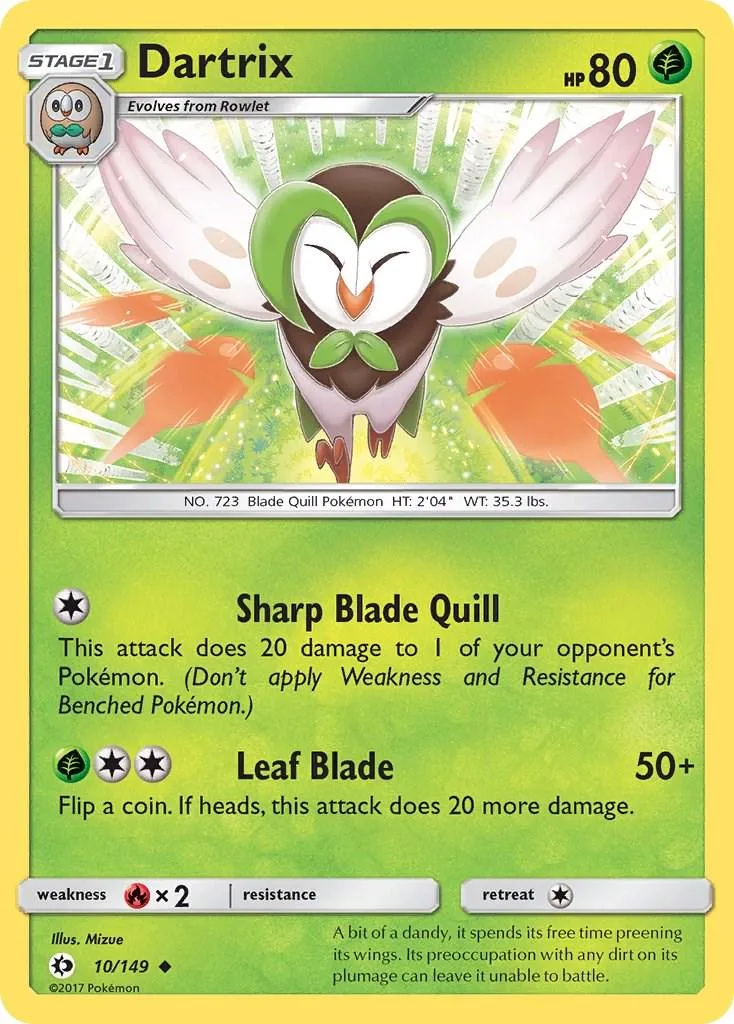
Best Graded Dartrix Cards: Collector & Investor Guide
Dartrix sits in a unique spot for Pokémon TCG collectors: it is a middle evolution from the Alola starter line, tied closely to Rowlet and Decidueye while still having a smaller, more specialized card catalog of its own.
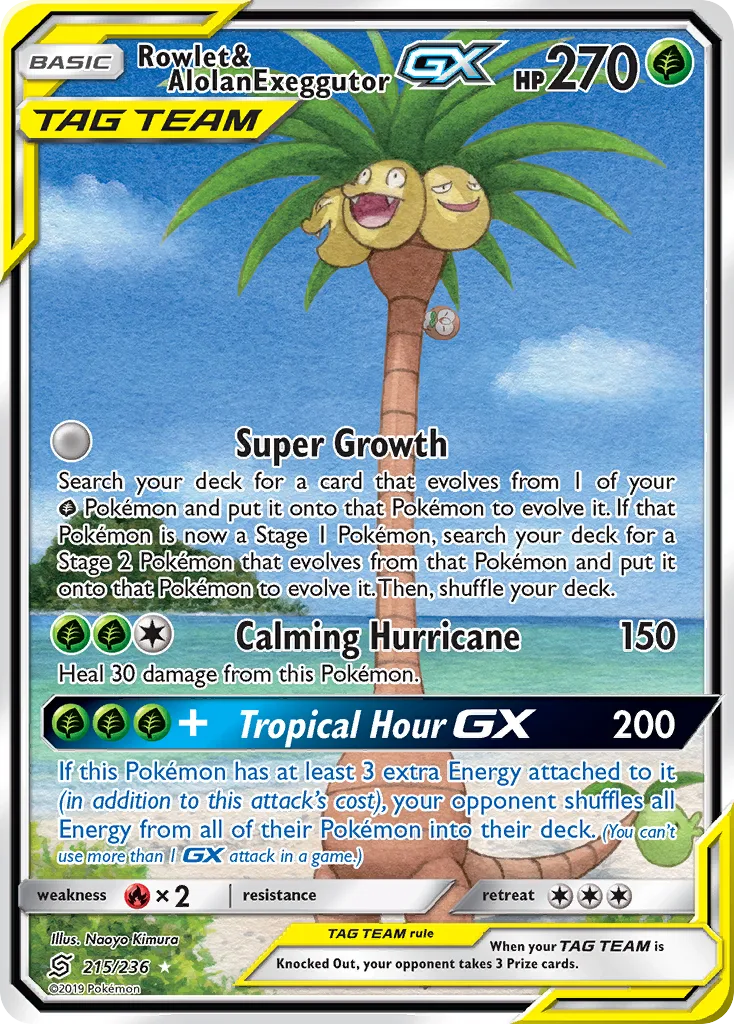
Best Graded Rowlet Cards: Collector & Investor Guide
Rowlet has become one of the most collected starter Pokémon of the Sun & Moon era thanks to its instantly recognizable design, strong anime presence, and long run of charming card appearances.
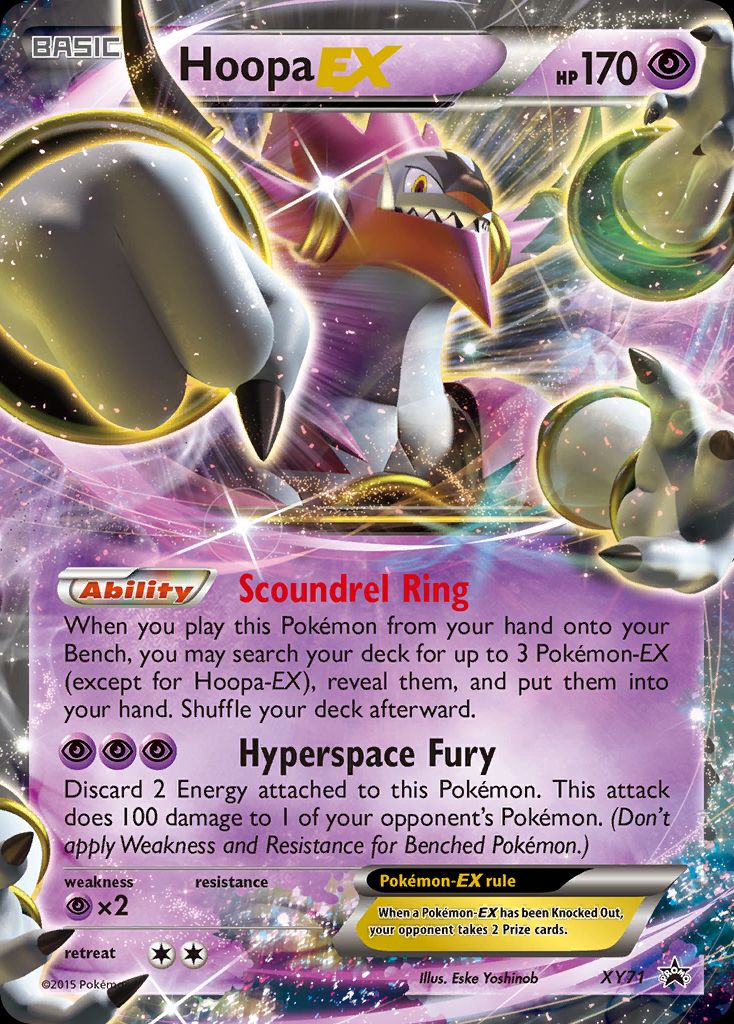
Best Graded Hoopa Cards: Collector & Investor Guide
Hoopa is one of the most visually distinctive Mythical Pokémon in the TCG, and its card history is concentrated in the XY era, when The Pokémon Company leaned hard into flashy Full Arts, promos, and movie tie-ins.
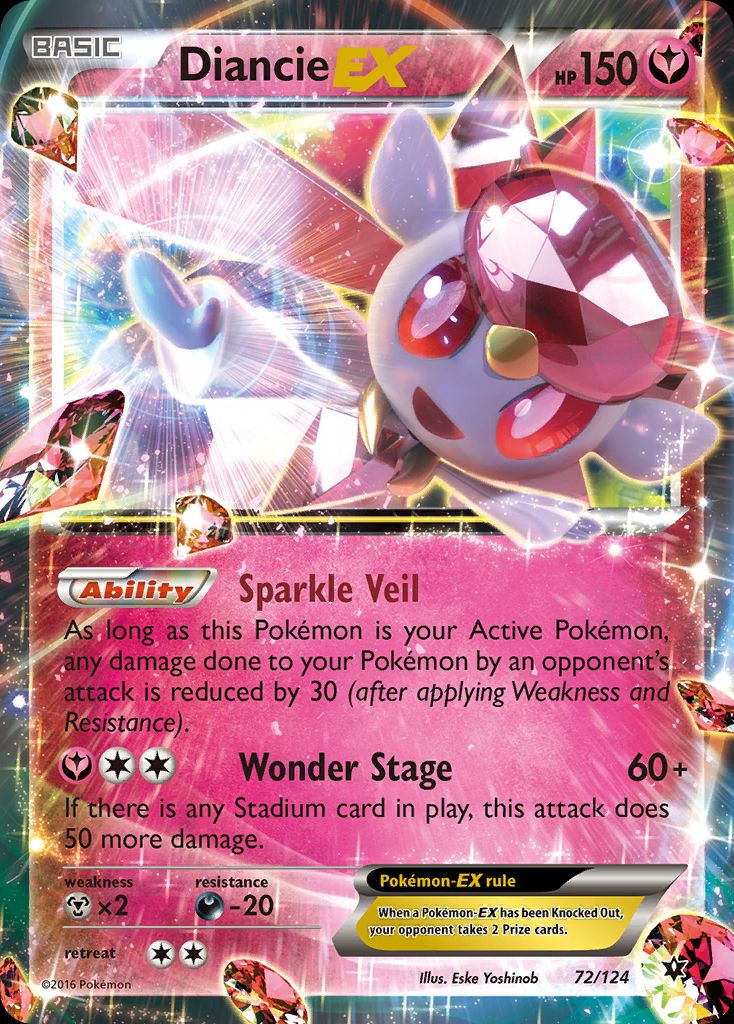
Best Graded Diancie Cards: Collector & Investor Guide
Diancie is one of the standout Mythical Pokémon of the XY era, and its card catalog is compact enough to chase while still offering real variety for collectors.
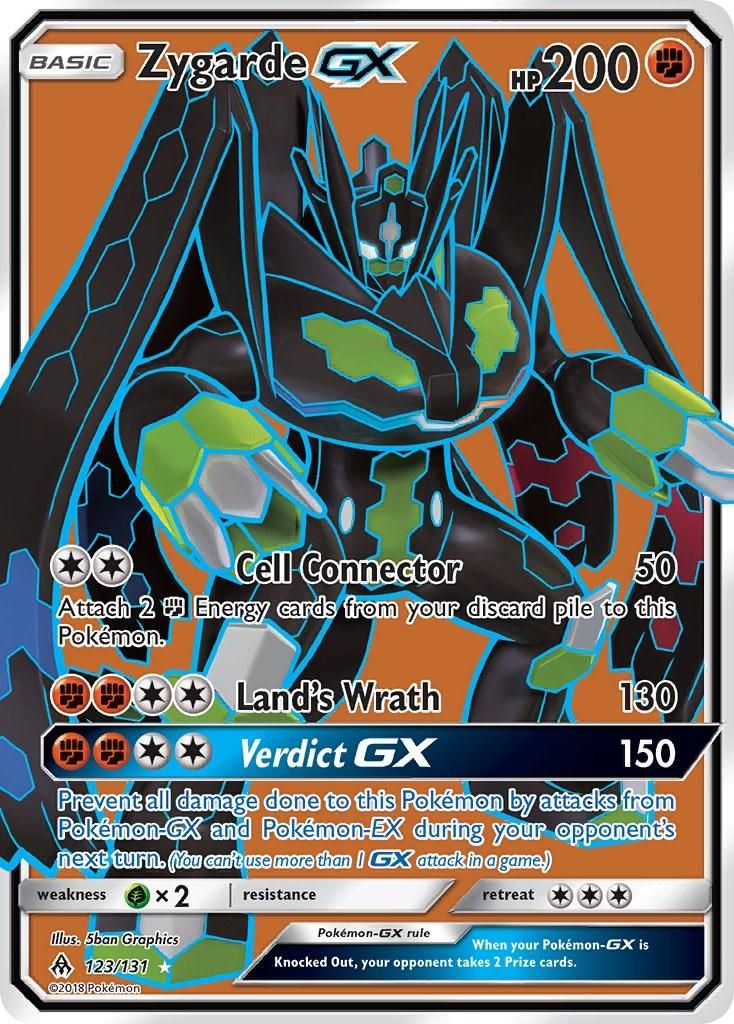
Best Graded Zygarde Cards: Collector & Investor Guide
Zygarde has a unique place in the Pokémon TCG because it bridges the late XY era, the Sun & Moon period, and modern specialty releases.
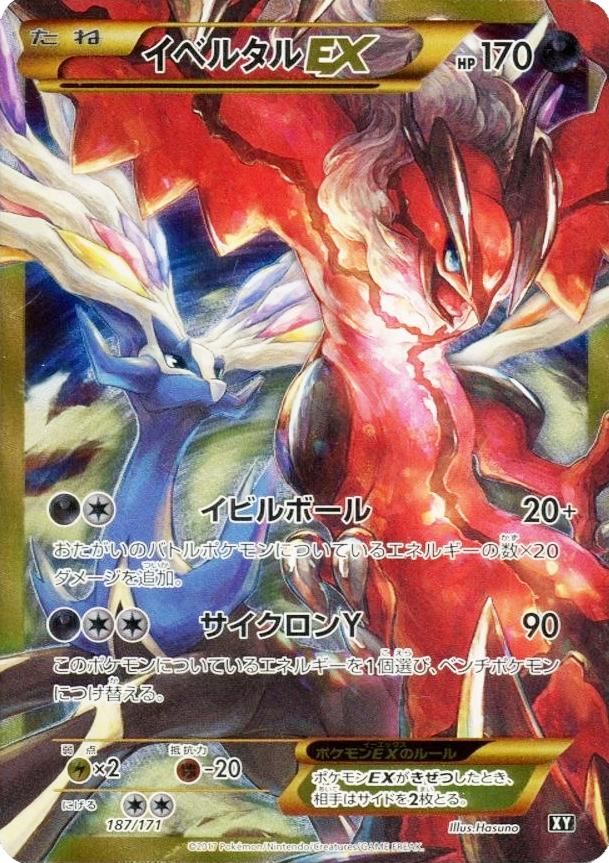
Best Graded Yveltal Cards: Collector & Investor Guide
Yveltal has been a standout Legendary Pokémon for collectors ever since the XY era introduced it as one of Kalos’s marquee mascots.