
PSA Grading Cost in 2026: New Prices, Real Delays, and Whether Grading Your Pokémon Cards Is Still Worth It
By Kyle Eggleston · Published May 13, 2026
**By Kyle Eggleston** · Updated July 23, 2026 · 10 min read "**How much does PSA grading cost?**" used to have a friendly answer. In 2026, it doesn't. On **June 2, 2026, PSA paused all four of its Value pricing tiers**. The tiers most Pokémon collectors actually used. The cheapest way to grade a card with PSA today is the **Regular tier at $79.99 per card**. For a hobby built on $20. $200 cards, that changes the math completely. I run a price-tracking platform, so I'm going to do what most grading articles won't: put real numbers against the decision, including the scenarios where grading is a money-losing move.
PSA Grading Prices in 2026: What You'll Actually Pay
| Service tier | Price per card | Status | Max declared value |
|---|---|---|---|
| Value (all 4 tiers) | $24.99. $39.99 | Paused since June 2, 2026 | . |
| Regular | $79.99 | Cheapest available option | $1,499 |
| Express | $149.99 | Available | $2,499 |
| Super Express | $299.99 | Available | $4,999 |
| Walk-through | $599+ | Available | Higher tiers |
But the sticker price isn't the real PSA card grading cost. Add:
- Shipping to PSA with tracking and insurance: $15. $40 for a small batch
- Return shipping: built into some tiers, added fees on others
- Insurance on the way back for anything valuable
- Supplies: penny sleeves, Card Savers, team bags, a box
Realistic all-in cost for a small Regular-tier submission: roughly $90. $110 per card. That's the number your card needs to beat.
Why Did PSA Pause the Value Tiers?
One word: backlog. The 2025-2026 grading boom buried every major company:
- PSA's queue reportedly reached roughly 10 million cards
- PSA grades about 90,000 cards per day and has been hiring ~1,000 additional staff
- The company's public Backlog Tracker goal is getting the queue down to 5 million
- PSA and CGC combined graded over 2 million TCG cards in April 2026 alone
- TAG closed its Basic, Standard, and Express tiers; SGC's turnaround stretched from 15-20 days to 40-50 days
Pausing cheap tiers is a demand valve. Fewer low-value submissions means the queue shrinks. And the cards that do come in pay more.
How Long Does PSA Grading Take in 2026?
Official estimates are one thing; PSA grading delays are another. Current reality reported by collectors:
- Regular tier: quoted in weeks, frequently running longer as the backlog clears
- Express and above: closer to quoted timelines, since higher-paying tiers are prioritized
- Rule of thumb: whatever PSA turnaround time you're quoted, plan your finances as if it takes twice that. If you need the money from a sale within 60 days, don't submit the card.
PSA 9 vs PSA 10: The Spread That Decides Everything
Grading profitability isn't about your card's raw value. It's about the gap between the PSA 9 price and the PSA 10 price, multiplied by your honest odds of hitting a 10.
A simplified break-even model for one card at ~$100 all-in cost:
- Expected value = (P₁₀ × PSA 10 price) + (P₉ × PSA 9 price) − $100 − raw card value
- A modern card worth $60 raw, $90 in PSA 9, and $250 in PSA 10 needs roughly a 45%+ gem rate just to break even
- Most collectors dramatically overestimate their gem rate. Pack-fresh modern cards still routinely grade 9 due to centering and print lines you can't see without a loupe
This is why the scandal I covered in the PSA buyback controversy hit a nerve. The entire economics of grading lives inside that 9-vs-10 spread.
When Grading Is Worth It in 2026
Grading still makes clear financial sense when:
- The card is worth $300+ raw. The $100 all-in cost becomes a rounding error
- The PSA 10 premium is large and proven. Check recent sold prices for both grades, not listing prices
- It's vintage or a key card. Slabs add authentication value, which matters more as super fakes spread
- You're holding long-term. Turnaround delays don't hurt you if you weren't selling soon anyway
- Authentication matters more than the grade. For high-value vintage, the slab is fraud protection
When You Shouldn't Grade
Skip grading when:
- The card is worth under ~$150 raw and isn't a strong gem candidate
- The PSA 9 price is below or near the raw price. A 9 becomes a loss after fees
- You're grading for sentiment. Nothing wrong with that, but call it consumption, not investment
- You'd need to sell within the turnaround window
Alternatives Worth Knowing
- CGC. The largest independent grader (no shared ownership with PSA/SGC); raised fees ~20% in January 2026 but remains competitive
- SGC. Fast historically, now stretched to 40-50 days; owned by PSA's parent company
- TAG. Computer-vision grading with detailed digital reports; premium tiers only right now
- AI pre-grading tools. A fast-growing category in 2026. Photograph your card, get a predicted grade, and then decide whether the gem odds justify a real submission. As someone building in this space at Slabfolio, I think pre-grading before paying $79.99 is simply rational now.
Frequently Asked Questions
How much is PSA grading right now?
The cheapest available tier is Regular at $79.99 per card (declared value up to $1,499). All four Value tiers ($24.99. $39.99) have been paused since June 2, 2026. All-in with shipping and supplies, budget roughly $90. $110 per card.
How long does PSA grading take in 2026?
Longer than quoted. With a reported ~10M card backlog, Regular-tier submissions frequently exceed their estimates. Higher tiers track closer to quoted times. Plan for double the estimate.
Is grading Pokémon cards worth it for cards under $100?
Usually not in 2026. With ~$100 all-in cost per card, sub-$100 cards need exceptional PSA 10 premiums and high gem odds to break even. Run the PSA 9 scenario first. If a 9 loses money, the submission is a coin-flip bet, not an investment.
Will PSA bring back the Value tiers?
PSA has framed the pause as temporary while the backlog clears toward its 5M goal. No return date has been announced. Watch PSA's Backlog Tracker for signals.
Kyle Eggleston is the founder of Slabfolio, a Pokémon card grading and price-tracking platform. He tracks graded card sales data daily so collectors don't have to.
This article is for informational purposes only and is not financial advice. Grading fees are sunk costs. Spend them only when the math works.
Sources: Sports Illustrated: PSA pausing Value tier grading · CardGrade: card grading backlog 2026 · Slab-Z: CGC fee changes
Related guides
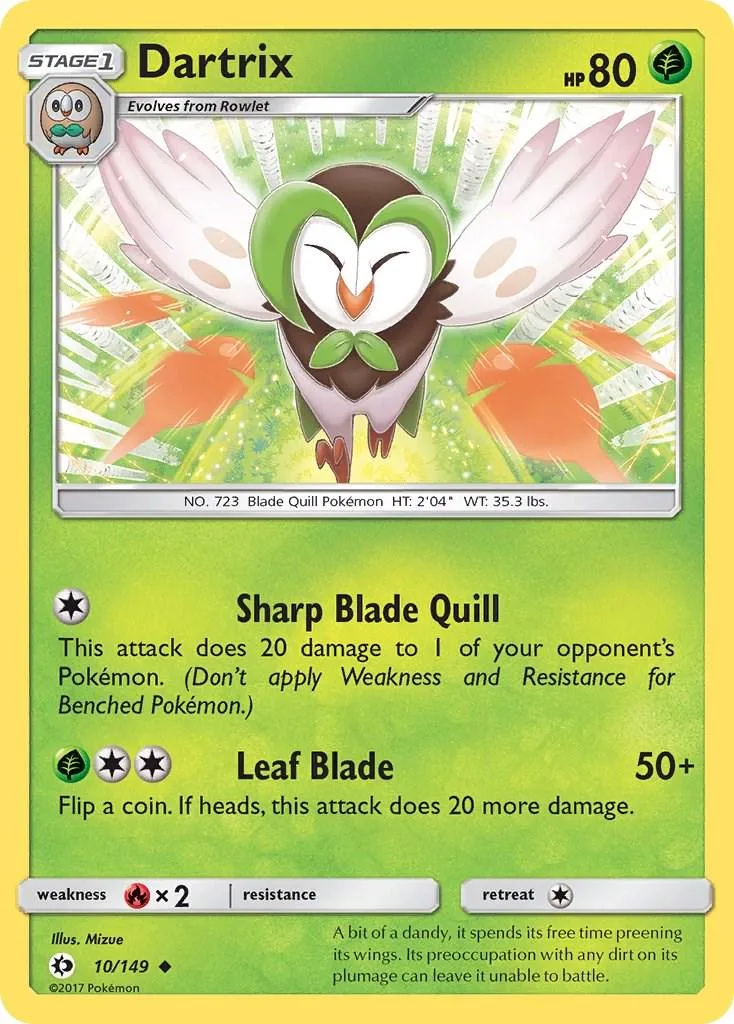
Best Graded Dartrix Cards: Collector & Investor Guide
Dartrix sits in a unique spot for Pokémon TCG collectors: it is a middle evolution from the Alola starter line, tied closely to Rowlet and Decidueye while still having a smaller, more specialized card catalog of its own.
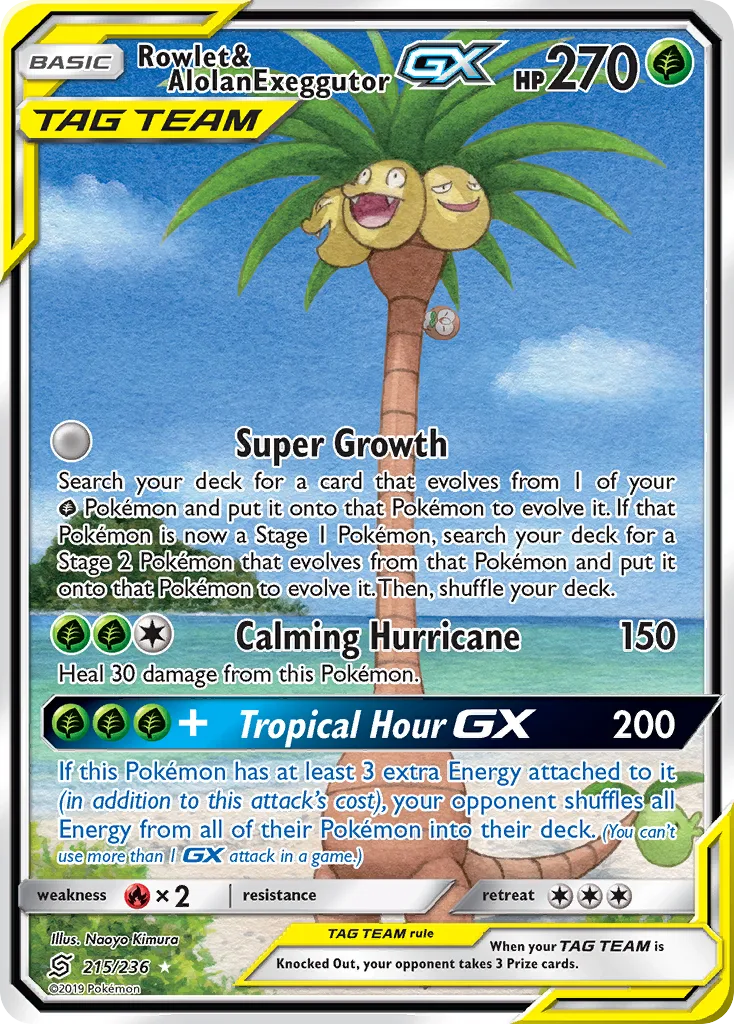
Best Graded Rowlet Cards: Collector & Investor Guide
Rowlet has become one of the most collected starter Pokémon of the Sun & Moon era thanks to its instantly recognizable design, strong anime presence, and long run of charming card appearances.
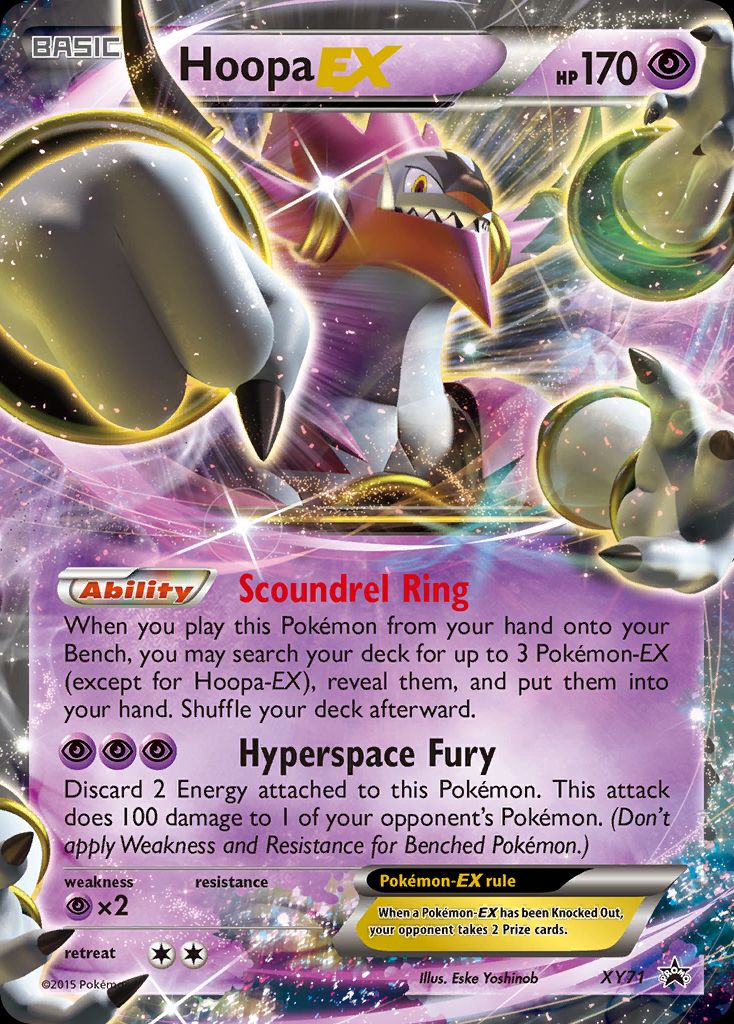
Best Graded Hoopa Cards: Collector & Investor Guide
Hoopa is one of the most visually distinctive Mythical Pokémon in the TCG, and its card history is concentrated in the XY era, when The Pokémon Company leaned hard into flashy Full Arts, promos, and movie tie-ins.
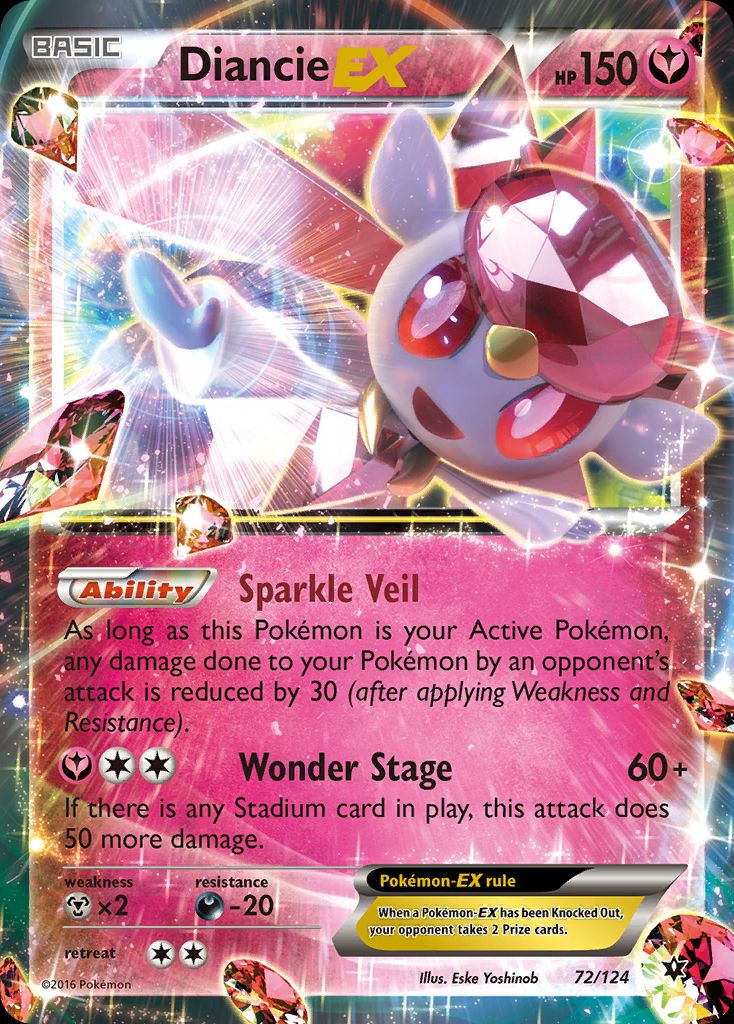
Best Graded Diancie Cards: Collector & Investor Guide
Diancie is one of the standout Mythical Pokémon of the XY era, and its card catalog is compact enough to chase while still offering real variety for collectors.
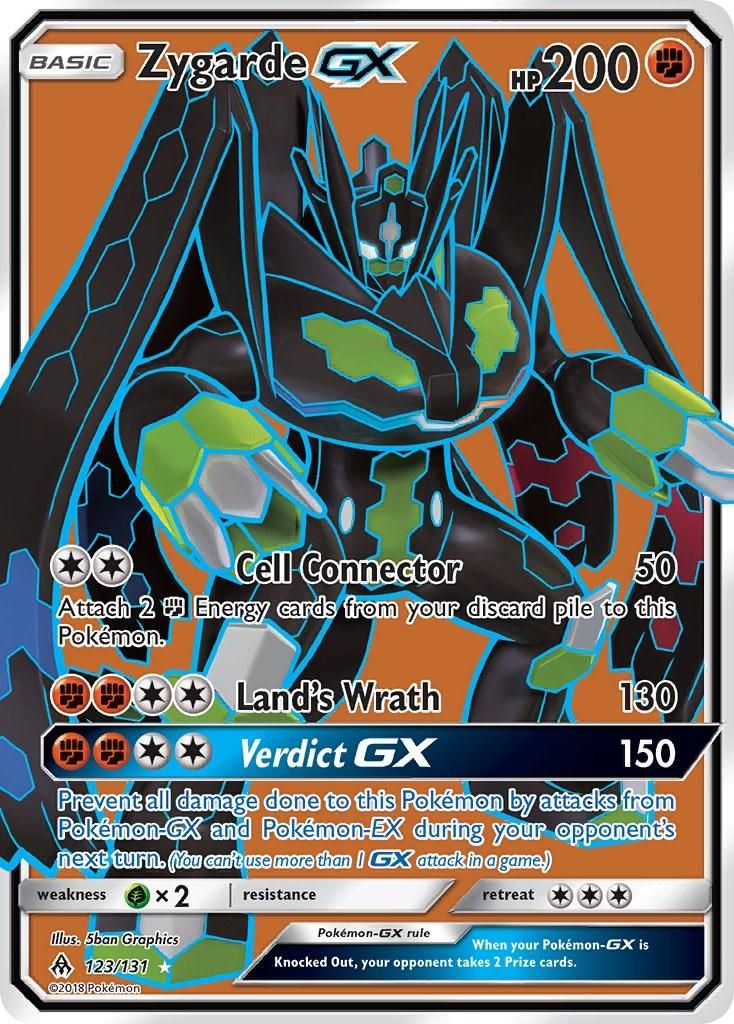
Best Graded Zygarde Cards: Collector & Investor Guide
Zygarde has a unique place in the Pokémon TCG because it bridges the late XY era, the Sun & Moon period, and modern specialty releases.
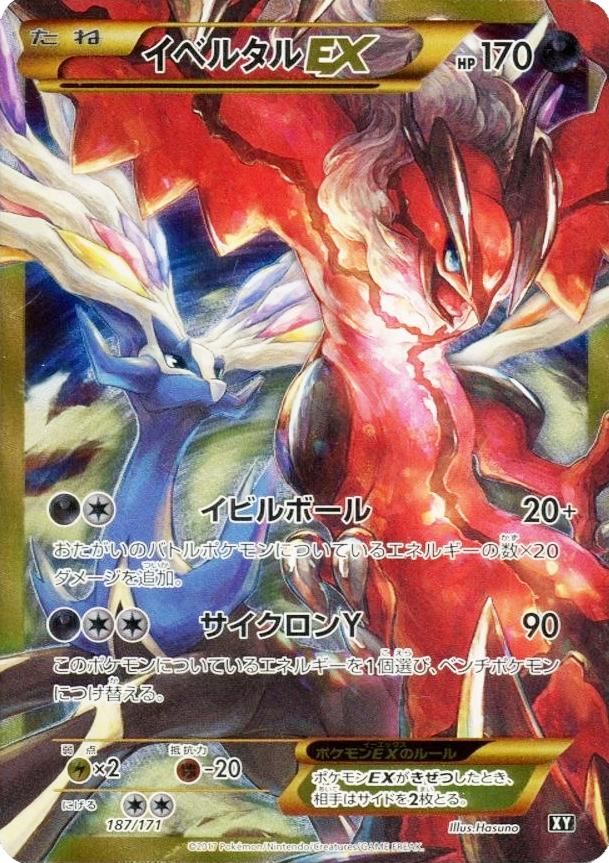
Best Graded Yveltal Cards: Collector & Investor Guide
Yveltal has been a standout Legendary Pokémon for collectors ever since the XY era introduced it as one of Kalos’s marquee mascots.