
How to Tell If a Pokémon Card Is Fake in 2026. When the Old Tricks No Longer Work
By Kyle Eggleston · Published May 13, 2026
**By Kyle Eggleston** · Updated July 23, 2026 · 10 min read For twenty years, spotting **fake Pokémon cards** was almost a party trick: bad fonts, washed-out colors, and the famous flashlight test settled it in seconds. That era is over. The 2026 wave of **"super fakes"** passes casual inspection. And in many cases **passes the light test** that a generation of collectors was taught to rely on. Industry fraud reporting now puts intercepted counterfeit and altered collectibles at **over $200 million**, and that's just what gets caught. Here's the modern, layered approach to authentication. From the 60-second checks to the ones counterfeiters still can't beat.
Why the Old Advice Stopped Working
Counterfeiters upgraded their equipment. Modern super fakes use better card stock, closer color calibration, and layered construction that mimics the opaque core of a genuine card. The result: a fake that feels right in hand and doesn't glow like a lantern when backlit.
The good news: printing a card is easy; replicating an industrial print process exactly is still hard. Every check below targets something counterfeiters consistently get wrong.
The 60-Second Checks (Still Worth Doing)
These catch the cheap fakes, which are still the majority:
- Back print quality. The blue back is the hardest thing to fake well. Compare against a card you know is real. Counterfeits skew too dark, too light, or slightly blurry in the swirl pattern.
- Font and spacing. Wrong weights, cramped energy symbols, off-center text boxes.
- Color saturation. Fakes often oversaturate the front artwork.
- Edges and corners. Genuine cards have clean die-cut edges; fakes often show tiny burrs or fraying out of the pack.
- Feel and flex. A real card has a firm, springy snap. Flimsy or overly stiff both signal trouble. (Skip the "rip test". Destroying cards to authenticate them is a meme, not a method.)
The Light Test. And Why It's No Longer Proof
The classic test: shine a bright light through the card. Genuine cards have an opaque middle layer, so little light passes through; old fakes lit up like paper.
Super fakes now include an opaque core layer. A card failing the light test is still damning evidence it's fake. But a card passing no longer proves it's real. Treat the light test as a filter, not a verdict.
The Checks That Still Beat Super Fakes
1. The loupe test (print pattern)
Under 10x. 30x magnification, genuine cards show the crisp rosette dot pattern of industrial offset printing. Most fakes. Even good ones. Are produced on digital presses that leave a different dot structure: smudgier, more uniform, or streaked. This is the single highest-value skill a collector can learn, and a loupe costs less than a booster pack.
2. Texture and foil behavior
Modern genuine holos and full-arts have embossed texture patterns that catch light in a specific way. Counterfeit foil tends to be flatter, glitterier, or textured in the wrong pattern. Tilt the card slowly under a single light source and compare against a known-genuine card of the same set.
3. Side-by-side with a verified copy
Nothing beats direct comparison. Same set, same era, known genuine. Layer thickness, back color, gloss level. Differences pop instantly in person that photos hide.
4. Weight and dimensions
Genuine cards cluster tightly around standard weight. A pocket scale reading meaningfully off (after accounting for holo vs non-holo) is a strong signal.
Fake Gold Pokémon Cards: A Special Case
Quick answer to a question I see constantly: the shiny "gold metal" Pokémon cards flooding marketplaces and flea markets are novelty items, not real Pokémon cards. The Pokémon Company's actual metal releases are rare, official, boxed promos. If a gold card cost $5 shipped, it's a souvenir. Nothing wrong with owning one; everything wrong with paying collector-card prices for it.
Fake Slabs: When the Counterfeit Is the Case
The scariest 2026 trend isn't fake cards. It's fake graded slabs: counterfeit or tampered cases wearing real-looking labels. Protect yourself:
- Verify the cert number on the grader's official database every time. And check that the photo/description on file matches the card in front of you
- Inspect the slab's seams and label fonts; tampered cases show glue residue, cloudiness, or mismatched label printing
- Be extra cautious with high-value slabs sold off-platform, where the current market correction has motivated sellers to move fast
- Remember that authentication is half the reason grading is still worth paying for on valuable vintage. A verified slab from a reputable grader remains the strongest anti-counterfeit tool the hobby has, even after this year's grading controversies
Safe Buying Rules for 2026
- Buy raw high-value cards in person or with full photo verification (front, back, loupe shots)
- On marketplaces, check seller history for card-specific feedback, not just star counts
- If a deal is dramatically below tracked market price, assume there's a reason. Check live comps on Slabfolio before you pay
- For anything over a few hundred dollars, prefer verified graded copies
- Screenshot listings and keep payment protection intact (no friends-and-family payments to strangers)
What to Do If You Bought a Fake
- Document everything. Listing, photos, messages, the card itself
- Request a return citing counterfeit goods; every major marketplace sides with buyers on authenticity claims
- Escalate to payment protection if the seller stalls
- Report the listing. Takedowns slow the flood for the next collector
- Don't resell it as real "to get your money back." That's how the chain continues. And it's fraud.
Frequently Asked Questions
What is the fastest way to tell if a Pokémon card is fake?
Compare the back against a known-genuine card, then check the front under a loupe for the offset-print rosette pattern. Those two checks catch the overwhelming majority of fakes, including many super fakes.
Does the light test still work on Pokémon cards?
Only one-directionally. A card that fails (glows through) is fake; a card that passes is not proven genuine, because super fakes now include an opaque core layer.
Are gold Pokémon cards real?
The inexpensive gold metal cards sold online are unofficial novelties. Official metal cards exist only as rare boxed promotional releases from The Pokémon Company.
Can fake Pokémon cards be graded?
Reputable graders reject counterfeits. Which is exactly why verified slabs are the safest way to buy expensive cards. But counterfeit slabs exist too, so always verify the cert number on the grader's database.
Kyle Eggleston is the founder of Slabfolio, a Pokémon card grading and price-tracking platform. He tracks graded card sales data daily so collectors don't have to.
This article is for informational purposes only. When in doubt about a card's authenticity, consult a professional grading service before completing a purchase.
Sources: Bleap: Pokémon card investment risks & counterfeit data
Related guides

Best Graded Dartrix Cards: Collector & Investor Guide
Dartrix sits in a unique spot for Pokémon TCG collectors: it is a middle evolution from the Alola starter line, tied closely to Rowlet and Decidueye while still having a smaller, more specialized card catalog of its own.

Best Graded Rowlet Cards: Collector & Investor Guide
Rowlet has become one of the most collected starter Pokémon of the Sun & Moon era thanks to its instantly recognizable design, strong anime presence, and long run of charming card appearances.
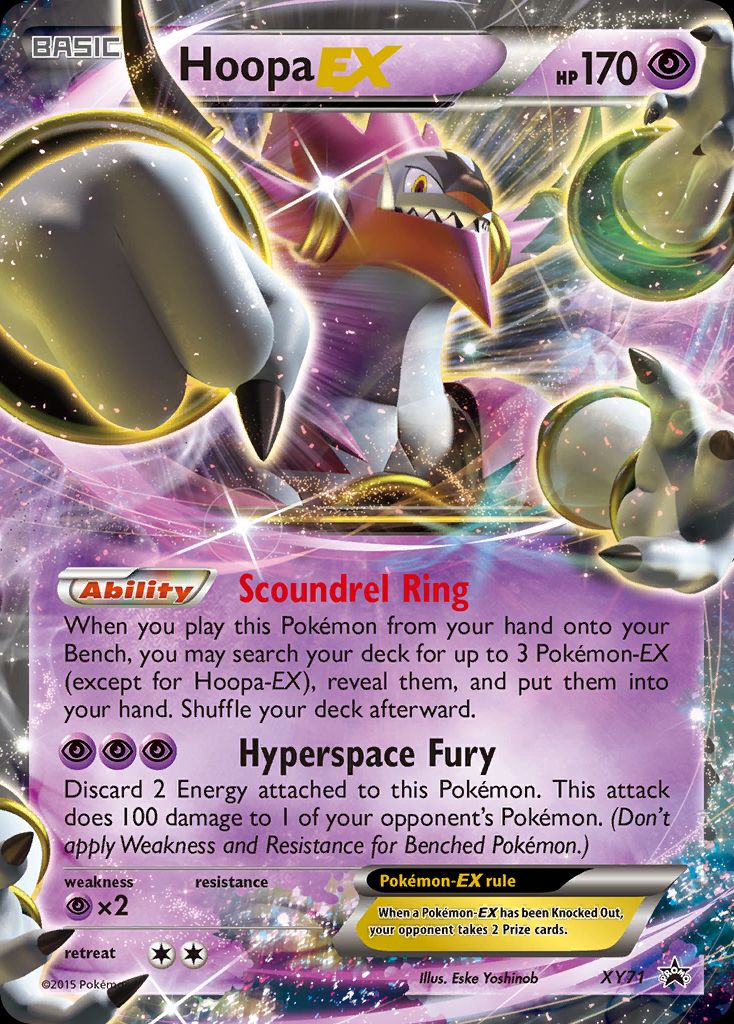
Best Graded Hoopa Cards: Collector & Investor Guide
Hoopa is one of the most visually distinctive Mythical Pokémon in the TCG, and its card history is concentrated in the XY era, when The Pokémon Company leaned hard into flashy Full Arts, promos, and movie tie-ins.
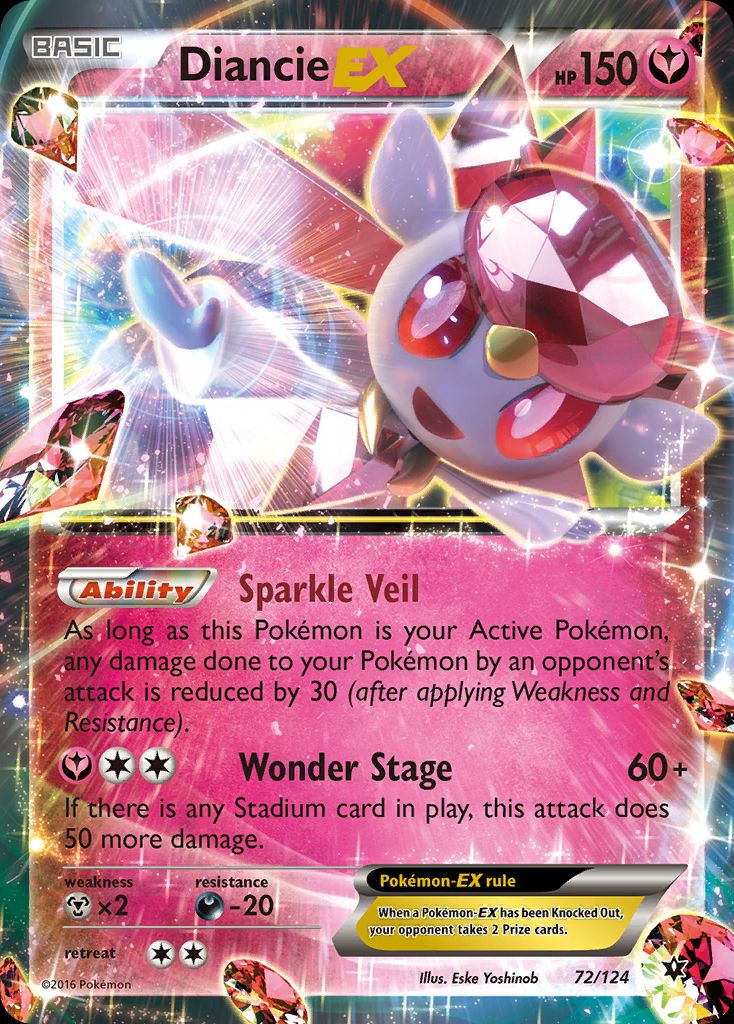
Best Graded Diancie Cards: Collector & Investor Guide
Diancie is one of the standout Mythical Pokémon of the XY era, and its card catalog is compact enough to chase while still offering real variety for collectors.
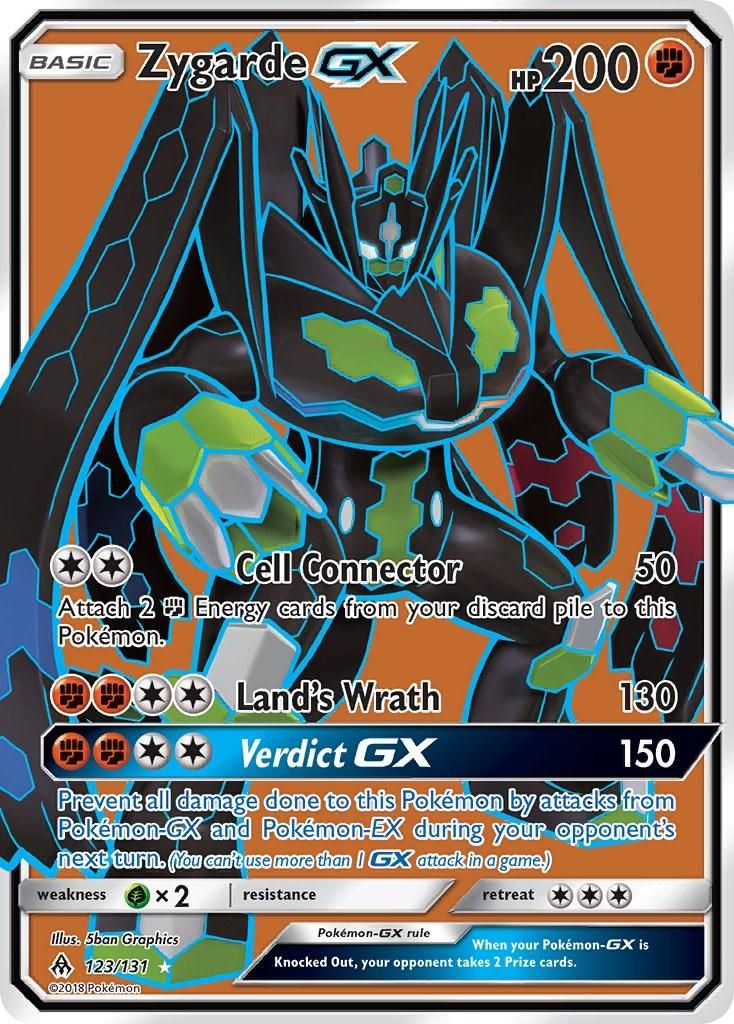
Best Graded Zygarde Cards: Collector & Investor Guide
Zygarde has a unique place in the Pokémon TCG because it bridges the late XY era, the Sun & Moon period, and modern specialty releases.

Best Graded Yveltal Cards: Collector & Investor Guide
Yveltal has been a standout Legendary Pokémon for collectors ever since the XY era introduced it as one of Kalos’s marquee mascots.