
Makuhita
Best Graded Makuhita Cards: Collector & Investor Guide
By Kyle Eggleston · Published May 13, 2026
Makuhita is not a headline chase Pokémon, but that is exactly why it appeals to focused species collectors. Its card history is concentrated in the EX era and early Diamond & Pearl years, giving collectors a compact but surprisingly interesting checklist that mixes English releases with Japanese-exclusive printings. For graded collectors, Makuhita is a classic low-pop species target. PSA, BGS, and CGC slabs help separate truly scarce mint copies from plentiful raw commons that often show edge wear, print lines, or handling issues. That makes grading especially useful when tracking real market value, comparing English and Japanese versions, and building a condition-sensitive niche collection.
Why Makuhita Cards Are Worth Collecting
Makuhita cards appeal to a specific kind of Pokémon TCG collector: the person who values species collecting, EX-era nostalgia, and overlooked artwork over pure hype. Most Makuhita cards were printed as commons, but that does not make top-grade examples easy. Many were pulled from heavily opened sets, stored casually, and rarely submitted in large volumes compared with star Pokémon.
The result is a fun collecting lane where artwork, set context, and condition matter more than manufactured scarcity. For collectors who enjoy building PSA 10 runs of a single Pokémon, Makuhita offers a manageable checklist with meaningful differences between English and Japanese releases.
What Makes a Graded Makuhita Card Valuable?
- Grade (PSA 10 commands highest premiums)
- Set and era (vintage vs modern sets)
- Rarity and print run
- Population report scarcity
- Recent sold comps on eBay
- Japanese vs English versions
- PSA 10 vs raw comparison
The Best Graded Makuhita Cards to Collect
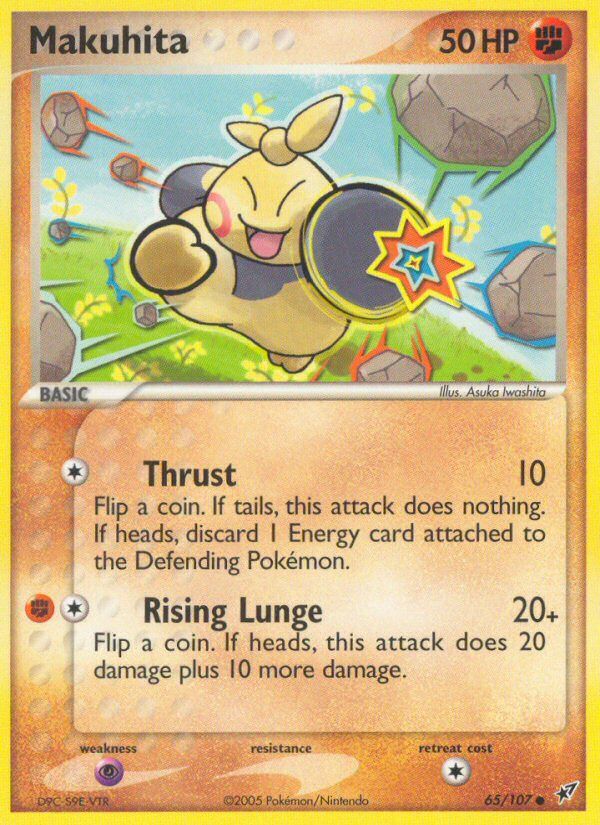
1. Makuhita ex Deoxys 65/107
This is the standout English Makuhita for many collectors because ex Deoxys remains one of the most beloved EX-era sets. Even as a common, it benefits from set prestige, strong era demand, and the challenge of finding clean mint copies with sharp corners and minimal surface wear.
In PSA 10, this card often attracts both Makuhita specialists and broader ex Deoxys set builders. English copies usually carry more visibility in the graded market, while Japanese ADV/PCG-era counterparts can offer lower-pop alternatives depending on submission trends.
2. Makuhita EX Emerald 61/106
Makuhita from EX Emerald has a classic mid-2000s feel and belongs to a set with enduring collector respect. It is not flashy, but that simplicity is part of the appeal: species collectors like the set placement, and high-grade buyers appreciate that EX-era commons still become condition-sensitive once slabbed.
When buying, centering and edge quality matter because rough-cut examples are common. For investors, it is a good benchmark card for tracking how even non-holo EX-era species cards can gain attention in PSA 10.
3. Makuhita EX Dragon 67/97
EX Dragon is one of the key early EX sets, so this Makuhita earns extra collector interest from people assembling graded species runs tied to important set names. It represents an earlier phase of Makuhita's TCG history and has the kind of subtle nostalgia that can outperform expectations in gem mint condition.
Compared with raw copies, slabbed PSA 10 examples stand apart because many surviving cards show whitening or light handling. Japanese equivalents can be appealing, but English EX Dragon tends to be the more recognizable target for Western collectors.
4. Makuhita EX Power Keepers 64/108
Power Keepers closes out the EX era, so this Makuhita works well as a bookend card for collectors building a timeline. Because the set was a late-era release, it has its own dedicated fan base, and species collectors often like including the final EX-block version of a Pokémon.
As a graded card, it is attractive for collectors who want EX-era representation without chasing expensive holos. Watch for print quality and back-edge whitening when comparing PSA 9 and PSA 10 candidates.
5. Makuhita Diamond & Pearl 77/130
Makuhita's Diamond & Pearl base set appearance is a useful transition card between eras. It lacks the EX-era mystique, but it benefits from being in a foundational DP set, which gives it long-term relevance for collectors building complete Makuhita runs.
PSA 10 copies can be tougher than expected because many DP commons were bindered or bulk-stored. This is a solid choice for collectors who want a complete graded species checklist instead of only chasing EX-era cards.
6. Makuhita Mysterious Treasures 98/123
Mysterious Treasures adds another Diamond & Pearl-era option and gives Makuhita collectors a slightly deeper checklist than many realize. It is not the most famous card on the list, but that lower profile can help create value for patient buyers targeting high-grade niche species cards.
If you are buying a graded copy, compare pop reports and recent sales rather than assuming a common should be cheap. Low submission volume can make true gem mint copies surprisingly hard to replace.
7. Makuhita Rising Rivals 79/111
This Rising Rivals printing rounds out Makuhita's main English run and appeals to collectors who enjoy late DP-era artwork and set diversity. It is a good example of how species collecting turns overlooked commons into meaningful pieces when viewed as part of a full graded registry-style set.
English versions generally have the most straightforward market visibility. For long-term collecting, this card helps complete the modern side of Makuhita's slab story after the more coveted EX-era entries.
8. Makuhita Mirage Forest 058/086
Japanese-exclusive ADV-era cards are often where Makuhita collecting gets more interesting. This Mirage Forest printing stands out because Japanese set cards from the period often feature stronger print quality, better centering, and lower public awareness among English-only collectors.
That can create opportunity in high grade. A PSA 10 Japanese copy may not always outsell the top English EX-era cards, but it can be the scarcer and more satisfying pickup for dedicated species specialists.
9. Makuhita Galactic's Conquest 066/096
Galactic's Conquest is the Japanese counterpart era that appeals to Diamond & Pearl collectors who want more than the English basics. For Makuhita completists, this card adds an important Japanese branch to the checklist and broadens the collection beyond standard English release patterns.
Because Japanese commons often survive in cleaner shape, value can come more from actual availability in slabs than from raw condition alone. That makes population tracking especially important before buying.
10. Makuhita Bonds to the End of Time 049/080
This Japanese-only Makuhita gives collectors another authentic DP-era target and is a strong final inclusion for anyone building a global Makuhita portfolio. It has the kind of low-key exclusivity that species collectors appreciate, especially when assembling one-card-per-set or one-card-per-era displays.
In PSA 10, cards like this can be more about rarity of appearance than headline pricing. If one surfaces from a reputable seller, waiting for a cheaper duplicate may not be realistic.
Vintage vs Modern Makuhita Cards
Makuhita does not have a true Wizards-era vintage card, so its collecting story starts in the EX era and runs into Diamond & Pearl. That makes its earliest EX Dragon, EX Emerald, ex Deoxys, and Power Keepers printings the closest thing to vintage anchors, while the DP-era cards are more affordable completion targets. As investments, EX-era Makuhita cards generally carry the strongest long-term appeal because of set prestige and condition scarcity, while modern-era and Japanese niche releases can offer lower-entry opportunities for patient graded collectors.
How to Track Makuhita Card Prices
Use eBay sold listings, PriceCharting, and PSA pop reports to gauge value. Slabfolio lets you look up graded card prices, upload your slab, and track your portfolio in one place.
FAQ
What is the rarest Makuhita card?
Among broadly recognized graded targets, Japanese-exclusive Makuhita printings can be the hardest to source in slabs because they surface less often than English commons. For mainstream English collectors, Makuhita from ex Deoxys is usually the key card to watch.
Is PSA 10 Makuhita worth buying?
Yes, if you collect niche Pokémon, low-pop commons, or EX-era species runs. PSA 10 Makuhita cards are usually bought for scarcity, set appeal, and long-term collectibility rather than short-term hype.
How do I find Makuhita card prices?
Check eBay sold listings, compare PriceCharting data where available, and review PSA population reports. Slabfolio is useful for tracking graded price movement and organizing your collection in one place.
Prices as of Oct 21, 2026
- 1
Makuhita PSA 10
ex Deoxys · 2005 · 65/107
Makuhita 65/107 from ex Deoxys is the most desirable English Makuhita for many collectors because it belongs to one of the most respected EX-era sets. Its popularity comes from set prestige and the difficulty of finding truly gem mint commons from this period.
Prioritize clean front surfaces and back edges, because EX-era commons often miss PSA 10 over minor whitening.
Estimated value: $1.6
- 2
Makuhita PSA 10
EX Emerald · 2005 · 61/106
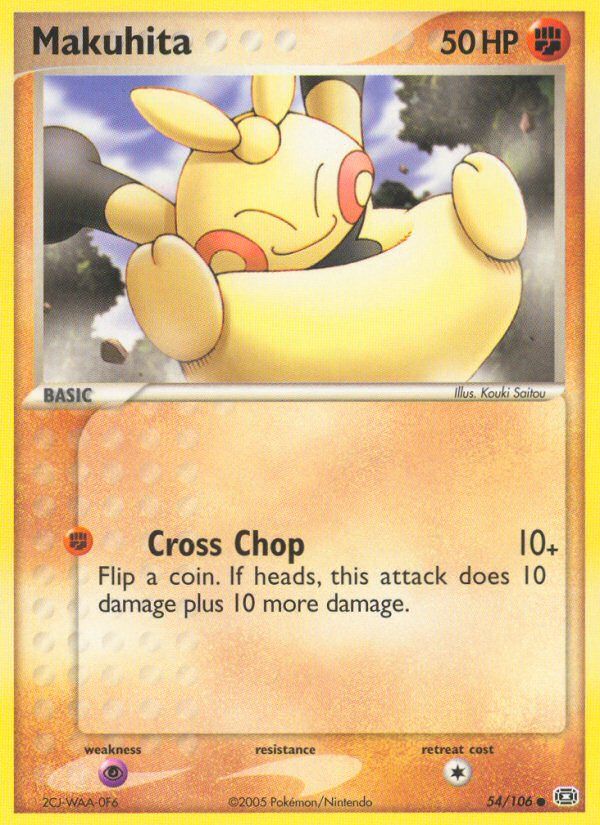
EX Emerald gave Makuhita one of its better-known English appearances during the mid-2000s. Collectors like it as a core EX-era species card with solid nostalgia and relatively low graded visibility compared with star Pokémon.
Check centering closely, as rough cuts and slight edge wear are common on raw copies.
Estimated value: $1.38
- 3
Makuhita PSA 10
EX Dragon · 2003 · 67/97
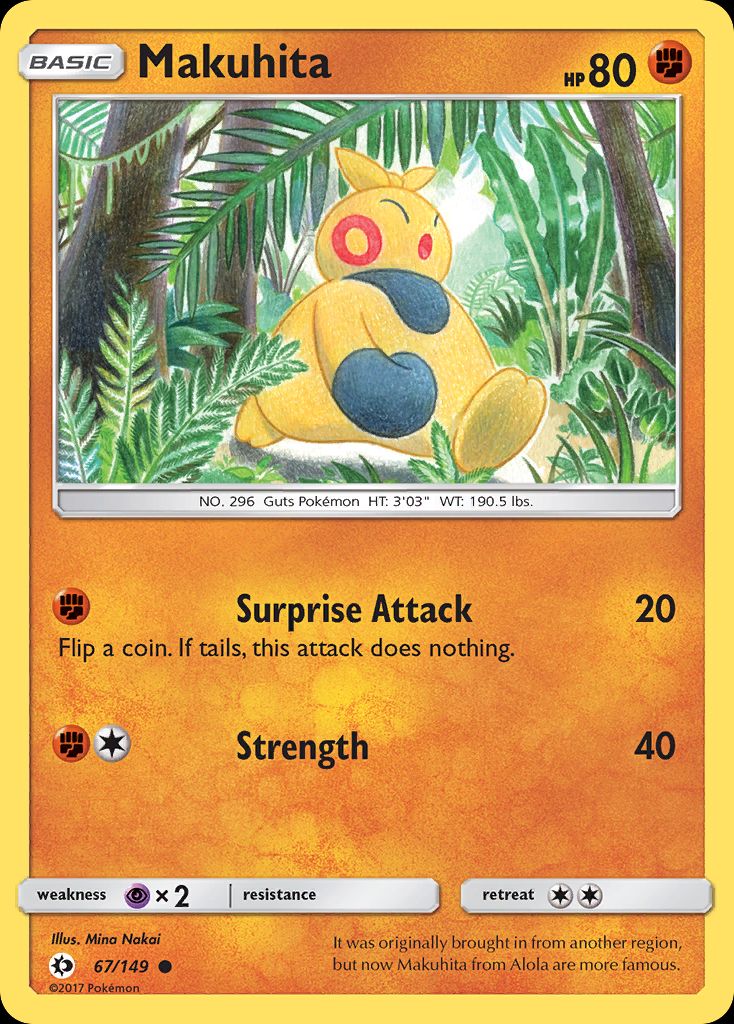
This early EX-block Makuhita is important because EX Dragon sits near the beginning of the era that defines Makuhita collecting. It is a cornerstone card for anyone building a chronological graded species run.
Buy the best eye appeal you can find, since early EX commons often show soft corners or print wear.
Estimated value: $1.24
- 4
Makuhita PSA 10
EX Power Keepers · 2007 · 64/108
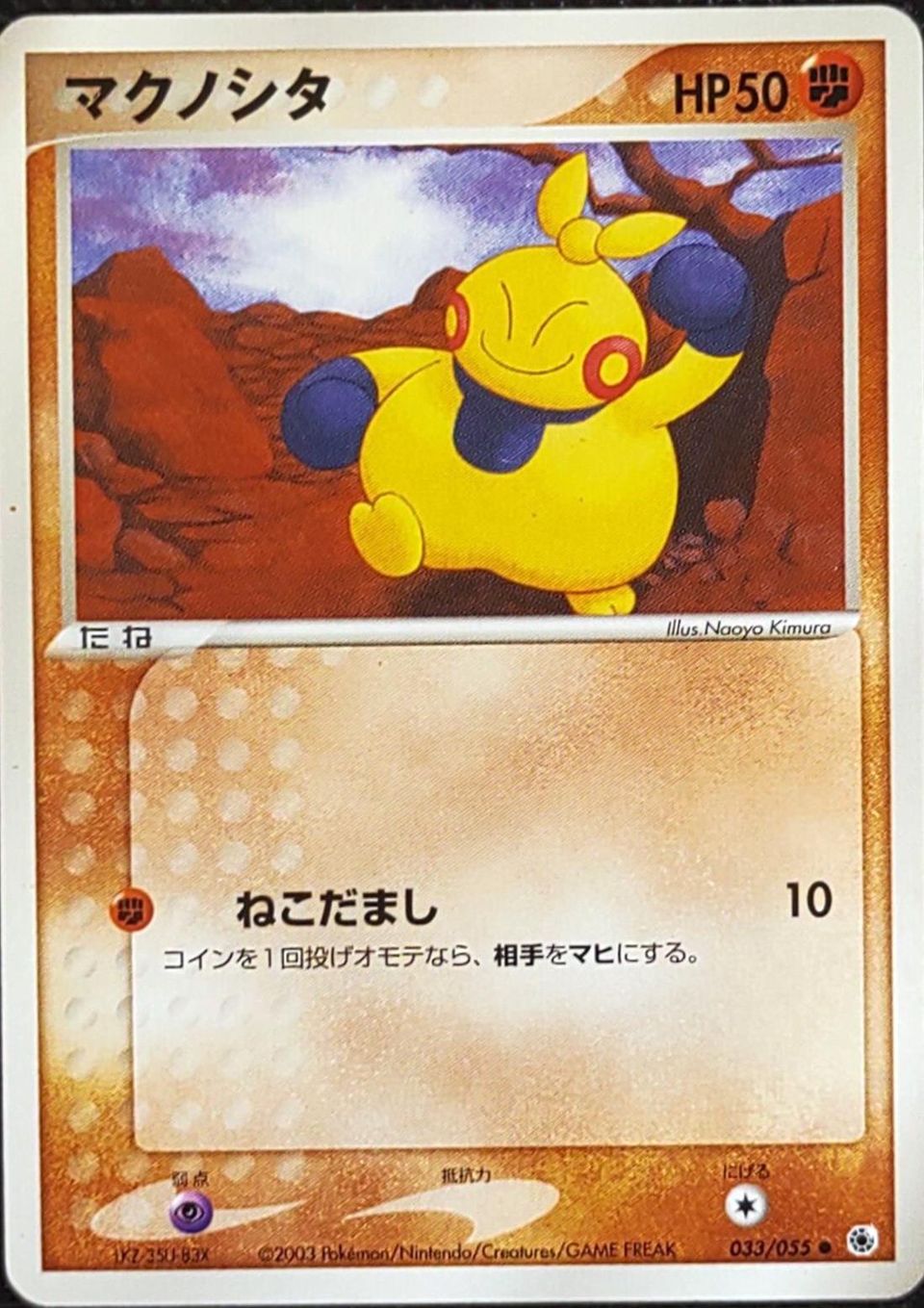
As a late EX-era release, Makuhita 64/108 from EX Power Keepers appeals to collectors who want the final EX-block version of the species. The set has a loyal following, which gives even commons a bit more collecting relevance.
PSA 10 examples are best sourced from sellers who provide clear scans of the back edges.
Estimated value: $1.24
- 5
Makuhita PSA 10
Diamond & Pearl · 2007 · 77/130
Makuhita's Diamond & Pearl base set card marks the species' move into the DP era. It is a useful bridge card for collectors who want both EX-era depth and a complete English Makuhita progression.
Do not dismiss DP commons raw; many have light scratching or storage wear that keeps them out of PSA 10 holders.
- 6
Makuhita PSA 10
Mysterious Treasures · 2007 · 98/123
This Mysterious Treasures printing gives Makuhita another legitimate DP-era slab target. It is a quieter card in the market, but that often makes it appealing to niche species collectors who prefer under-the-radar pickups.
Compare recent availability, because low submission cards can be harder to replace than their common rarity suggests.
- 7
Makuhita PSA 10
Rising Rivals · 2009 · 79/111
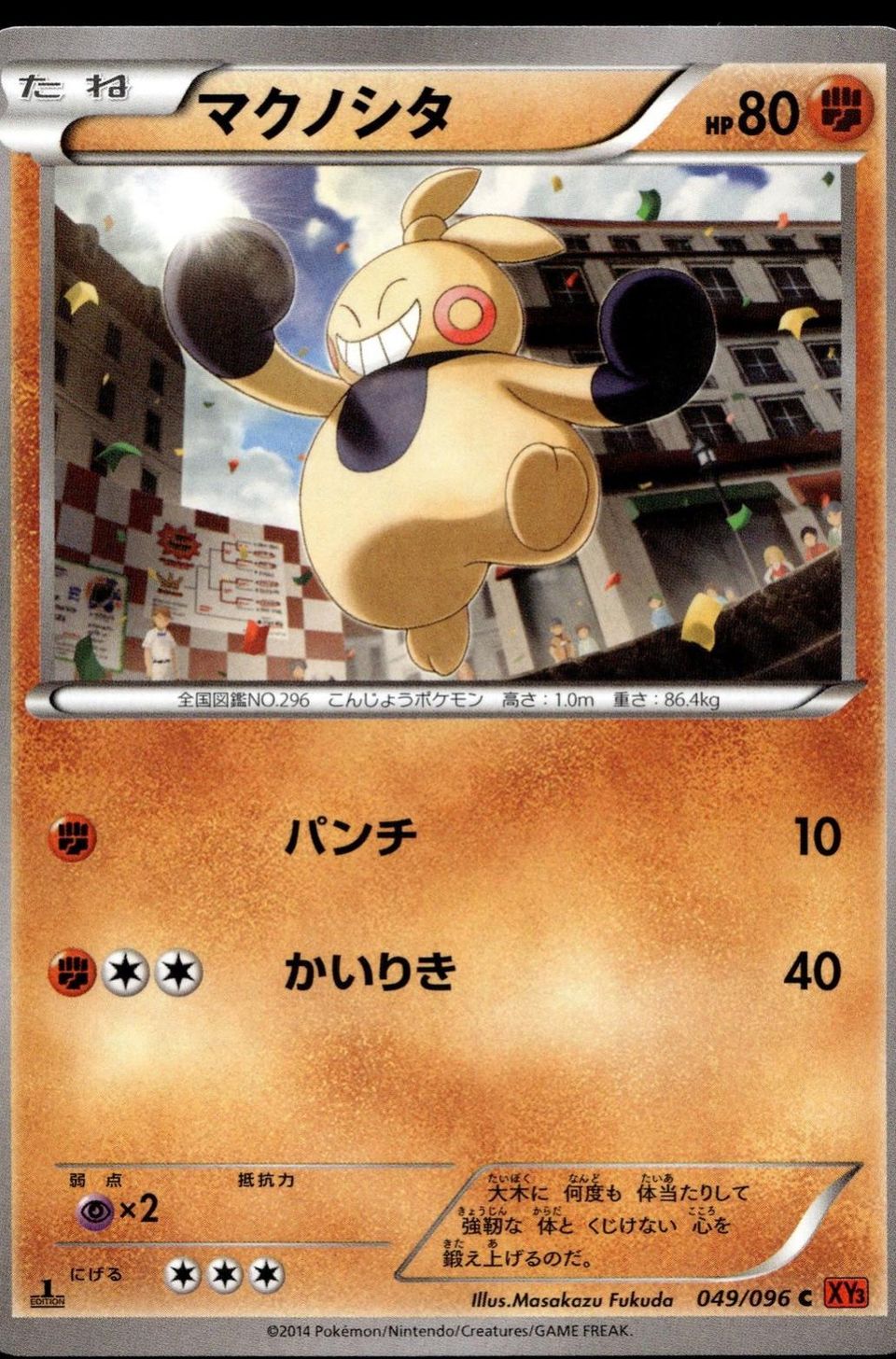
Rising Rivals is the last major English Makuhita appearance and helps complete the species' Diamond & Pearl run. It is a practical card for collectors aiming for a full graded English checklist.
Use this as a completion piece, but still insist on strong centering if paying a PSA 10 premium.
Estimated value: $2.29
- 8
Makuhita PSA 10
Mirage Forest · 2005 · 058/086
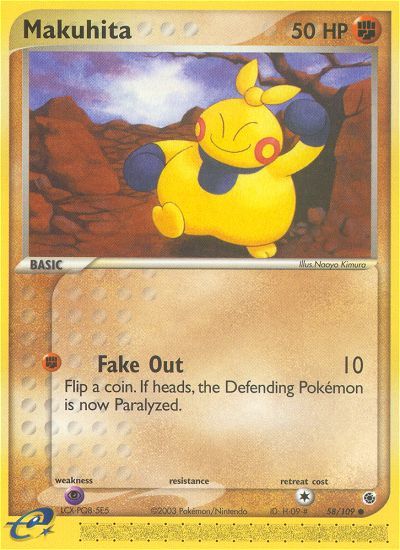
Makuhita 058/086 from the Japanese Mirage Forest set is a strong ADV-era addition for collectors who want more than the English basics. Japanese exclusives like this can be especially appealing when they surface in high grade less often than expected.
If you collect globally, prioritize Japanese ADV cards that appear infrequently in PSA holders.
Estimated value: $1.62
- 9
Makuhita PSA 10
Galactic's Conquest · 2007 · 066/096
This Japanese DP-era Makuhita gives species collectors a regional counterpart to its English-era releases. It is valued more for checklist depth and slab scarcity than for mainstream demand.
Japanese commons can still be great slab targets when pop counts are low and supply is thin.
- 10
Makuhita PSA 10
Bonds to the End of Time · 2008 · 049/080
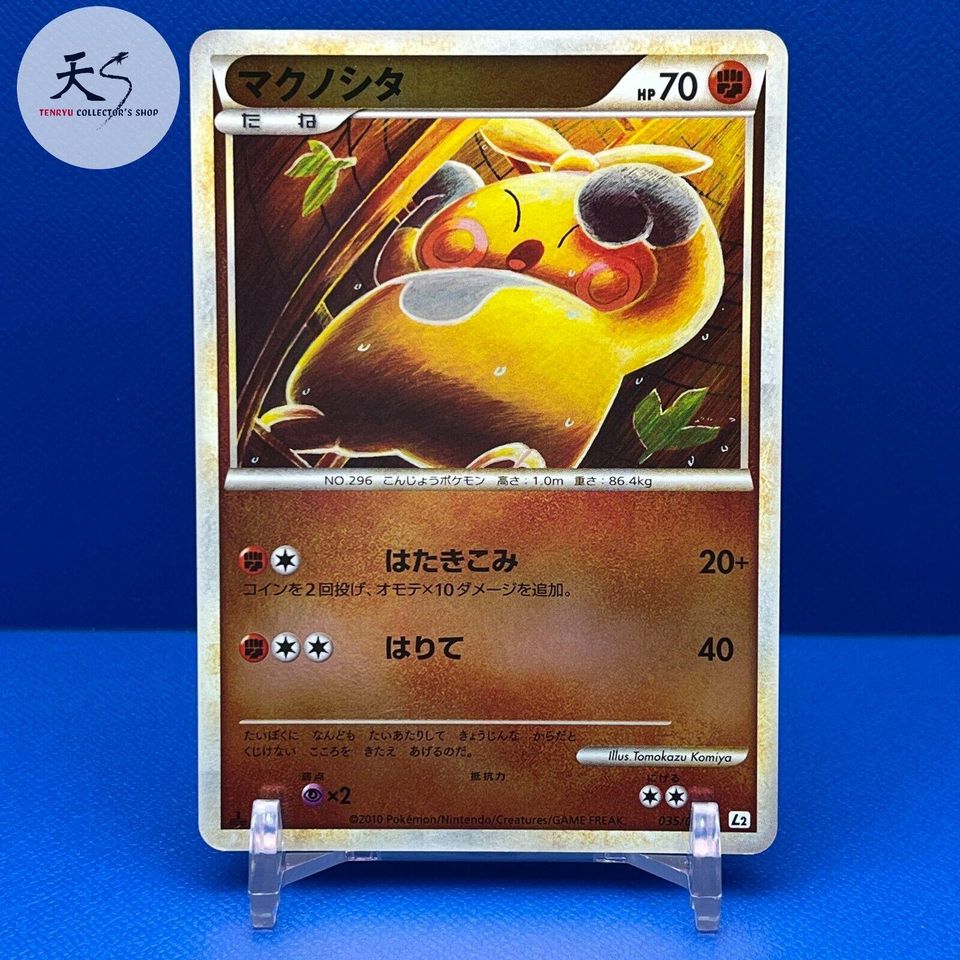
Makuhita 049/080 from Bonds to the End of Time is a useful Japanese-only addition for collectors building a truly complete species portfolio. It is the kind of card that may not command hype, but can be difficult to find in graded form on demand.
When a clean PSA 10 appears, availability may matter more than trying to shave a small amount off the price.
Estimated value: $4.04
Frequently asked questions
What is the rarest Makuhita card?
Among broadly recognized graded targets, Japanese-exclusive Makuhita printings can be the hardest to source in slabs because they surface less often than English commons. For mainstream English collectors, Makuhita from ex Deoxys is usually the key card to watch.
Is PSA 10 Makuhita worth buying?
Yes, if you collect niche Pokémon, low-pop commons, or EX-era species runs. PSA 10 Makuhita cards are usually bought for scarcity, set appeal, and long-term collectibility rather than short-term hype.
How do I find Makuhita card prices?
Check eBay sold listings, compare PriceCharting data where available, and review PSA population reports. Slabfolio is useful for tracking graded price movement and organizing your collection in one place.
Whether you're building your first graded Makuhita collection or managing a larger Pokémon card portfolio, tracking real market movement matters. Slabfolio helps collectors organize slabs, monitor values, and follow graded card price changes over time.
Related guides
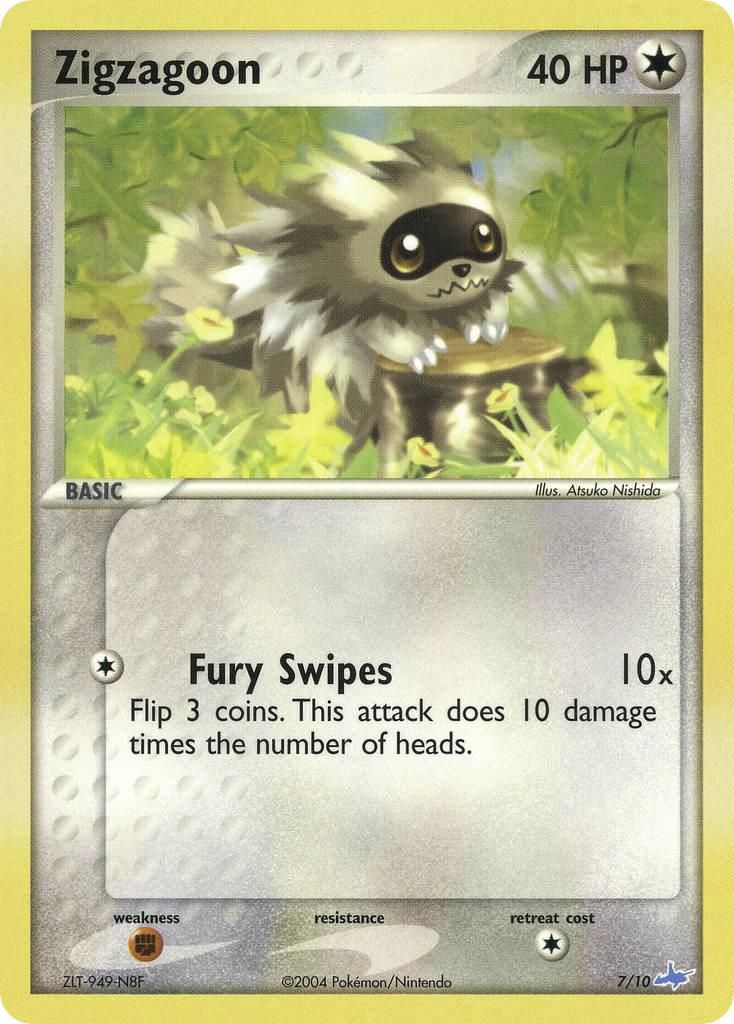
Best Graded Zigzagoon Cards: Collector & Investor Guide
Zigzagoon is a commons-and-completist favorite that quietly spans several important Pokémon TCG eras.
Best Graded Shiftry Cards: Collector & Investor Guide
Shiftry has never been the most heavily printed Hoenn Pokémon, but that is exactly why it appeals to focused collectors.
Best Graded Taillow Cards: Collector & Investor Guide
Taillow is a minor species in the broader Pokémon TCG, but that is exactly why it appeals to focused collectors.
Best Graded Breloom Cards: Collector & Investor Guide
Breloom has never been the most heavily printed Hoenn Pokémon, and that scarcity is exactly why collectors pay attention to it.
Best Graded Loudred Cards: Collector & Investor Guide
Loudred is a niche favorite in the Pokémon TCG: not a headline chase Pokémon, but a species with a surprisingly long run of appearances across the EX, Diamond & Pearl, Black & White, and Sword & Shield eras.
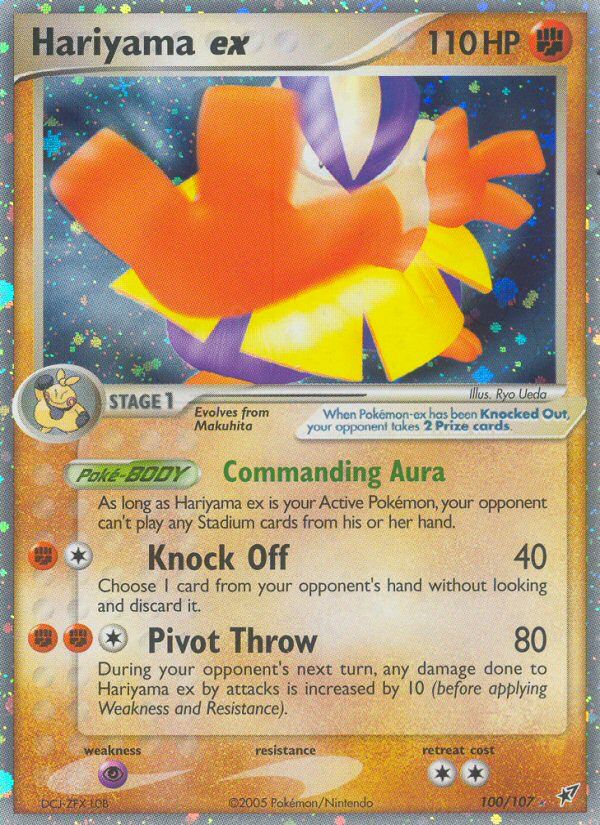
Best Graded Hariyama Cards: Collector & Investor Guide
Hariyama is not a headline Pokémon in the hobby, but that is exactly why many collectors enjoy it.