
Magmortar
Best Graded Magmortar Cards: Collector & Investor Guide
By Kyle Eggleston · Published May 13, 2026
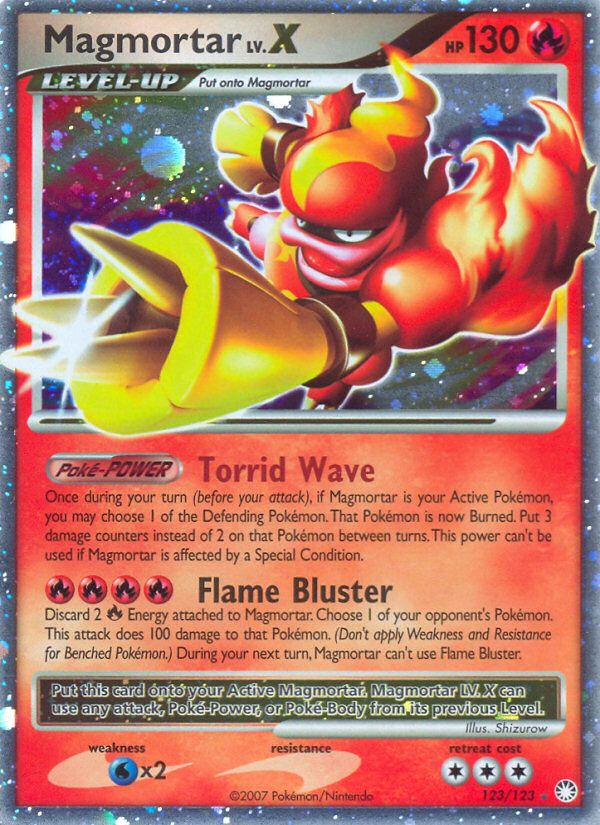
Magmortar sits in an interesting niche for Pokémon TCG collectors: it is a fourth-generation evolution with memorable Diamond & Pearl-era roots, strong artwork across multiple releases, and a dedicated fan base that appreciates Fire-type Pokémon beyond the usual Charizard spotlight. For many collectors, Magmortar cards capture the feel of the DP and Platinum years, when Lv.X cards, regional promos, and Japanese-exclusive prints gave evolution Pokémon real collector depth. Graded Magmortar cards matter because condition sensitivity can sharply separate common binder copies from premium slabbed examples. PSA, BGS, and CGC grades help collectors track scarcity, compare recent sales, and understand where English and Japanese releases differ in value. For a Pokémon like Magmortar, grading often turns an overlooked card into a much more deliberate portfolio piece.
Why Magmortar Cards Are Worth Collecting
Magmortar is one of the signature Sinnoh-era evolutions, and that alone gives it lasting appeal with collectors who grew up during Diamond & Pearl. Its cards tend to feature aggressive Fire-type artwork, bold foil treatments, and several under-the-radar releases that feel more niche than mainstream blue-chip Pokémon. That can make Magmortar especially appealing to collectors who want a focused character run rather than chasing only the biggest names in the hobby.
From the early DP expansion period to later HeartGold & SoulSilver-era appearances, Magmortar has a surprisingly varied card checklist. The standout is clearly Magmortar Lv.X, but promo and Japanese-exclusive copies also give collectors multiple ways to build a graded lineup with different scarcity profiles and price points.
What Makes a Graded Magmortar Card Valuable?
- Grade (PSA 10 commands highest premiums)
- Set and era (Diamond & Pearl, Platinum, and HeartGold & SoulSilver era cards tend to draw the most nostalgia)
- Rarity and print run
- Population report scarcity
- Recent sold comps on eBay
- Japanese vs English versions
- PSA 10 vs raw comparison
The Best Graded Magmortar Cards to Collect
1. Magmortar Lv.X - Secret Wonders 123/132
Magmortar Lv.X is the centerpiece of any serious Magmortar collection. As the card most collectors immediately associate with the Pokémon, it combines DP-era nostalgia with the premium feel of the Lv.X mechanic, making it the most important slab to target first.
In top grades, this card gets tougher because DP-era holofoil and surface issues can hold back gem-mint copies. English demand is usually the strongest for broad collector recognition, but Japanese counterparts can offer cleaner print quality depending on the specific release.
2. Magmortar - Secret Wonders 31/132
The regular Secret Wonders Magmortar is often overshadowed by its Lv.X companion, which is exactly why many set-focused collectors still want it. It is part of the same key era and gives you the complete evolutionary moment from one of Magmortar's defining expansions.
For buyers, this is a smart slab when you want a lower-cost DP-era anchor with recognizable artwork. High-grade copies can still be worthwhile because many surviving raw examples show edge and corner wear.
3. Magmortar FB - Supreme Victors 12/147
Magmortar FB is one of the more distinctive Magmortar cards because it ties into the Frontier Brain and SP-era design language that defines late Diamond & Pearl collecting. The FB branding gives it a different flavor from standard Magmortar cards and adds crossover appeal for collectors of Gym Leader and SP Pokémon themes.
English copies tend to be the default target for set builders, but Japanese versions can attract niche demand from dedicated SP-era collectors. In PSA 10, the card is attractive because it sits at the intersection of character collecting and trainer-themed subset collecting.
4. Magmortar FB - Supreme Victors 43/147
This non-holo Supreme Victors Magmortar FB offers a more accessible way to collect the SP-era look without paying Lv.X-level premiums. Even so, condition-sensitive commons and uncommons from this era can be tougher than they first appear, especially when buyers want strong centering and clean edges in a slab.
It is a useful pickup for anyone building a ranked Magmortar registry or a complete English Magmortar run. While not the flashiest card here, it has strong checklist importance.
5. Magmortar - Mysterious Treasures 21/123
Mysterious Treasures includes one of Magmortar's earliest regular set appearances in English, making it notable for collectors focused on first-wave DP-era cards. Early appearances often matter more over time because they show where a Pokémon first established itself in the TCG after its game debut generation.
This card is a good example of a slab that can remain affordable while still carrying era significance. If you want a foundational Magmortar piece, this is a sensible target in PSA 9 or PSA 10.
6. Magmortar - Arceus 6/99
Magmortar from Arceus benefits from being part of a set that remains popular for its unusual theme and distinctive artwork direction. Arceus-era cards have a dedicated following, and Magmortar fits well into that late-DP collecting lane.
Compared with some earlier Magmortar cards, this one can be easier to overlook, which may help collectors buy in at a more reasonable level. Strong eye appeal and clean holo surfaces matter a lot here when choosing a graded copy.
7. Magmortar - Undaunted 2/90
Undaunted gives Magmortar a HeartGold & SoulSilver-era holo, which broadens its collector appeal beyond pure DP nostalgia. HGSS-era cards have their own dedicated market, and this release is one of the better examples of Magmortar bridging two adjacent eras of the hobby.
This card can be especially appealing to collectors building Fire-type holo runs from HGSS sets. In PSA 10, the combination of holofoil quality, print lines, and centering becomes important when comparing copies.
8. Magmortar - Black Star Promo DP20
DP20 is one of the most recognizable English Magmortar promos and an easy recommendation for collectors who like blister and promotional releases. Black Star promos often carry strong long-term appeal because they sit outside standard set numbering while still being essential for player-era completionists.
For graded buyers, promo cards can sometimes surface in better condition than pack-pulled holos, but that is not guaranteed. Sealed-origin copies and clean foil are still the key things to watch.
9. Magmortar - Black Star Promo DP45
DP45 is another important English promo and a nice complement to DP20 if you are assembling a complete Magmortar slab run. Promotional copies like this help tell the broader story of how Magmortar was marketed during the Diamond & Pearl era.
Collector demand is usually driven by completion more than raw rarity, but that can still create solid interest in high grades. It is a strong pickup for anyone who values full checklist coverage over chasing only headline cards.
10. Magmortar G - DPt-P Promo 010/DPt-P
Japanese DPt-P promos are exactly the kind of cards advanced collectors often hunt when they want something scarcer and more region-specific than standard English releases. Magmortar G stands out because Japanese promo numbering and limited distribution can make these cards feel much more specialized.
For investors, Japanese promo cards can be harder to comp consistently, but that also creates opportunity when demand spikes from character collectors. If you find a well-centered copy in a top grade, it can be one of the most interesting Magmortar slabs in the market.
Vintage vs Modern Magmortar Cards
Magmortar does not have a true vintage Wizards-era presence, so its collector foundation starts in the Diamond & Pearl period and carries into Platinum and HeartGold & SoulSilver. That makes its earliest cards feel like the closest thing to vintage within the Magmortar niche, while later releases tend to be easier entry points. For investment-minded collectors, the best balance of nostalgia and scarcity usually comes from early DP-era holos, Lv.X cards, and Japanese promos rather than more abundant modern-era appearances.
How to Track Magmortar Card Prices
Use eBay sold listings, PriceCharting, and PSA pop reports to gauge value. Slabfolio lets you look up graded card prices, upload your slab, and track your portfolio in one place.
FAQ
What is the rarest Magmortar card?
Among broadly collected Magmortar cards, the Japanese promo releases are usually the toughest to source consistently, while Magmortar Lv.X is the most important mainstream chase card. Exact rarity depends on print distribution and current graded population.
Is PSA 10 Magmortar worth buying?
Yes, especially if you are targeting key DP-era cards like Magmortar Lv.X or harder-to-find promos. The gap between raw and PSA 10 can be meaningful because condition-sensitive older cards are not easy to replace in gem mint.
How do I find Magmortar card prices?
Check eBay sold listings for real transaction data, compare with PriceCharting where available, and review PSA population reports for supply context. Slabfolio also helps track graded Magmortar values and your collection performance over time.
Prices as of Oct 21, 2026
- 1
Magmortar Lv.X PSA 10
Secret Wonders · 2007 · 123/132
Released in 2007 in Secret Wonders, Magmortar Lv.X is the defining Magmortar chase card of the Diamond & Pearl era. Its Lv.X status and strong nostalgia make it the flagship slab for character collectors.
Prioritize clean holo surfaces and centering, since DP-era foil wear can keep strong-looking copies out of PSA 10.
Estimated value: $2.95
- 2
Magmortar PSA 10
Secret Wonders · 2007 · 31/132
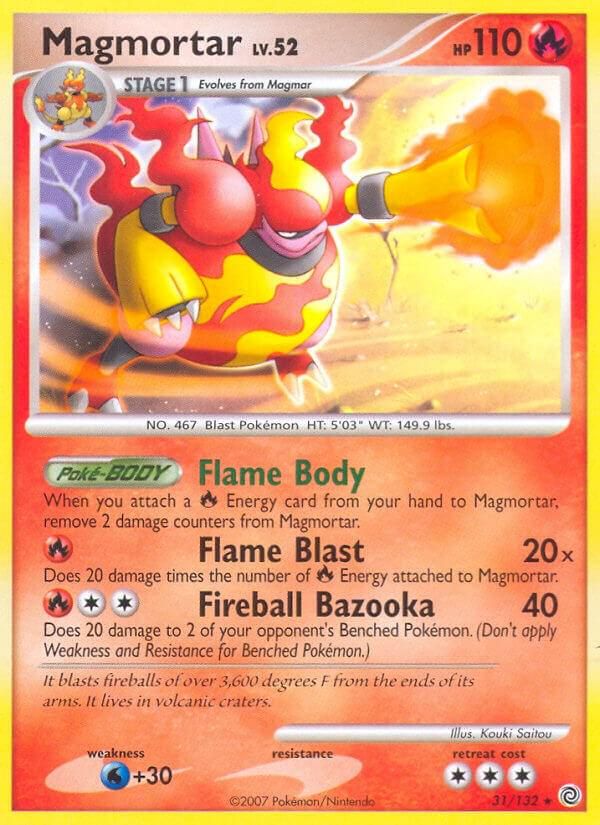
This regular holo from Secret Wonders pairs naturally with Magmortar Lv.X and is an essential companion piece for set and species collectors. It remains one of the most recognizable early Magmortar cards in English.
Buy it alongside the Lv.X if possible to create a matched graded pair from Magmortar's signature set.
Estimated value: $2.95
- 3
Magmortar FB PSA 10
Supreme Victors · 2009 · 12/147
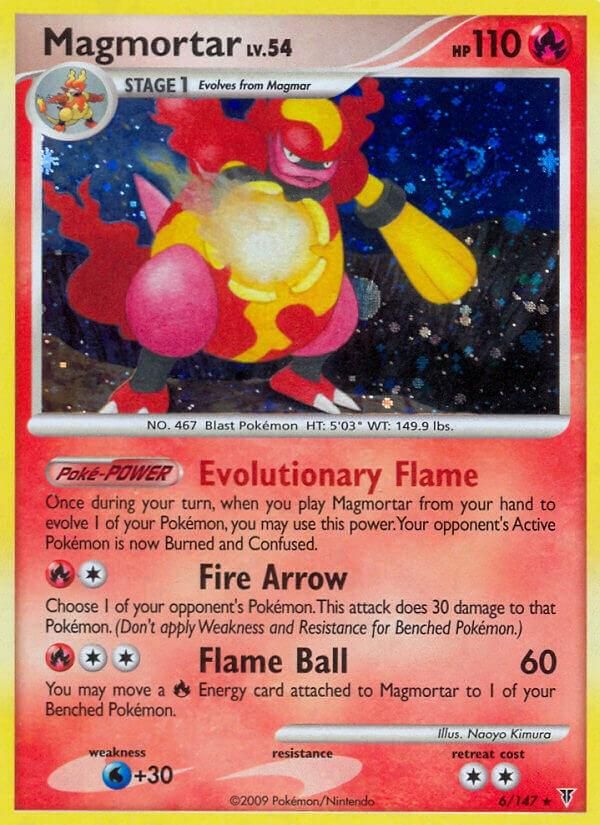
Magmortar FB brings the Pokémon into the SP-themed design era that many Platinum collectors love. Its Frontier Brain styling gives it broader appeal beyond pure Magmortar fans.
This is a strong crossover card for collectors who also build SP, Galactic, or trainer-linked Pokémon runs.
Estimated value: $7.48
- 4
Magmortar FB PSA 10
Supreme Victors · 2009 · 43/147
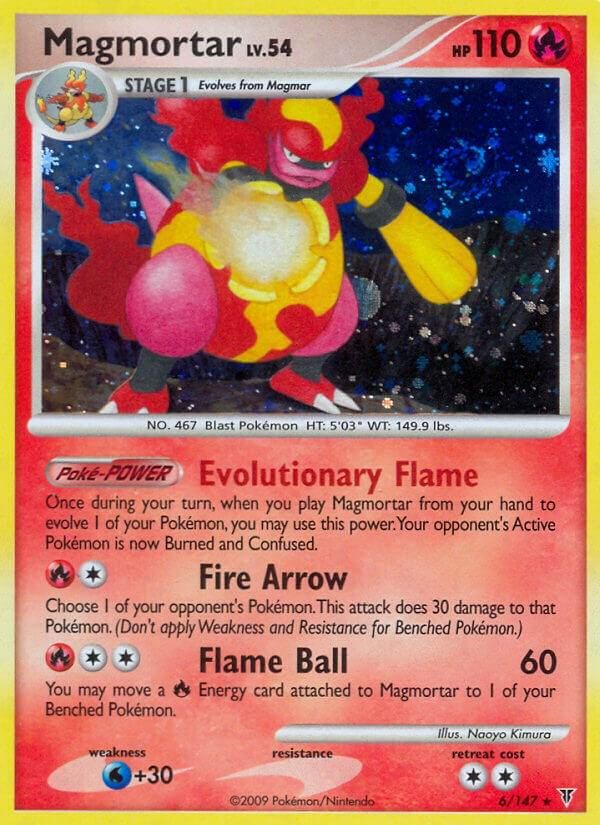
The non-holo Supreme Victors Magmortar FB is a quieter release, but it matters for complete Magmortar and complete set checklists. Condition-sensitive Platinum-era non-holos can still be appealing in top grade.
Do not overlook non-holo registry pieces if your goal is a truly complete graded Magmortar run.
Estimated value: $7.48
- 5
Magmortar PSA 10
Mysterious Treasures · 2007 · 21/123
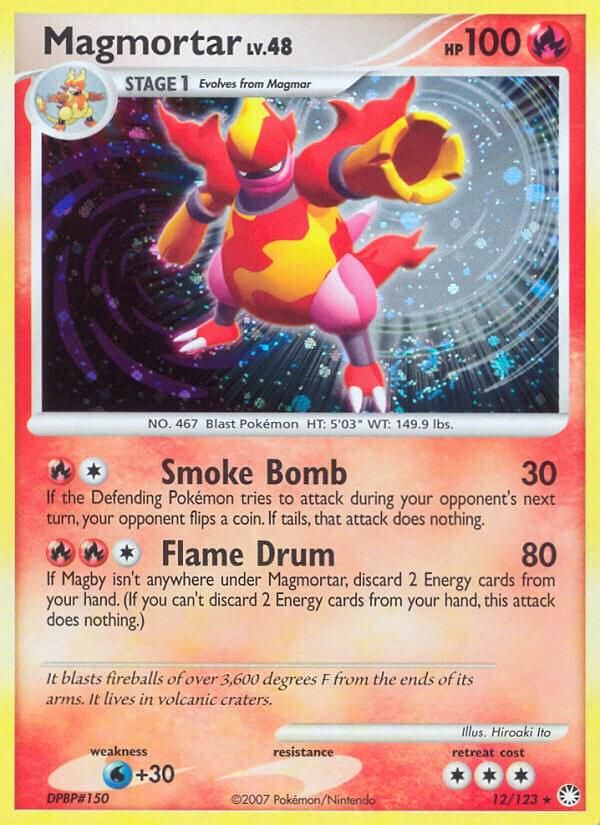
As one of Magmortar's earliest English set appearances, Mysterious Treasures holds extra significance for first-wave Sinnoh collectors. It is a foundational card for anyone focusing on Magmortar's early TCG history.
A PSA 9 can be a practical value play, but PSA 10 examples are better long-term anchor pieces.
Estimated value: $6
- 6
Magmortar PSA 10
Arceus · 2009 · 6/99
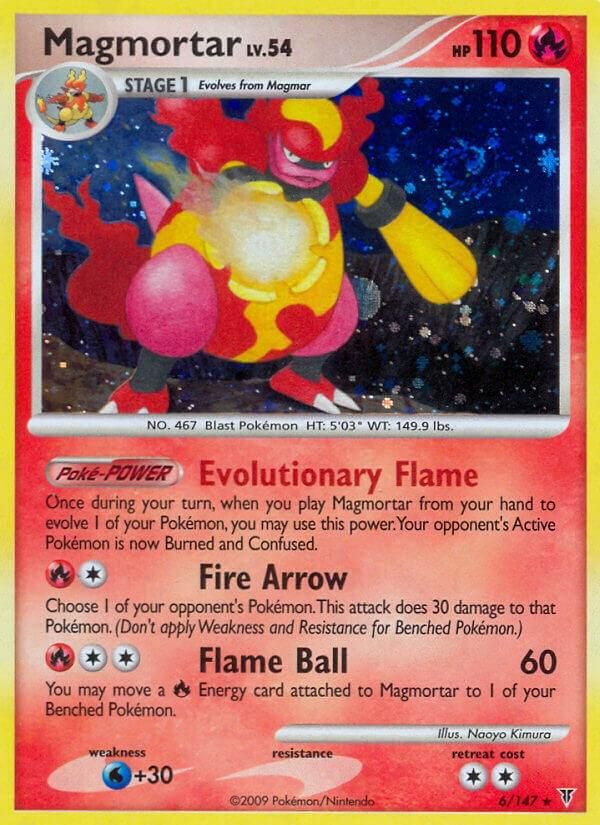
Arceus-era holos have a distinct collector following, and this Magmortar stands out as a late-DP release with strong visual appeal. It adds depth to a graded run beyond the usual Secret Wonders focus.
Target copies with minimal print lines and strong front centering for the best slab appeal.
Estimated value: $7.48
- 7
Magmortar PSA 10
Undaunted · 2010 · 2/90
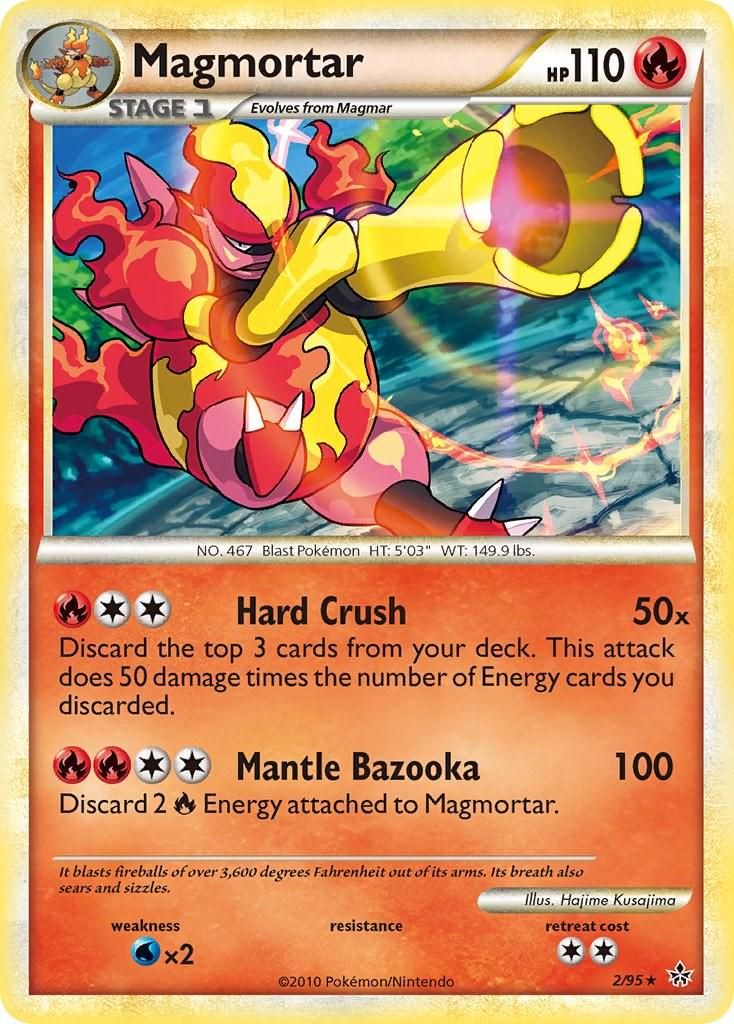
Undaunted places Magmortar in the HeartGold & SoulSilver era, giving the species a notable holo outside its original DP wave. That era crossover helps this card appeal to a wider collector base.
HGSS holo quality can vary, so inspect foil and edge condition closely before paying a PSA 10 premium.
Estimated value: $6.2
- 8
Magmortar PSA 10
DP Black Star Promos · 2007 · DP20
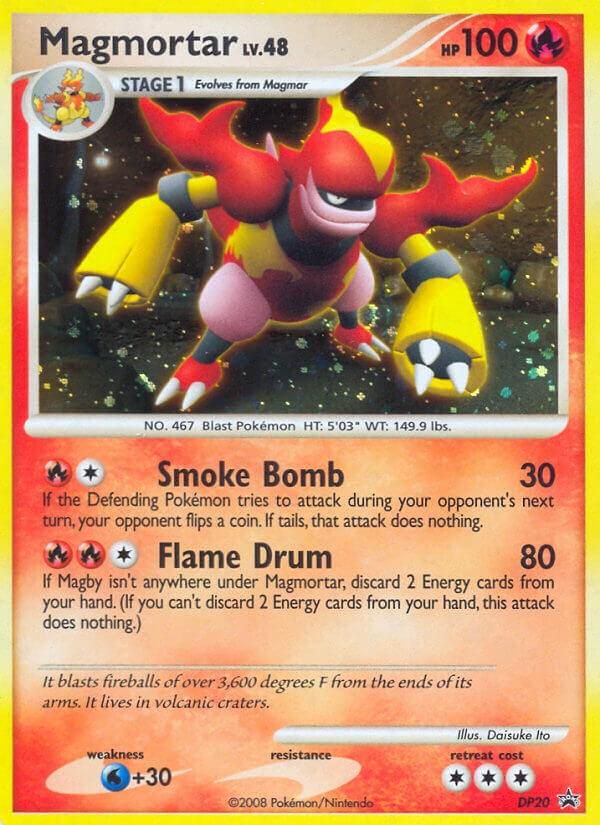
DP20 is one of the key English Magmortar promos from the Diamond & Pearl period. Promotional releases like this often become essential targets for advanced species collectors who want more than just pack-issued cards.
Promo slabs are ideal for adding variety to a Magmortar collection without leaving the core DP era.
Estimated value: $4.26
- 9
Magmortar PSA 10
DP Black Star Promos · 2008 · DP45
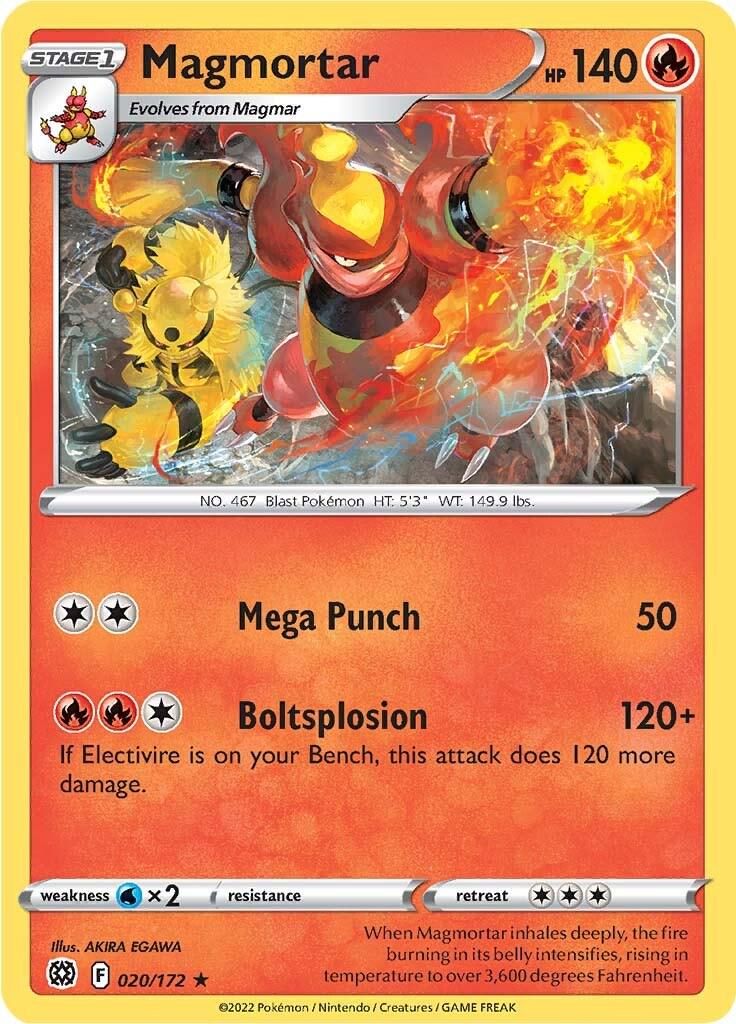
DP45 is another important English promo that helps round out a serious Magmortar checklist. It is particularly attractive to collectors who value release history and promo coverage as much as raw scarcity.
If you collect by era, pairing DP20 and DP45 creates a strong promo-focused Magmortar mini-run.
Estimated value: $0.65
- 10
Magmortar G PSA 10
DPt-P Promotional cards · 2009 · 010/DPt-P
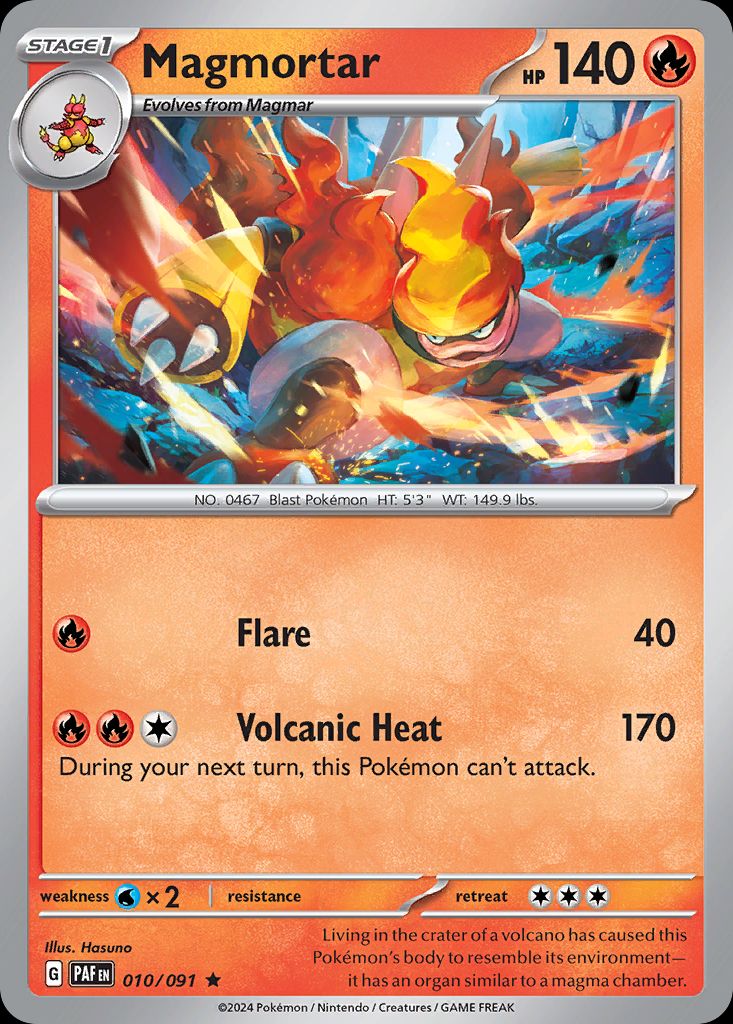
This Japanese DPt-P promo gives Magmortar collectors a region-specific card with niche appeal and a different collecting lane from standard English set issues. Japanese promos often stand out for distribution quirks and lower casual awareness.
Japanese promos can be harder to comp, so use recent sold listings and population data together before buying.
Frequently asked questions
What is the rarest Magmortar card?
Among broadly collected Magmortar cards, the Japanese promo releases are usually the toughest to source consistently, while Magmortar Lv.X is the most important mainstream chase card. Exact rarity depends on print distribution and current graded population.
Is PSA 10 Magmortar worth buying?
Yes, especially if you are targeting key DP-era cards like Magmortar Lv.X or harder-to-find promos. The gap between raw and PSA 10 can be meaningful because condition-sensitive older cards are not easy to replace in gem mint.
How do I find Magmortar card prices?
Check eBay sold listings for real transaction data, compare with PriceCharting where available, and review PSA population reports for supply context. Slabfolio also helps track graded Magmortar values and your collection performance over time.
Whether you're building your first graded Magmortar collection or managing a larger Pokémon card portfolio, tracking real market movement matters. Slabfolio helps collectors organize slabs, monitor values, and follow graded card price changes over time.
Related guides
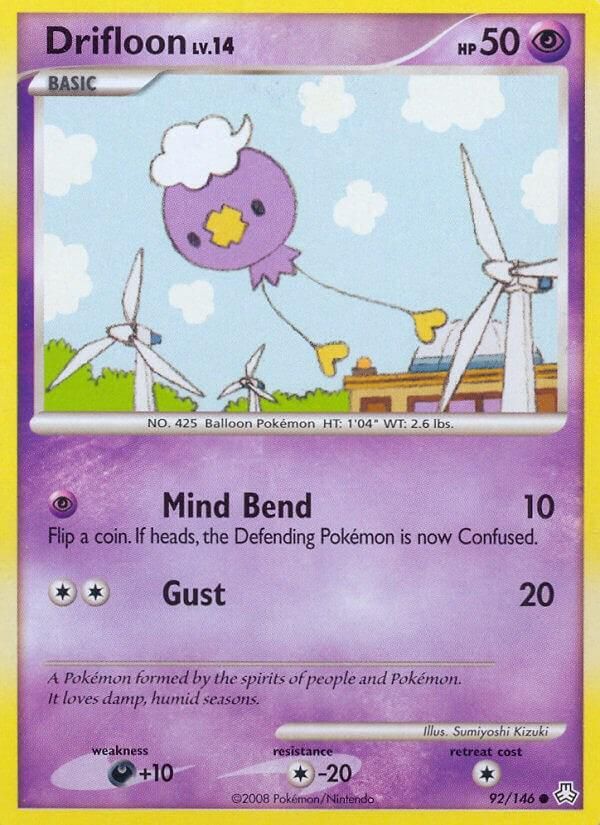
Best Graded Drifloon Cards: Collector & Investor Guide
Drifloon is one of those Sinnoh-era Pokémon that has built a quiet but loyal collector base.
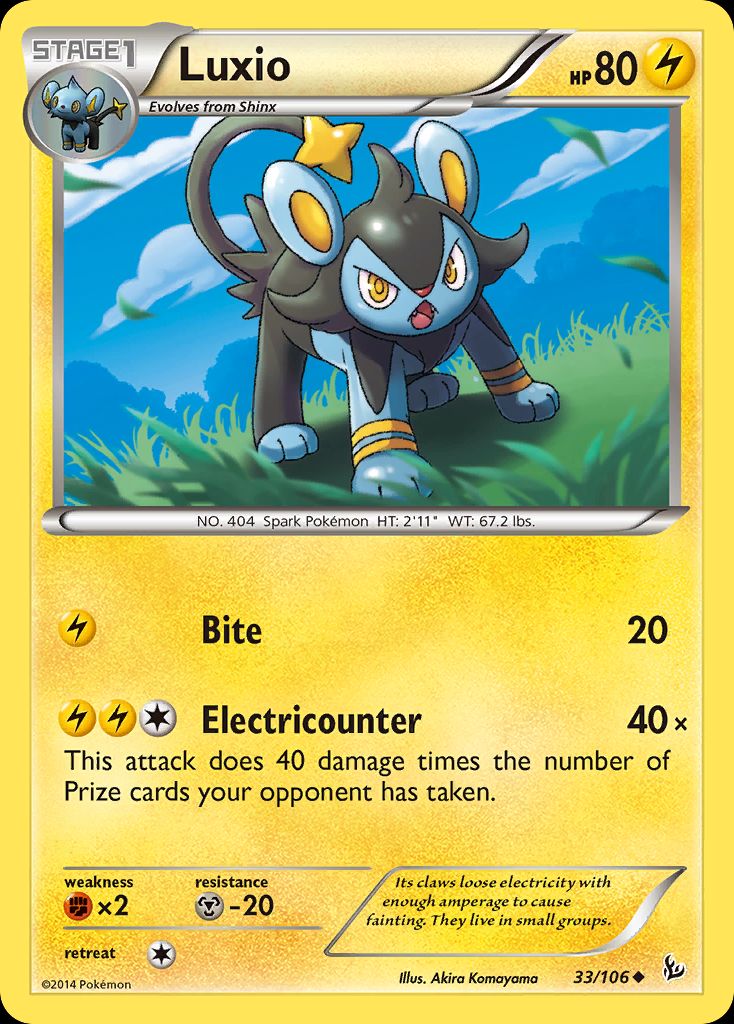
Best Graded Luxio Cards: Collector & Investor Guide
Luxio sits in an interesting spot for Pokémon TCG collectors.
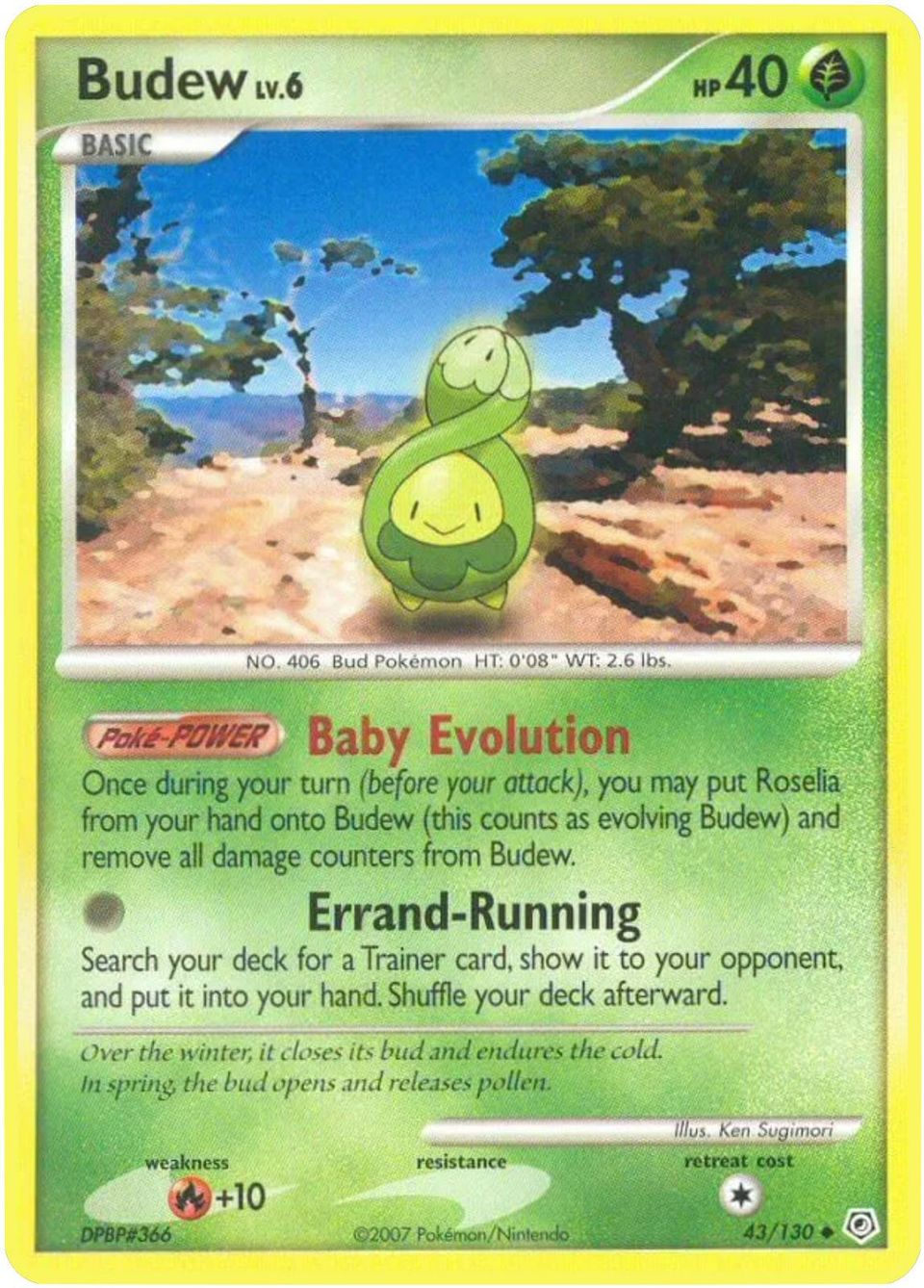
Best Graded Budew Cards: Collector & Investor Guide
Budew is a small Baby Pokémon, but it has a surprisingly focused niche within the Pokémon TCG.
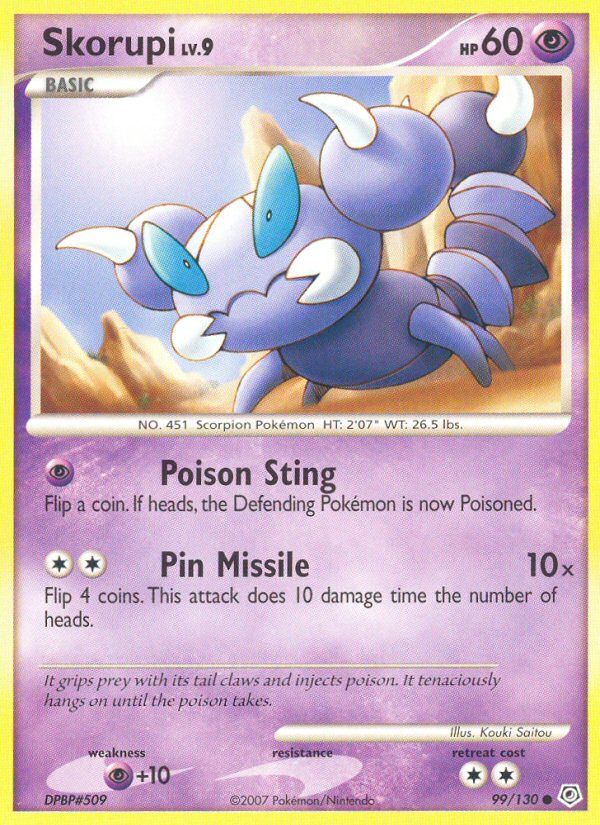
Best Graded Skorupi Cards: Collector & Investor Guide
Skorupi is not a headline Pokémon in the way Charizard or Pikachu is, but that is exactly why it appeals to focused species collectors.
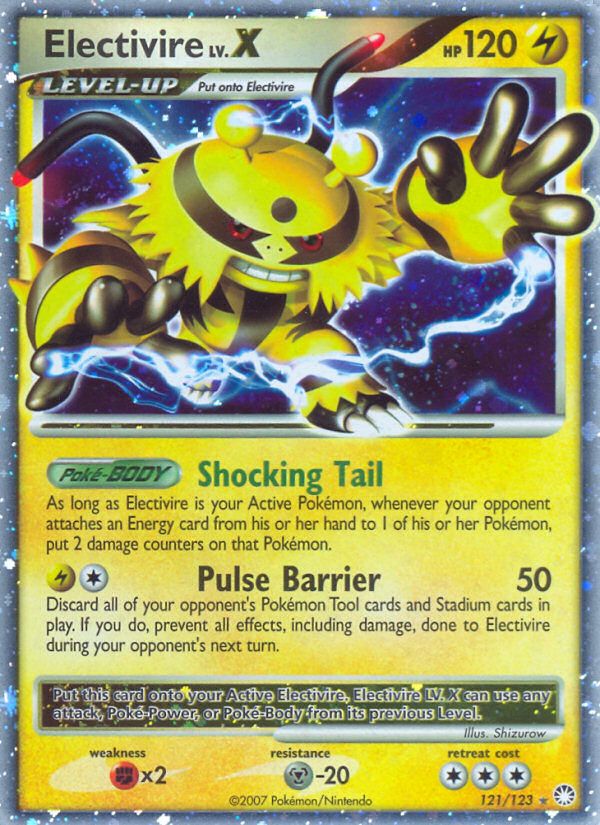
Best Graded Electivire Cards: Collector & Investor Guide
Electivire holds a unique place for collectors because it arrived during the Diamond & Pearl era as one of the headline cross-generation evolutions, giving classic Electabuzz fans a more powerful final form to chase.
Best Graded Buizel Cards: Collector & Investor Guide
Buizel is one of the most recognizable Water-type Pokémon introduced in the Diamond & Pearl era, and its cards appeal to collectors who enjoy Sinnoh nostalgia, cheerful artwork, and affordable character-focused runs.