
Rampardos
Best Graded Rampardos Cards: Collector & Investor Guide
By Kyle Eggleston · Published May 13, 2026
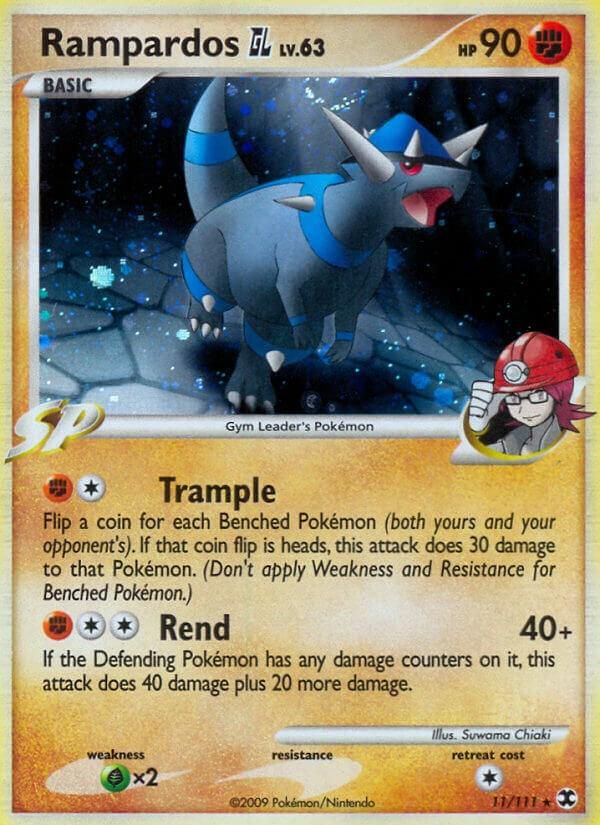
Rampardos has always occupied an interesting niche in the Pokémon TCG. It is not a mascot-level species, but collectors who appreciate Diamond & Pearl-era cards, Fossil Pokémon, and aggressive Stage 2 attackers consistently come back to it. Its early English releases, Japanese DP/Pt printings, and later support appearances give it a surprisingly collectible card trail. For slab collectors, graded Rampardos cards matter because condition sensitivity is real across holofoil DP-era stock, Lv.X surfaces, and lower-pop Japanese releases. PSA, BGS, and CGC slabs make it much easier to compare eye appeal, verify authenticity, and track actual market movement over time, especially when raw copies vary so much in centering and foil wear.
Why Rampardos Cards Are Worth Collecting
Rampardos cards appeal to a specific kind of collector: people who enjoy the Diamond & Pearl and Platinum era, strong Stage 2 artwork, and underappreciated species with competitive history. While Rampardos never reached Charizard-level demand, it developed a loyal following thanks to its hard-hitting game mechanics and memorable fossil-themed identity tied to Cranidos.
From a collector standpoint, the best Rampardos cards sit right in the sweet spot between nostalgia and scarcity. Early English holofoils, the coveted Lv.X release, and Japanese DP/Pt-era cards can be meaningfully tougher in high grade than many buyers expect. That makes graded examples especially attractive for set builders and species collectors.
What Makes a Graded Rampardos Card Valuable?
- Grade (PSA 10 commands highest premiums)
- Set and era (Diamond & Pearl and Platinum cards remain the key collector window)
- Rarity and print run
- Population report scarcity
- Recent sold comps on eBay
- Japanese vs English versions
- PSA 10 vs raw comparison
Collectors should pay especially close attention to holo scratching, edge whitening, print lines, and centering on DP/Pt-era cards. Rampardos Lv.X is the headline piece for many species collectors, but lower-profile Japanese and non-holo releases can also be surprisingly elusive in gem mint condition. For buyers who want the cleanest registry-caliber examples, slabbed copies remove much of the uncertainty.
The Best Graded Rampardos Cards to Collect
1. Rampardos Lv.X. Platinum Rising Rivals 103/111
This is the signature Rampardos card for most advanced collectors. As a Lv.X from the Platinum era, it combines the strongest visual identity with the kind of scarcity and condition sensitivity that makes high-grade examples stand out in any species collection.
English copies are the default target for many PSA collectors, but they can show edge wear and holo issues that make PSA 10s much tougher than raw listings suggest. If you want the definitive graded Rampardos card, this is the first slab to chase.
2. Rampardos. Diamond & Pearl 10/130
Rampardos made an early English impact in the original Diamond & Pearl set, and this holo remains one of the most nostalgic options for collectors who entered during the 2007 era. It is one of the foundational Rampardos cards and a natural pickup for anyone building a species run.
Because this card sits in an early D&P main set, it benefits from broad era nostalgia. Gem mint copies are worth watching closely for silvering, holo scratches, and back-edge wear.
3. Rampardos. Mysterious Treasures 17/123
Mysterious Treasures is a well-liked D&P expansion, and this holo Rampardos is a strong second-wave collectible from that era. It is not as famous as the Lv.X, but it is exactly the kind of card longtime collectors enjoy finding in top condition.
For buyers, this is a good card to compare raw versus graded on a case-by-case basis. English demand is usually stronger, but high-grade examples can be harder to source than expected.
4. Rampardos. Secret Wonders 21/132
Secret Wonders produced another memorable English Rampardos holo, giving species collectors a nice trio of distinct D&P-era artworks across the main blocks. This card helps tell the broader story of Rampardos as a recurring Stage 2 threat during the late 2000s.
In slabs, eye appeal matters a lot here. Clean holofoil and strong centering can separate premium copies from average ones, even before factoring in the numeric grade.
5. Rampardos. Arceus 27/99
The Arceus expansion is a favorite among many Platinum-era collectors, and Rampardos 27/99 is a key species pickup from that set. While it lacks the headline power of a Lv.X, it fits perfectly into a focused graded Rampardos lineup.
This card is often collected as part of broader Arceus-era master sets, which helps support long-term collector demand. Well-centered PSA 10 examples can be especially appealing because many surviving copies were handled by players.
6. Rampardos GL. Platinum Rising Rivals 31/111
Rampardos GL is a fun and era-specific card tied to the Gym Leader-themed GL concept in Rising Rivals. It gives Rampardos collectors a more specialized Platinum-era target and broadens the species checklist beyond standard Stage 2 holo cards.
Because it comes from the same set as Rampardos Lv.X, it is a smart companion slab for collectors building a mini Rising Rivals subset. Japanese and English buyers both tend to appreciate the set context here.
7. Rampardos C. Platinum Supreme Victors 45/147
Rampardos C reflects the Platinum-era Trainer-owned card style that remains popular with collectors today. It is not the flashiest Rampardos card, but it has strong set identity and works well in graded collections focused on Cyrus and the Galactic cards.
This is the kind of slab species collectors often add after acquiring the obvious headline pieces. In PSA 10, it offers cleaner, more affordable Platinum-era depth than many holo chases.
8. Rampardos. Japanese Intense Fight in the Destroyed Sky 050/092
This Japanese release is a compelling pickup for collectors who want a Rampardos card outside the standard English checklist. Intense Fight in the Destroyed Sky is a respected DP-era set, and Japanese holos from this period can be excellent value compared with English equivalents.
Japanese copies often present better overall print quality, but gem mint grading still requires close inspection for surface and corner issues. For bilingual species collectors, this is one of the most interesting alternate-era additions.
9. Rampardos. Japanese Dawn Dash 049/092
Dawn Dash is one of the key Japanese DP expansions, and Rampardos 049/092 gives collectors an early Japanese counterpart to the Pokémon's formative English-era cards. It is a strong choice for anyone building a transatlantic Rampardos run with both Japanese and English slabs.
These Japanese DP cards can fly under the radar, which sometimes creates good buying windows. For long-term collectors, that lower visibility can be an opportunity rather than a drawback.
10. Rampardos. Japanese Bonds to the End of Time 038/090
Bonds to the End of Time is a notable Japanese Platinum-era release, and Rampardos 038/090 is a smart final inclusion for collectors who want a broader historical spread. It connects Rampardos to one of the more collected Japanese late-DP/Pt expansions.
Compared with the Lv.X, this is a more understated target, but it can still be quite appealing in top grade. If you enjoy niche Japanese species collecting, this is a worthy slab to watch.
Vintage vs Modern Rampardos Cards
Rampardos is really a Diamond & Pearl and Platinum-era collectible rather than a modern ultra-rare chase Pokémon. Its earliest appearances carry more nostalgia and species significance than later releases, which makes them stronger long-term collector pieces in many cases. Modern collectors may prefer cleaner print quality and easier gem rates, but for investment-minded buyers, the original D&P and Pt-era slabs usually have the better mix of scarcity, recognition, and historical importance.
How to Track Rampardos Card Prices
Use eBay sold listings, PriceCharting, and PSA pop reports to gauge value. Slabfolio lets you look up graded card prices, upload your slab, and track your portfolio in one place.
FAQ
What is the rarest Rampardos card?
For most mainstream collectors, Rampardos Lv.X from Platinum Rising Rivals is the key chase and usually the toughest high-profile English Rampardos slab to source in top grade. Certain Japanese DP/Pt releases may be lower population in PSA 10, but they are also traded less frequently.
Is PSA 10 Rampardos worth buying?
Yes, if you are focusing on species collecting, DP/Pt nostalgia, or low-pop Stage 2 slabs. PSA 10 copies can command a major premium over raw cards, but they also provide stronger liquidity and easier condition confidence.
How do I find Rampardos card prices?
Check eBay sold listings first, then compare with PriceCharting and PSA population data to understand demand and scarcity. Slabfolio is useful for tracking graded card prices and organizing your Rampardos collection over time.
Prices as of Oct 21, 2026
- 1
Rampardos Lv.X PSA 10
Platinum Rising Rivals · 2009 · 103/111
Rampardos Lv.X is the flagship Rampardos card and the most important slab for many species collectors. Released in Platinum Rising Rivals, it captures the late-DP era when Lv.X cards drove premium collector attention.
Prioritize clean holo surfaces and strong centering, because PSA 10 examples are far scarcer than raw listings imply.
Estimated value: $10.44
- 2
Rampardos PSA 10
Diamond & Pearl · 2007 · 10/130
This is one of Rampardos's earliest English cards and a cornerstone for Diamond & Pearl set collectors. Its role as a main-set holo gives it lasting nostalgia and broad species-collection appeal.
Watch for holo scratching and back whitening, which often keep early DP holos out of gem mint grades.
- 3
Rampardos PSA 10
Mysterious Treasures · 2007 · 17/123
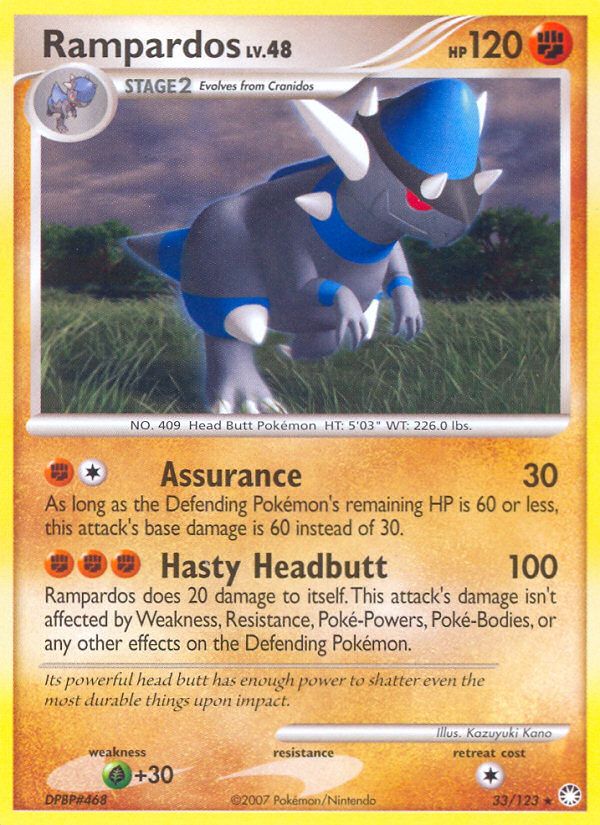
Rampardos returned as a holo in Mysterious Treasures, expanding its presence during the early DP block. It remains a favorite secondary chase for collectors who want more depth than a single marquee card.
Compare multiple slab photos if possible, since foil wear is common and can affect eye appeal even in strong grades.
Estimated value: $3.35
- 4
Rampardos PSA 10
Secret Wonders · 2007 · 21/132
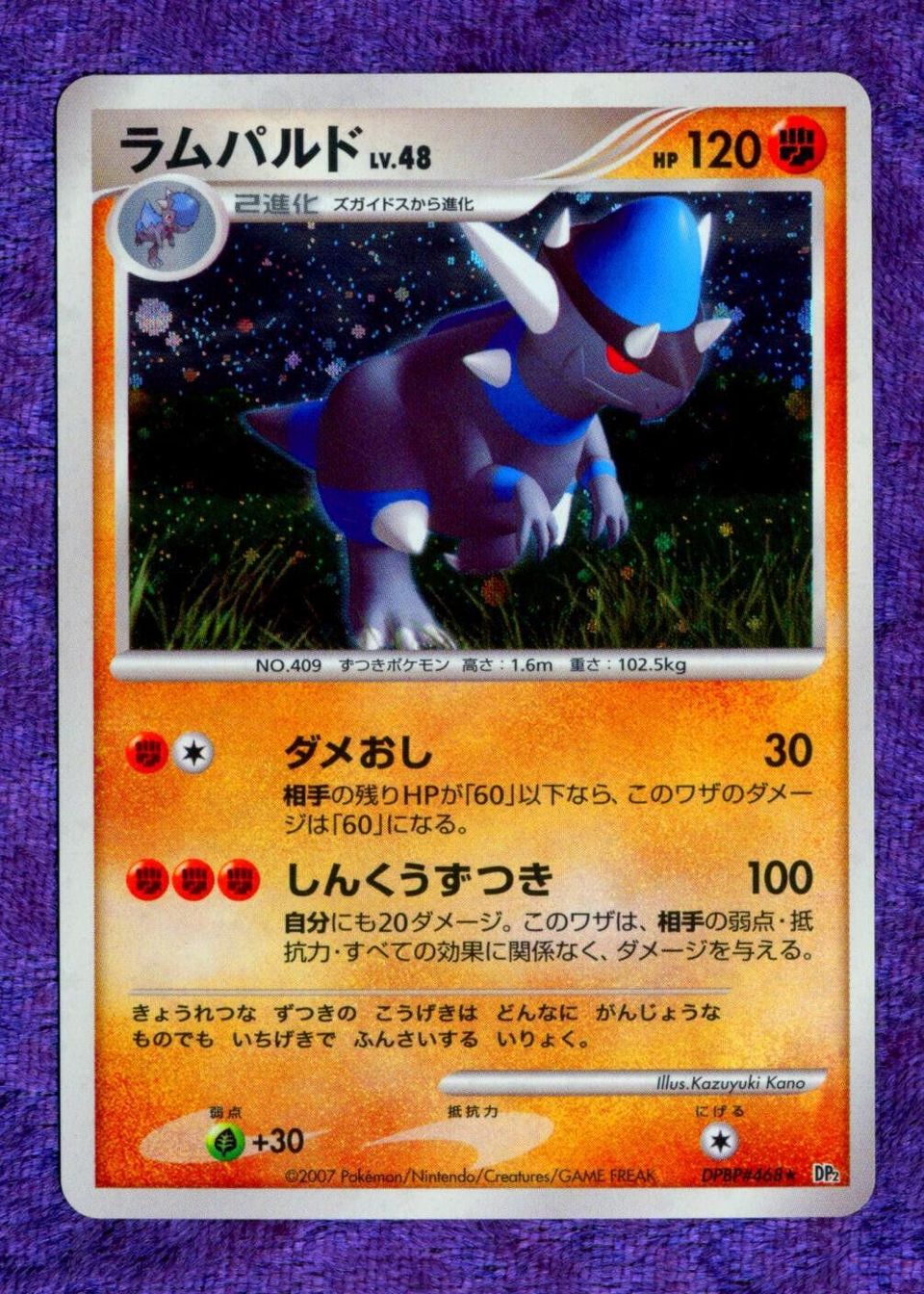
Secret Wonders added another notable English holo Rampardos during the peak of DP-era species collecting. It is a strong piece for collectors trying to assemble every major English Rampardos holo.
Look for examples with sharp corners and minimal silvering along the front edges.
Estimated value: $4.29
- 5
Rampardos PSA 10
Arceus · 2009 · 27/99
The Arceus expansion is closely associated with the end of the Platinum era, and Rampardos 27/99 is an important species entry from that set. It gives collectors a later-era English option with solid set identity.
This is a good card to target in PSA 10 when you want Platinum-era depth without paying Lv.X-level premiums.
- 6
Rampardos GL PSA 10
Platinum Rising Rivals · 2009 · 31/111
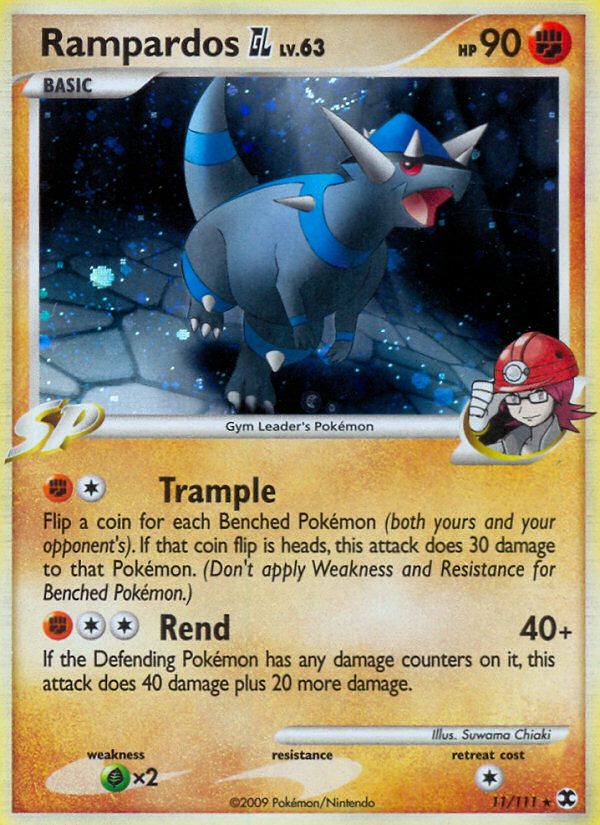
Rampardos GL stands out because it belongs to the Gym Leader-themed lineup that defines Rising Rivals. It is a natural companion to Rampardos Lv.X for collectors who want a more complete set-based story.
Pairing this with the Lv.X from the same set makes for a strong two-card Rising Rivals display.
Estimated value: $10.44
- 7
Rampardos C PSA 10
Platinum Supreme Victors · 2009 · 45/147
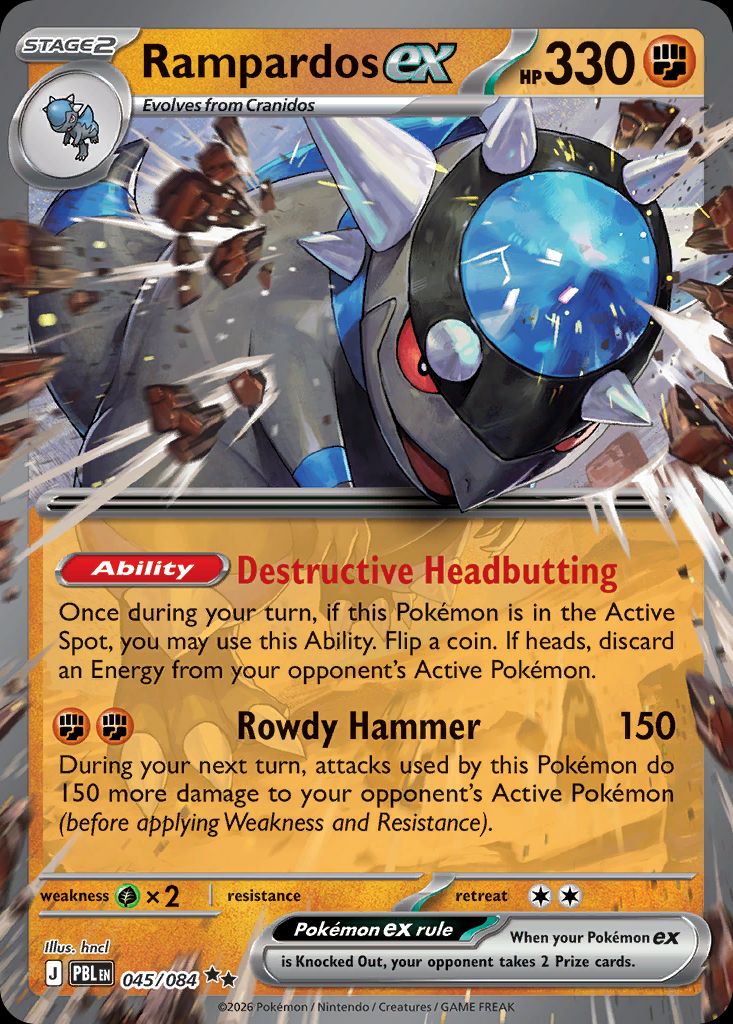
Rampardos C brings the Pokémon SP style into Rampardos collecting, linking the species to one of the most distinctive competitive and visual eras in the TCG. Supreme Victors remains a respected Platinum set among advanced collectors.
This is often an affordable PSA 10 target for species collectors looking to add more Platinum-era variety.
Estimated value: $8.9
- 8
Rampardos PSA 10
Intense Fight in the Destroyed Sky · 2008 · 050/092
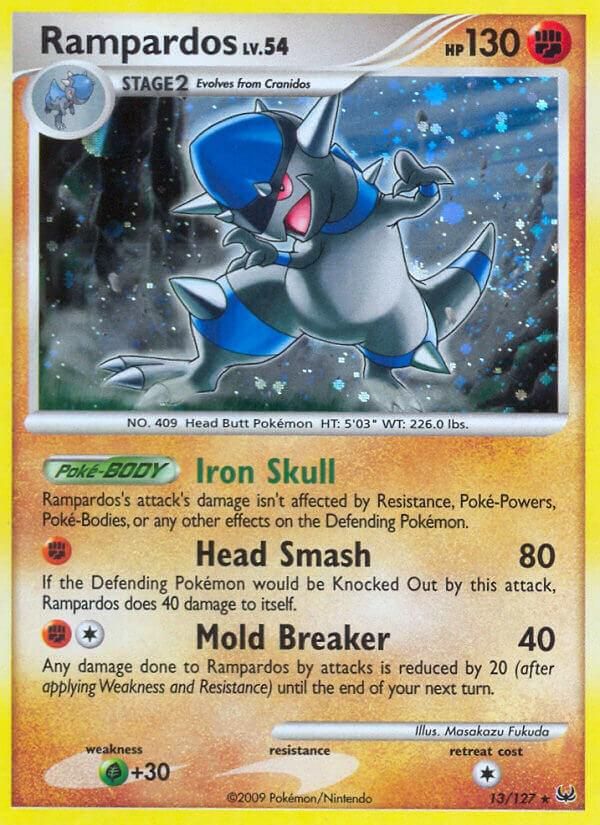
This Japanese DP-era holo gives Rampardos collectors access to a less common regional release with strong artwork and period authenticity. Japanese species collectors often value these lower-visibility set cards for their scarcity and cleaner print quality.
Japanese DP holos can be excellent value in high grade, especially when English equivalents become harder to source cleanly.
Estimated value: $8.9
- 9
Rampardos PSA 10
Dawn Dash · 2006 · 049/092
Dawn Dash is one of the earliest Japanese DP expansions and an important anchor point for Rampardos collecting in Japan. This card is especially appealing to collectors building a species run across both languages.
If you collect by era, this is one of the best Japanese counterparts to Rampardos's earliest English appearances.
- 10
Rampardos PSA 10
Bonds to the End of Time · 2009 · 038/090
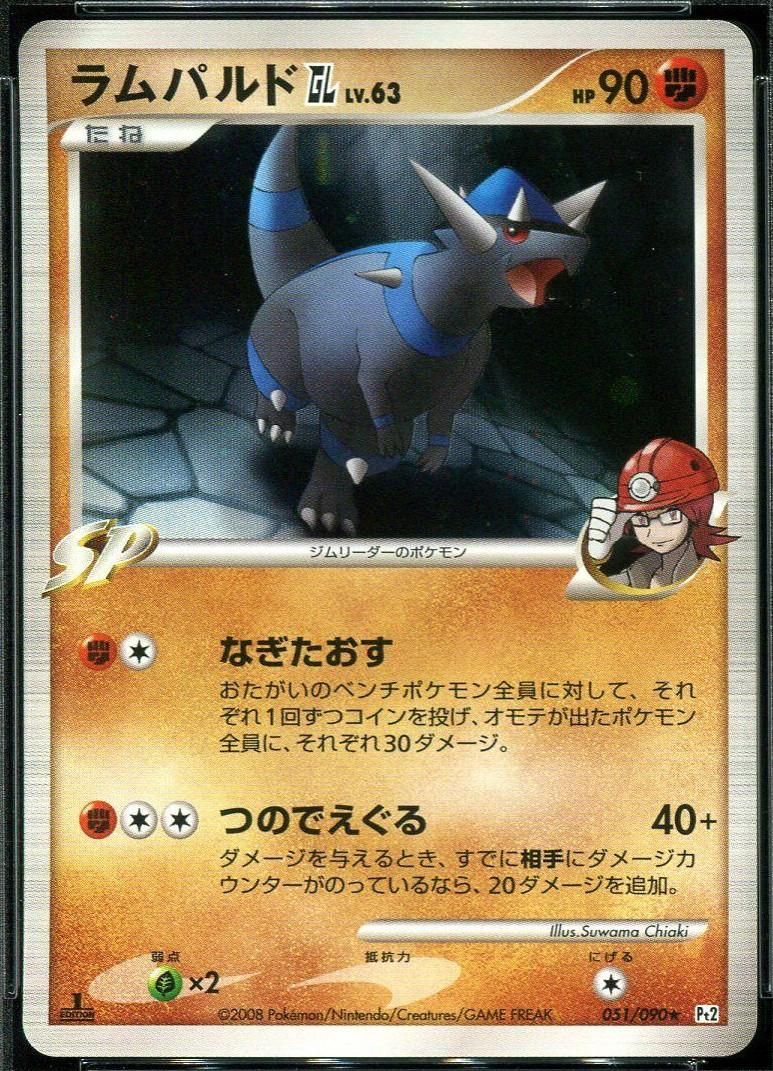
Bonds to the End of Time is a notable late-era Japanese DP/Pt release, and this Rampardos adds another collectible checkpoint for species specialists. It is not as famous as the Lv.X, but it deepens a serious graded Rampardos collection.
This is a strong niche pickup for collectors who want Japanese set depth beyond the most obvious English chase cards.
Estimated value: $5.68
Frequently asked questions
What is the rarest Rampardos card?
For most mainstream collectors, Rampardos Lv.X from Platinum Rising Rivals is the key chase and usually the toughest high-profile English Rampardos slab to source in top grade. Certain Japanese DP/Pt releases may be lower population in PSA 10, but they are also traded less frequently.
Is PSA 10 Rampardos worth buying?
Yes, if you are focusing on species collecting, DP/Pt nostalgia, or low-pop Stage 2 slabs. PSA 10 copies can command a major premium over raw cards, but they also provide stronger liquidity and easier condition confidence.
How do I find Rampardos card prices?
Check eBay sold listings first, then compare with PriceCharting and PSA population data to understand demand and scarcity. Slabfolio is useful for tracking graded card prices and organizing your Rampardos collection over time.
Whether you're building your first graded Rampardos collection or managing a larger Pokémon card portfolio, tracking real market movement matters. Slabfolio helps collectors organize slabs, monitor values, and follow graded card price changes over time.
Related guides
Best Graded Drifloon Cards: Collector & Investor Guide
Drifloon is one of those Sinnoh-era Pokémon that has built a quiet but loyal collector base.
Best Graded Cranidos Cards: Collector & Investor Guide
Cranidos is a niche favorite from the Sinnoh era, and that gives it a very specific kind of collector appeal.
Best Graded Shinx Cards: Collector & Investor Guide
Shinx is one of the defining Electric-type basics of the Diamond & Pearl era, and for many collectors it represents the start of the Shinx-Luxio-Luxray line that became a competitive and fan-favorite evolution family.
Best Graded Luxio Cards: Collector & Investor Guide
Luxio sits in an interesting spot for Pokémon TCG collectors.
Best Graded Floatzel Cards: Collector & Investor Guide
Floatzel has never been the most hyped Water-type in the hobby, but that is exactly why many collectors find it appealing.
Best Graded Cherrim Cards: Collector & Investor Guide
Cherrim is a niche Sinnoh-era Pokémon, but that is exactly what gives it collector appeal.